

 Français
 中文简体
中文简体 Español
Outboard Motor Pistons Manufacturer: The Backbone of Marine Engine Performance
Author: Zhengji
Date: Aug 14, 2026
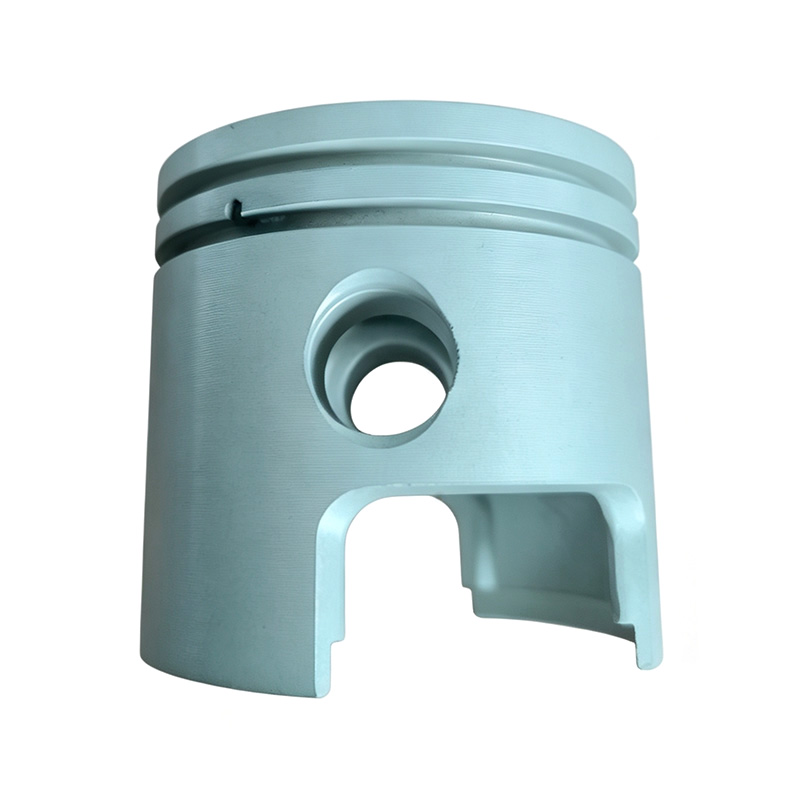
Marine engines run hard. They sit at high RPMs for hours, deal with saltwater corrosion, and work under constant load. The piston inside that outboard motor takes the worst of it—combustion pressure, heat, friction, and the repeated stress of thousands of cycles per minute. An outboard motor pistons manufacturer builds these components to handle all of that. The piston has to be strong, lightweight, and resistant to both wear and corrosion. Get it right, and the engine performs. Get it wrong, and the engine fails at sea.
What Marine Pistons Have to Withstand
The constant high-RPM operation
Outboard motors run at high speeds for extended periods. The piston in a marine engine cycles faster and more continuously than an automotive piston. An outboard motor pistons manufacturer uses lightweight alloys that can handle the speed without sacrificing strength.
Saltwater corrosion is a constant threat
Saltwater gets into everything. The piston is exposed to moisture and salt through the intake and exhaust. An outboard motor pistons manufacturer uses alloys with low copper content to resist corrosion. Some pistons are anodized or coated for extra protection.
Heat and pressure take their toll
Combustion temperatures are high, and the pressure on the piston crown is significant. An outboard motor pistons manufacturer uses materials that maintain strength at elevated temperatures. The piston has to hold its shape under load.
Alloys and Manufacturing Approaches
Why 4032 and 2618 are the common choices
Most marine pistons are made from aluminum-silicon alloys. An outboard motor pistons manufacturer selects 2618 for higher strength at elevated temperatures—that's the choice for high-performance and racing applications. 4032 offers better wear resistance and tighter clearance control, which is why it's used in standard recreational engines. Each alloy serves a different purpose.
Forging vs. casting for marine duty
Forged pistons have a grain structure that follows the shape, making them stronger under stress. Cast pistons are less expensive but don't handle bad loads as well. An outboard motor pistons manufacturer offers both options—forged for high-performance and heavy-duty applications, cast for standard recreational use.
Surface treatments that extend service life
Anodizing creates a hard, corrosion-resistant surface. Dry film lubricants reduce friction during startup. An outboard motor pistons manufacturer applies these coatings to improve durability and prevent scuffing in the cylinder bore.
Common specs for outboard motor pistons:
- Materials: 4032, 2618, other aluminum alloys
- Manufacturing: forged or cast
- Diameter: 50mm to 120mm
- Ring grooves: 2 to 3 compression, 1 oil
- Pin fit: pressed or full-floating
- Surface treatment: anodizing, dry film lubricant
Where Marine Pistons Get Used
Recreational outboard engines
Leisure boaters need engines that start every time and run reliably. An outboard motor pistons manufacturer supplies pistons that balance cost and durability for recreational use.
Commercial and workboat applications
Fishing boats and workboats run longer and harder than recreational craft. An outboard motor pistons manufacturer supplies pistons built for extended service life and heavy use.
High-performance and racing outboards
Speed demands lightweight, strong pistons. An outboard motor pistons manufacturer produces forged pistons with coatings and tight tolerances for big output.
Aftermarket replacements
Engine rebuilds need pistons that match OEM specs. An outboard motor pistons manufacturer supplies the aftermarket with direct replacements.
Selecting a Supplier
Alloy selection
The alloy has to match the engine's operating conditions. An outboard motor pistons manufacturer should recommend 2618 for high-performance applications and 4032 for standard engines.
Manufacturing capability
Forging gives you strength. Casting gives you cost savings. An outboard motor pistons manufacturer should be able to do both and explain the trade-offs.
Quality control
Ring grooves have to be cut to exact depths. Pin bores have to be round and sized correctly. An outboard motor pistons manufacturer with proper QC procedures catches defects before they leave the factory.
Outboard motor pistons are the heart of the engine. They take the pressure, the heat, and the speed. The alloy, the manufacturing process, and the surface treatment all determine how long the piston lasts. Choose a manufacturer that knows marine applications and can deliver the right combination of materials and processes. That's what separates a piston that performs from one that fails.
Related products
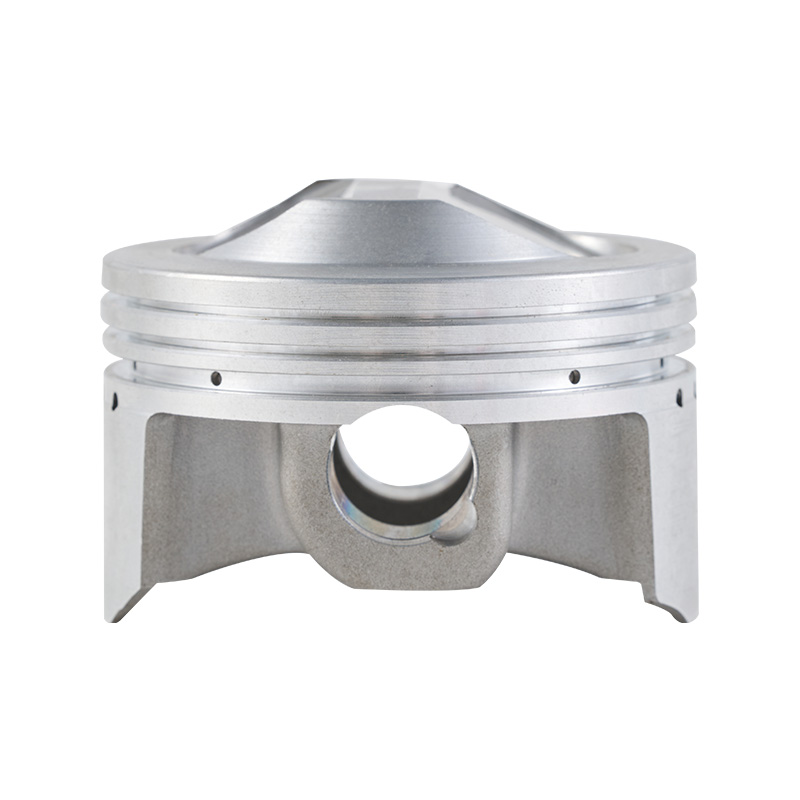
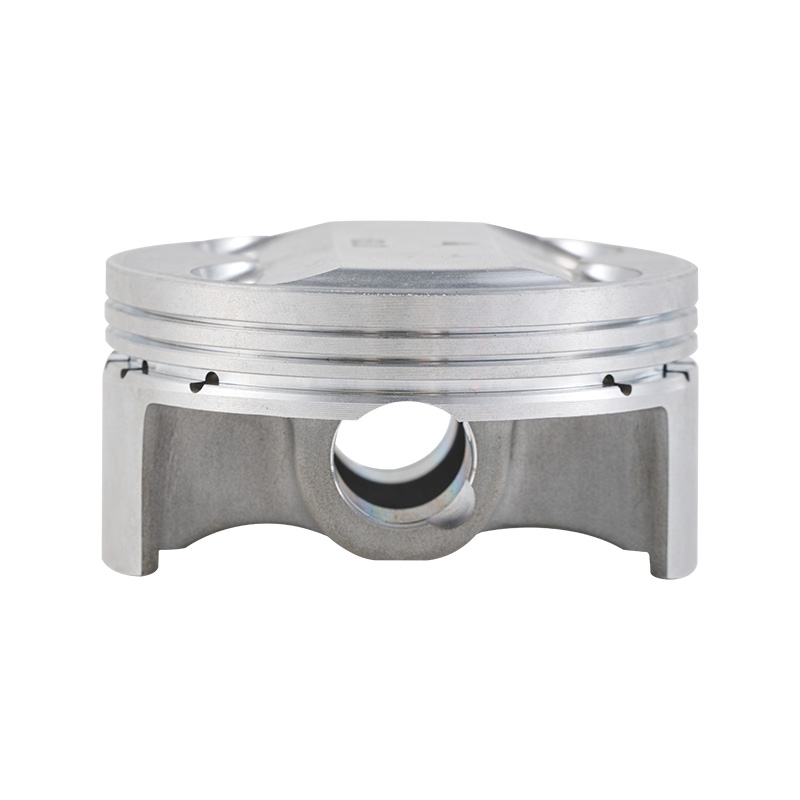
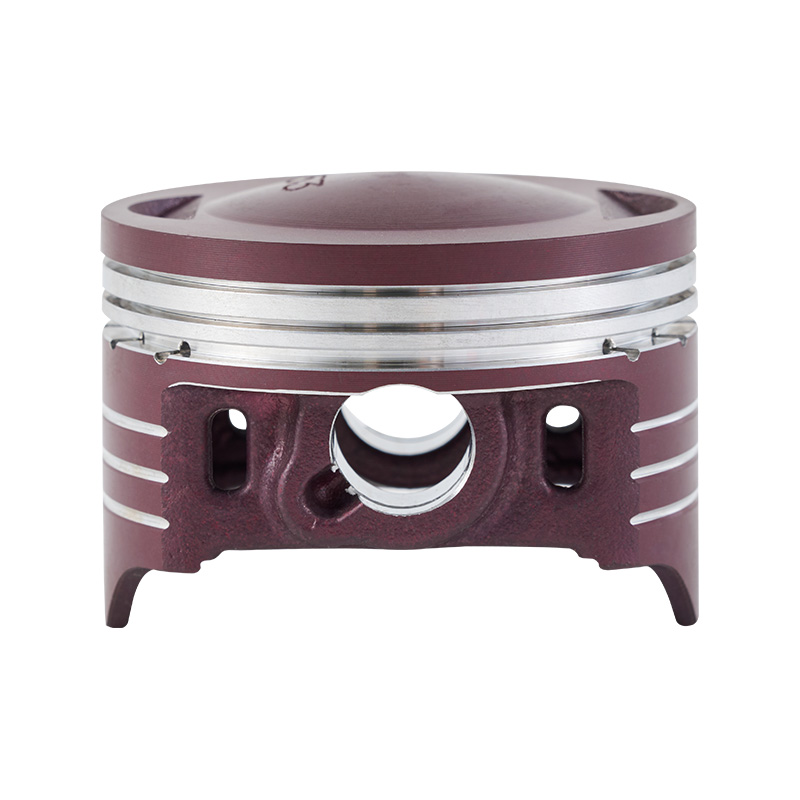
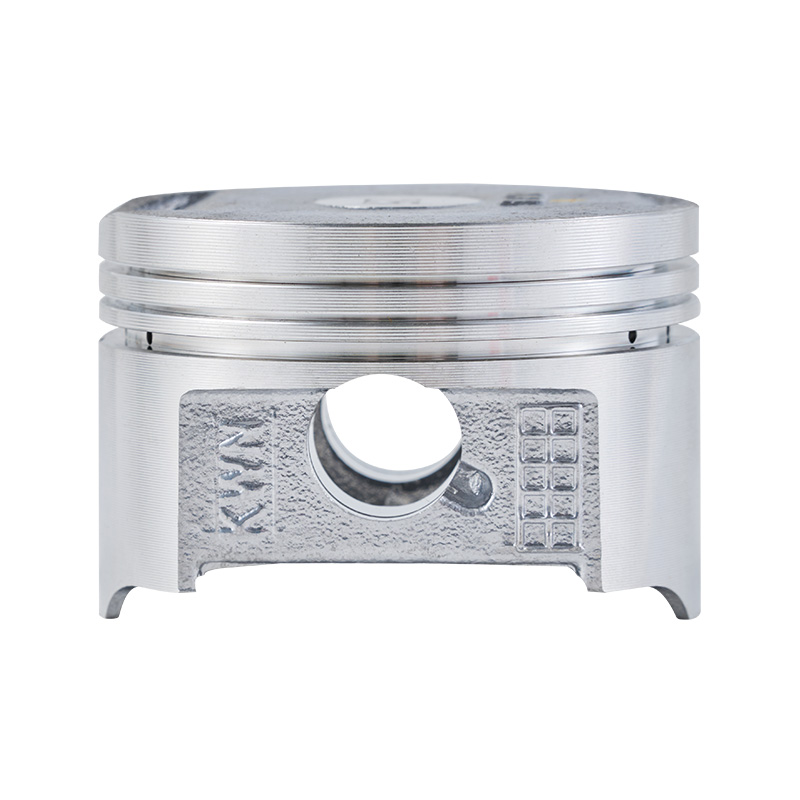
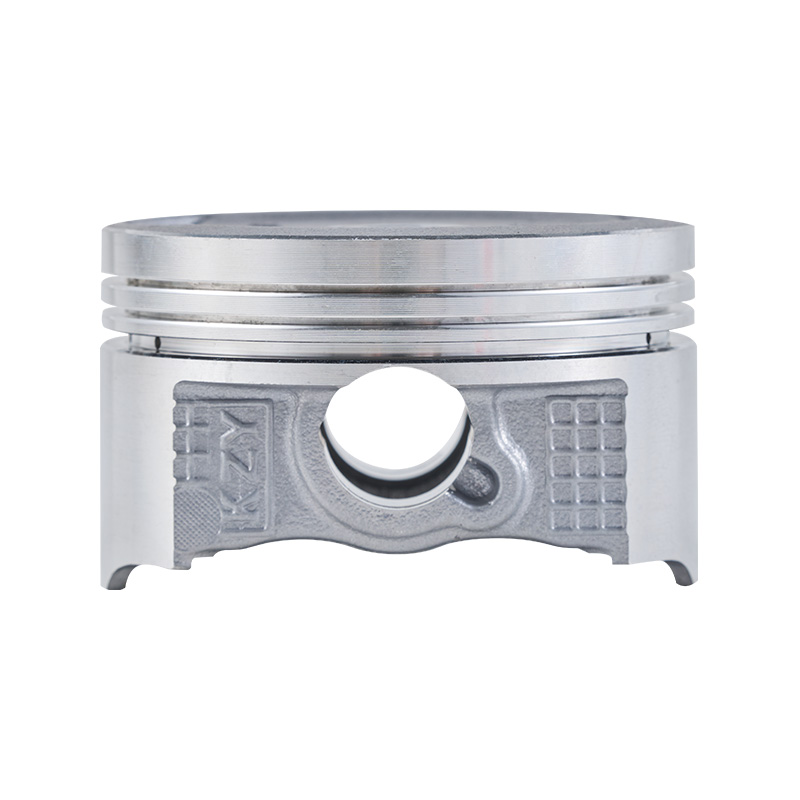
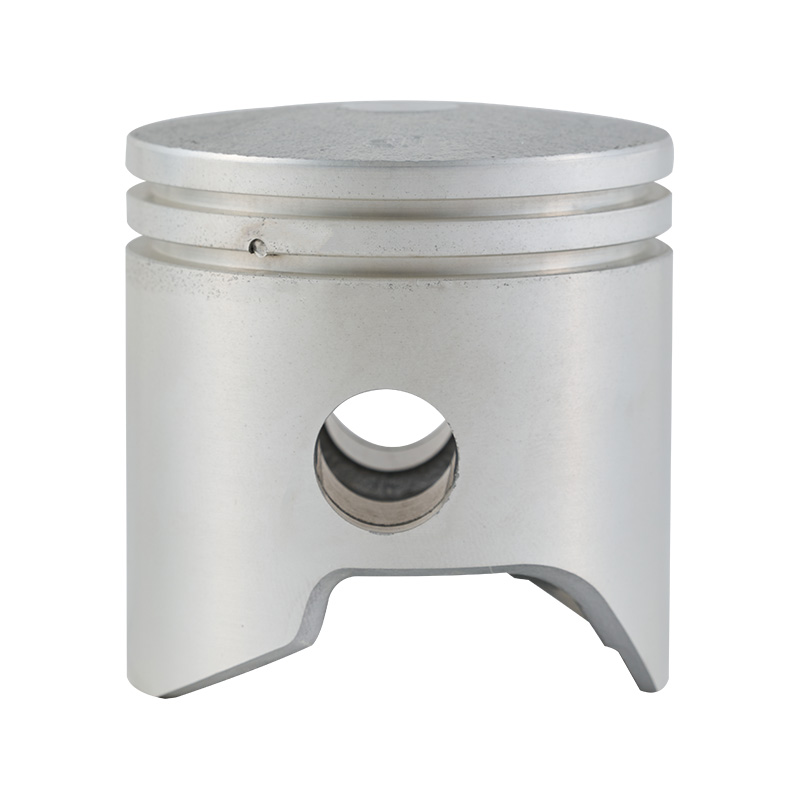

Ruian Zhengji Motorcycle Parts Co., Ltd. is a specialist piston manufacturer focused on global exports, as well as a provider of professional engine solutions. The company exports over 10 million pistons annually, offering OEM/ODM contract manufacturing and private-label services, with products covering three major sectors: automotive, motorcycles and outboard motors.
WeChat

© Ruian Zhengji Motorcycle Parts Co., Ltd.
OEM Motorcycle Parts Manufacturer
