

 Français
 中文简体
中文简体 Español
Motorcycle Pistons for Honda: The Backbone of Reliable Two-Wheeled Performance
Author: Zhengji
Date: Aug 21, 2026
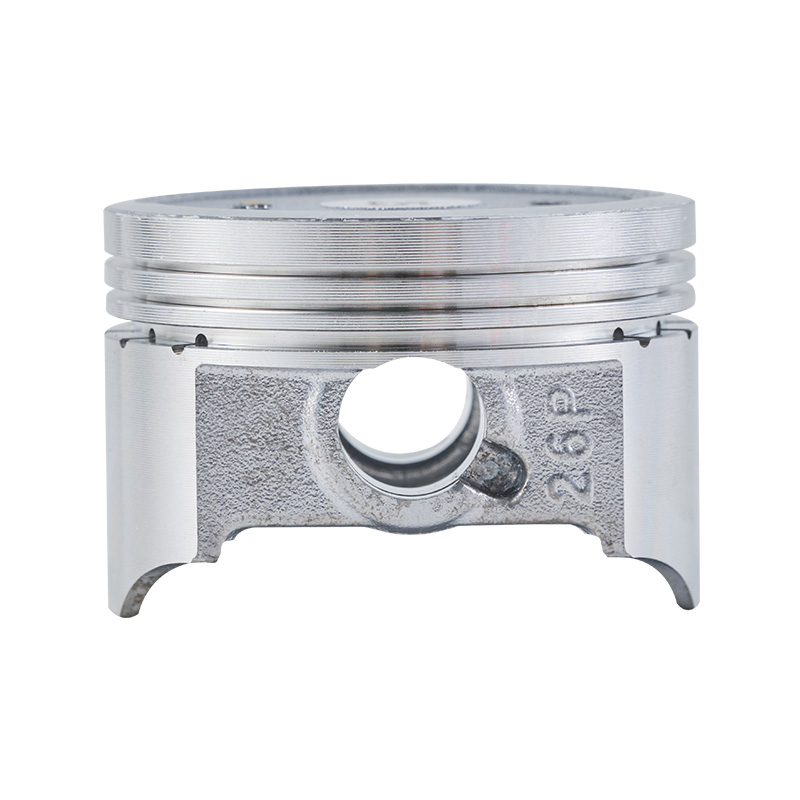
There's something about Honda motorcycles. They just keep running. Part of that reputation comes from the pistons inside the engine. Motorcycle pistons for Honda are built to handle high RPMs, heat, and constant use, all while maintaining tight clearances and reliable compression. Whether it's a CBR, a CRF, a CB series, or a Gold Wing, each engine has its own piston design. Different engines, different requirements—but all of them depend on the piston to deliver the performance Honda is known for.
The Demands on a Honda Piston
High RPMs mean the piston has to be lightweight
Honda engines rev. Some models redline above 14,000 RPM. A heavy piston at those speeds puts stress on the connecting rod and bearings. Motorcycle pistons for Honda are designed to be light enough to move fast without compromising strength. The piston stays stable in the bore even at high speeds.
Compression ratio determines the piston shape
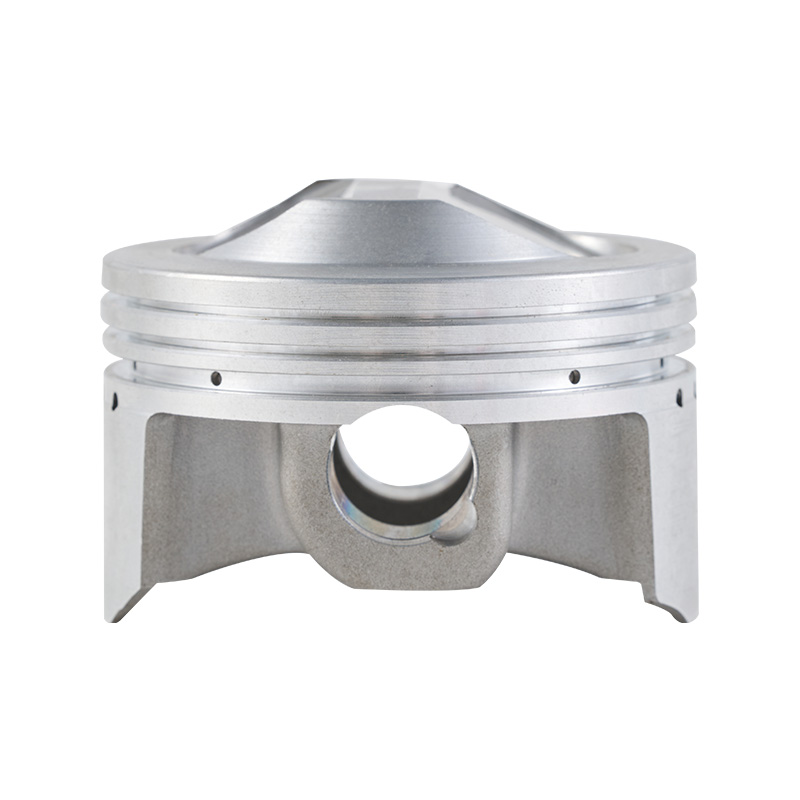
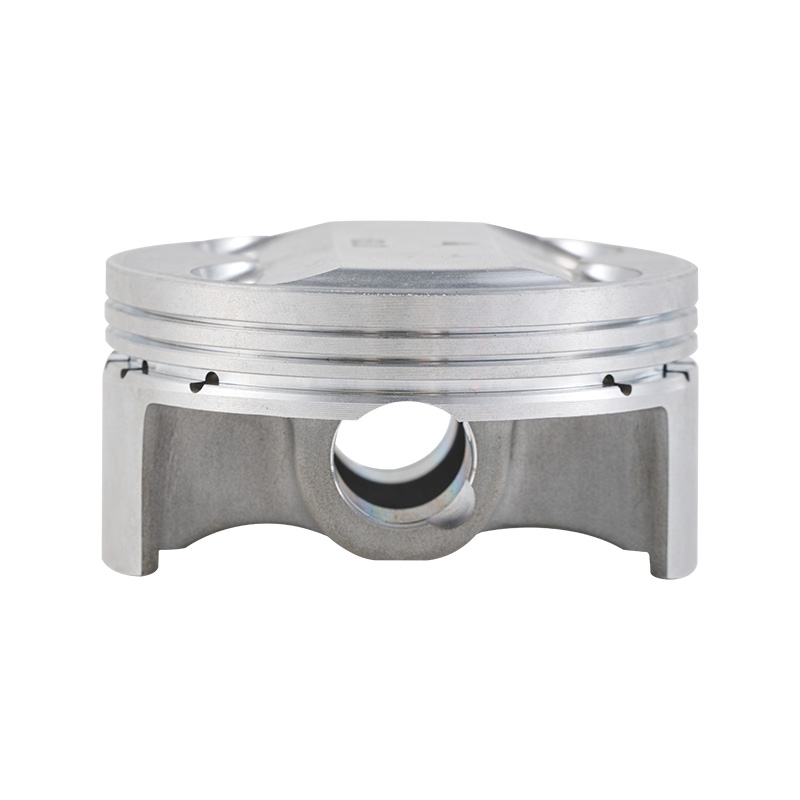
The shape of the piston crown—flat, domed, or dished—is set by the compression ratio and the combustion chamber design. Motorcycle pistons for Honda are matched to the specific chamber shape and valve angles of each engine. Get the shape wrong and you lose power or risk valve interference.
Heat management keeps the piston from failing
Pistons absorb heat from combustion and friction. If they get too hot, they expand too much, scuff the cylinder wall, or lose strength. Motorcycle pistons for Honda use alloys that maintain strength at high temperatures and expand at a controlled rate.
Materials and Manufacturing Methods
4032 and 2618 alloys serve different purposes
4032 offers good wear resistance and tighter clearance control—good for street engines that need long service life. 2618 is stronger at high temperatures and is used in high-performance or racing applications where heat is more bad. Motorcycle pistons for Honda use the alloy that matches the engine's operating conditions and power goals.
Forged pistons are stronger, cast pistons cost less
The forging process aligns the grain structure with the piston shape, making it stronger under stress. Cast pistons are less expensive but don't handle bad loads as well. Motorcycle pistons for Honda are available in both, depending on the application. For high-performance builds, forged is the choice. For a street rebuild, cast is often sufficient.
Surface coatings reduce friction and protect against wear
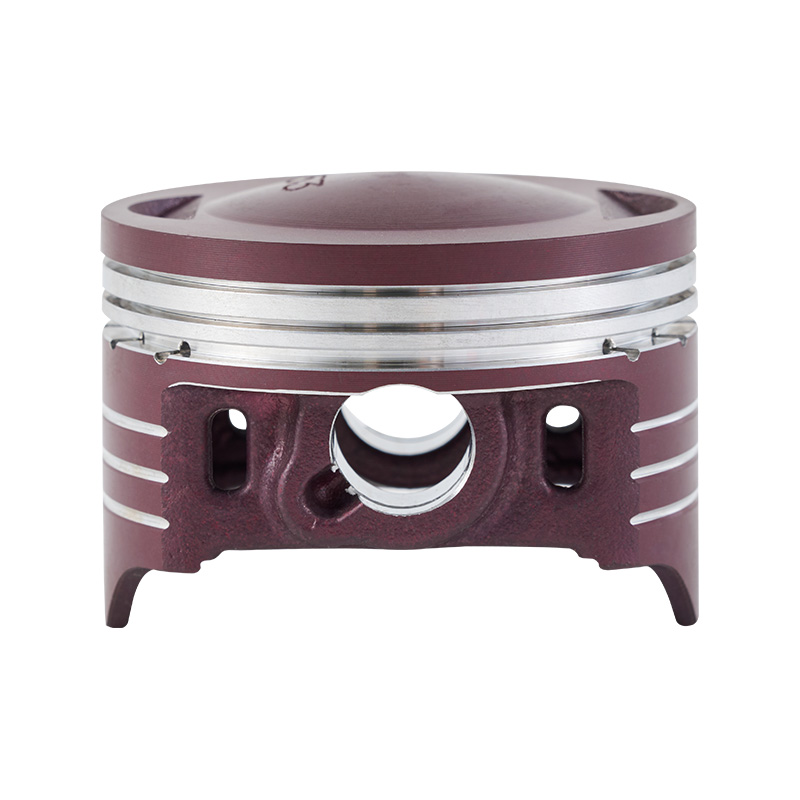
Dry film lubricants on the skirt reduce friction during startup and warm-up. Anti-friction coatings on the crown reduce carbon buildup and improve heat transfer. Motorcycle pistons for Honda often come with these coatings as standard or optional features.
Common specs for motorcycle pistons for Honda:
- Materials: 4032, 2618, custom alloys
- Manufacturing: forged or cast
- Diameter: matched to engine bore
- Compression ratio: engine-specific
- Ring configuration: 2 compression + 1 oil
- Pin fit: pressed or full-floating
How the Piston Varies Across Honda Models
CBR series sportbikes
CBR engines are built for high RPMs and quick throttle response. Motorcycle pistons for Honda CBR models are lightweight, often forged, and designed to support the high compression ratios typical of sportbike engines. They have to handle sustained high-speed operation without losing strength.
CRF series off-road and motocross
CRF engines see rough use, dirt, and dust. Motorcycle pistons for Honda CRF models are built for durability and low-end torque. The piston has to handle the abuse of off-road riding and maintain compression even under heavy load and varying conditions.
CB series street bikes
CB engines are used for commuting and everyday riding. Motorcycle pistons for Honda CB models balance performance and longevity. The piston design supports moderate compression and reliable operation over high mileage.
Gold Wing touring engines
Gold Wing engines are big, heavy, and built to run for hundreds of thousands of miles. Motorcycle pistons for Honda Gold Wing models are designed for long service life, smooth operation, and low wear at moderate RPMs. They don't rev high, but they run a long time.
Choosing a Piston Supplier
Alloy and construction method matter
The choice between 4032 and 2618 depends on how the engine is used. For street riding and everyday use, 4032 is the standard choice. For racing or high-compression builds, 2618 offers better high-temperature strength. Motorcycle pistons for Honda should match the original material specification or offer an upgrade for performance applications.
Ring groove accuracy determines compression seal
The rings have to seal properly. Motorcycle pistons for Honda with poorly machined ring grooves will leak compression and burn oil. The grooves need to be cut to exact depths and widths.
Pin fit affects noise and wear
The wrist pin has to fit correctly. Motorcycle pistons for Honda with the wrong pin fit will cause noise or premature wear. Too tight and the pin binds. Too loose and it hammers the bore.
Quality control is the difference between a rebuild and a failure
Motorcycle pistons for Honda should be inspected for dimensional accuracy and material integrity. A piston that's out of spec fails fast. A manufacturer that checks every piston catches problems before they leave the factory.
Motorcycle pistons for Honda are the reason those engines run as long as they do. The alloy, the design, the coatings—all of it matters. Whether you're rebuilding a CBR for track use, a Gold Wing for touring, or a CRF for the dirt, the piston choice determines how well the engine runs and how long it lasts. Stick with quality and pay attention to the details. That's what Honda does.
Related products
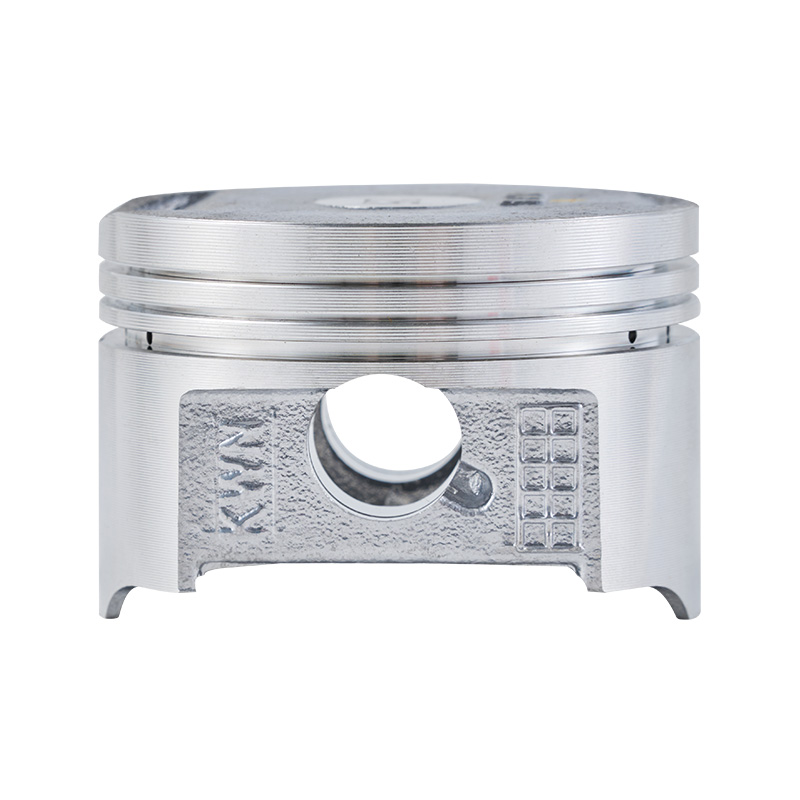
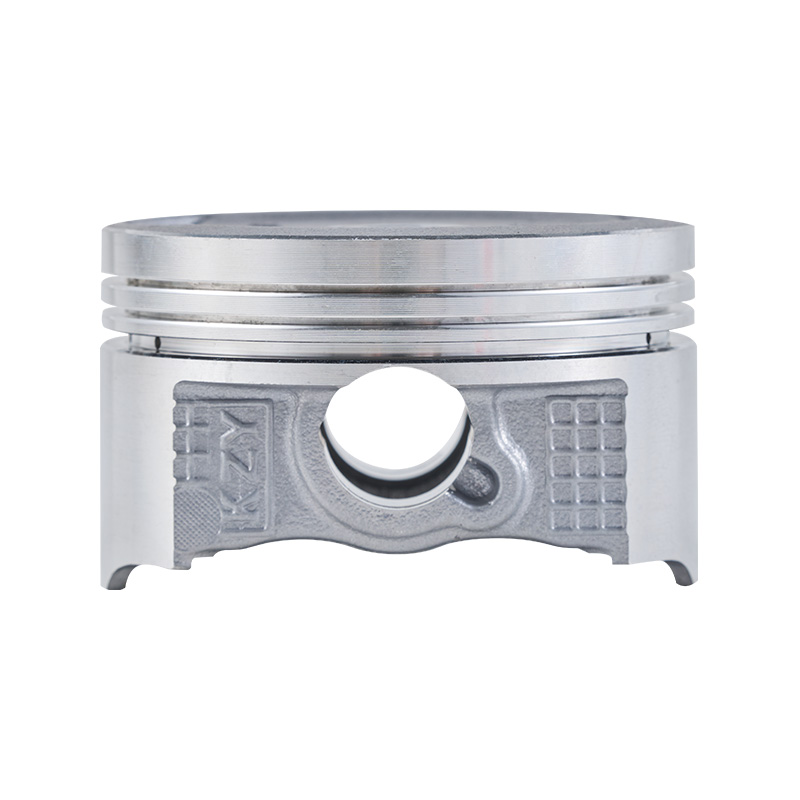
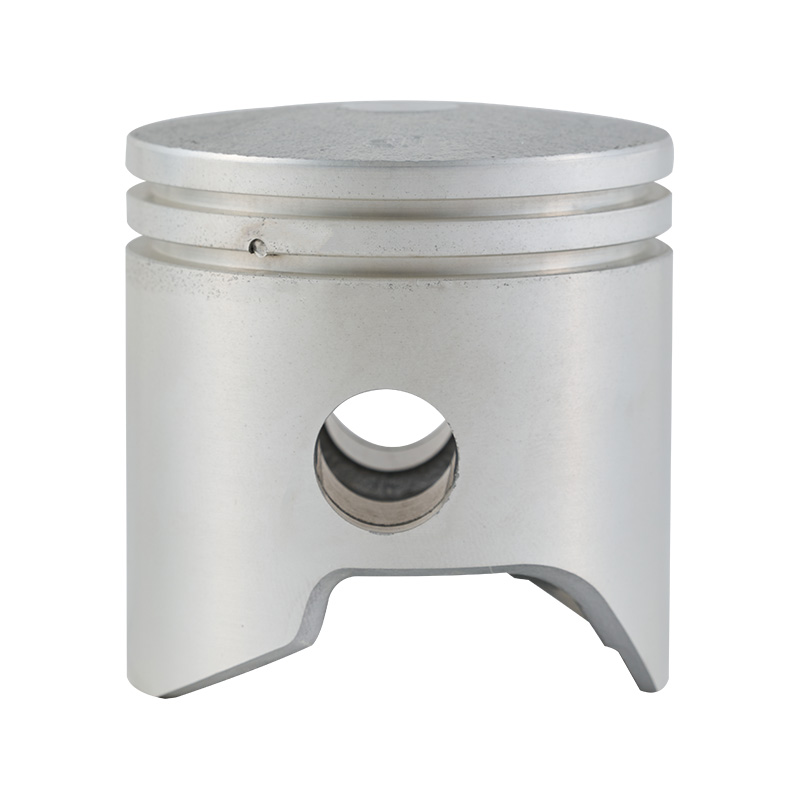

Ruian Zhengji Motorcycle Parts Co., Ltd. is a specialist piston manufacturer focused on global exports, as well as a provider of professional engine solutions. The company exports over 10 million pistons annually, offering OEM/ODM contract manufacturing and private-label services, with products covering three major sectors: automotive, motorcycles and outboard motors.
WeChat

© Ruian Zhengji Motorcycle Parts Co., Ltd.
OEM Motorcycle Parts Manufacturer
