

 Français
 中文简体
中文简体 Español
Outboard Engine Pistons: The Backbone of Marine Propulsion Reliability
Author: Zhengji
Date: Aug 28, 2026
Marine engines run under conditions that would kill a car engine. Full throttle for hours. Saltwater spray in the air. Constant load and high RPMs. Outboard engine pistons take the brunt of it. They sit inside the cylinder, converting combustion pressure into motion, cycling thousands of times a minute. The piston has to be strong enough to handle the pressure, light enough to keep up with the RPMs, and corrosion-resistant enough to survive the marine environment. Get it right, and the engine runs for years. Get it wrong, and it fails when you're miles from shore.
The Marine Environment Demands More from a Piston
High RPMs for extended periods
Outboard engines run at high speeds for hours at a time—5,000 to 6,000 RPM is common for cruising. The piston has to be light enough to move that fast without putting excessive stress on the connecting rod and bearings. At the same time, it has to be strong enough to handle the combustion pressure. Outboard engine pistons are designed to balance weight and strength.
Saltwater corrosion never stops
Salt gets into the engine through the intake, the exhaust, and the crankcase ventilation. Corrosion is a constant threat. Outboard engine pistons are made from alloys with low copper content that resist saltwater attack. Some are anodized or coated for additional protection.
Heat management under sustained load
Outboard engines pull cooling water from the ocean or lake. In tropical climates, that water is warm. The piston has to handle higher sustained temperatures without losing strength or expanding too much. The alloy has to maintain clearance even under constant heat.
Materials and Construction Methods
4032 for longevity, 2618 for heat resistance
4032 offers good wear resistance and controlled thermal expansion. It's the standard alloy for recreational outboard engines. 2618 is stronger at high temperatures and is used in high-performance or racing applications where heat is more bad. Outboard engine pistons use the alloy that matches the engine's operating conditions.
Forged vs. cast
Forged pistons are stronger because the forging process aligns the grain structure with the shape of the piston. Cast pistons cost less but aren't as strong under bad loads. Outboard engine pistons are available in both, depending on the application and budget.
Coatings that protect and reduce friction
Dry film lubricants on the skirt reduce friction during startup. Anti-friction coatings on the crown reduce carbon buildup and improve heat transfer. Outboard engine pistons often come with these coatings to extend service life.
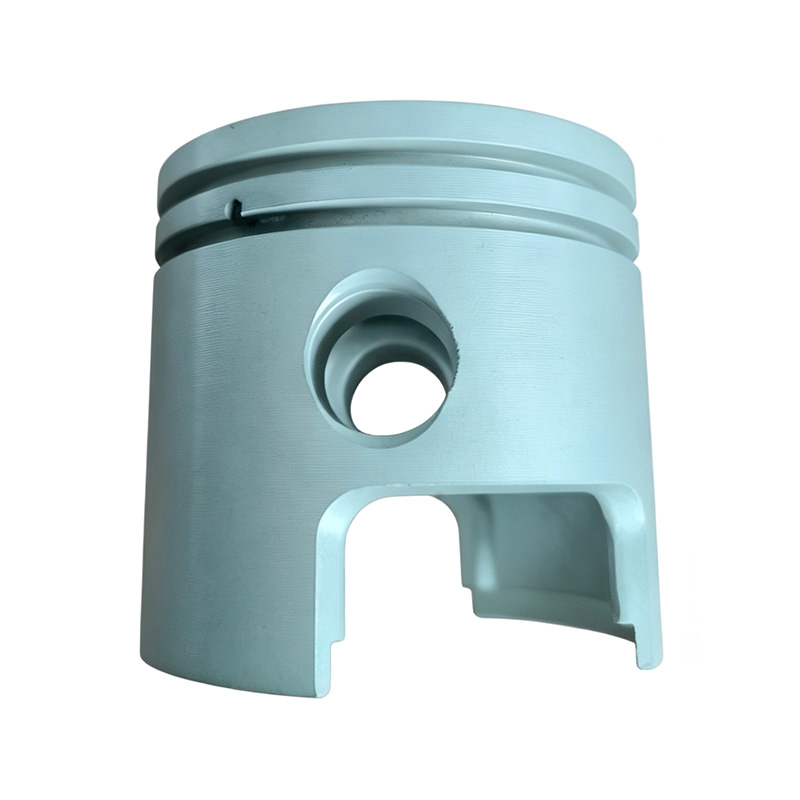
Typical specifications for outboard engine pistons:
- Materials: 4032, 2618, low-copper aluminum alloys
- Manufacturing: forged or cast
- Diameter range: 60mm to 120mm
- Ring grooves: 2 compression rings, 1 oil ring
- Pin type: pressed or full-floating
- Surface treatment: anodizing, dry film lubricant
- Compression ratio: 8.5:1 to 11.5:1
Recreational, Commercial, and Performance Uses
Recreational boating
Most outboard engines are used for recreational boating—fishing, skiing, cruising. Outboard engine pistons for these engines are built for reliability and long service life. They start every time and run all day without issues.
Commercial applications
Fishing boats and workboats run harder and longer than recreational boats. Outboard engine pistons for commercial applications are built for extended service life and heavier use.
Racing and high-performance
Racing outboards push the limits. Outboard engine pistons for racing engines are forged, coated, and balanced for big output. They handle higher compression ratios and more bad temperatures.
Aftermarket rebuilds
Engines get rebuilt. Outboard engine pistons are supplied to the aftermarket for repair and rebuild work. These pistons match OEM specifications or offer performance upgrades.
Selecting the Right Piston for the Application
Alloy selection
The alloy has to match the engine's use. 4032 is fine for recreational use. 2618 is better for high-performance or racing applications where the engine runs hotter. Outboard engine pistons should be selected based on how the engine is actually used.
Ring groove accuracy
The rings have to seal. Outboard engine pistons with poorly machined ring grooves will leak compression and burn oil. The grooves need to be cut to exact depths and widths.
Corrosion protection
Look for low-copper alloys. Outboard engine pistons with high copper content corrode faster in saltwater. Coatings like anodizing provide added protection.
Quality control
Outboard engine pistons should be inspected for dimensional accuracy and material integrity. A piston that's out of spec fails fast. A manufacturer that checks every piston catches problems before they leave the factory.
Outboard engine pistons are the heart of marine propulsion. They handle the heat, the pressure, the salt, and the sustained RPMs that would break lesser components. The alloy, the construction method, and the coatings all determine how long the piston lasts. Choose the right piston for the engine's application, and it runs for years. Choose wrong, and you're doing a rebuild. That's the reality of marine engines. The parts have to be right.
Related products
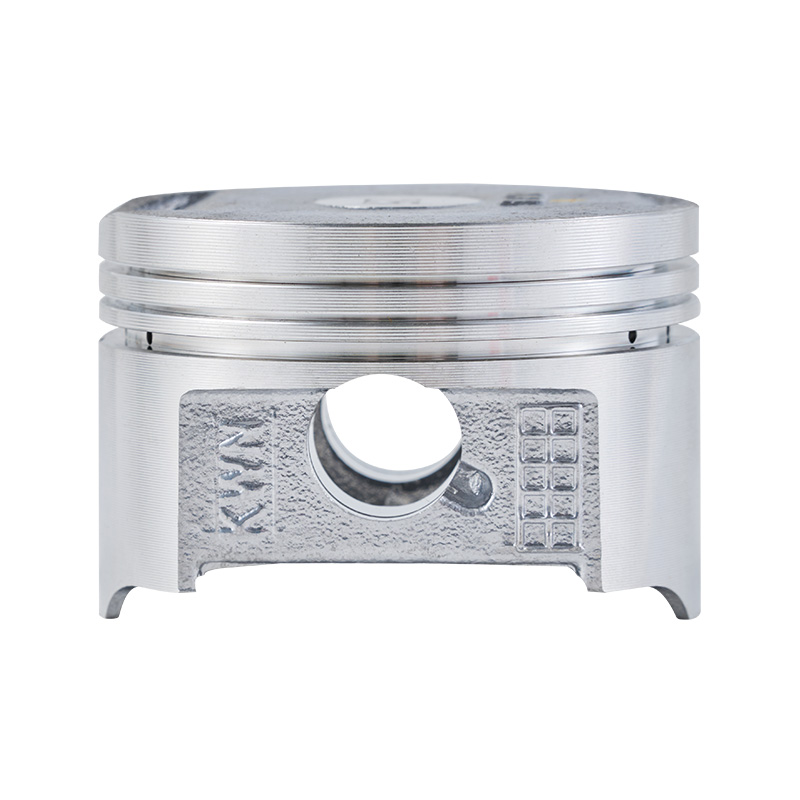
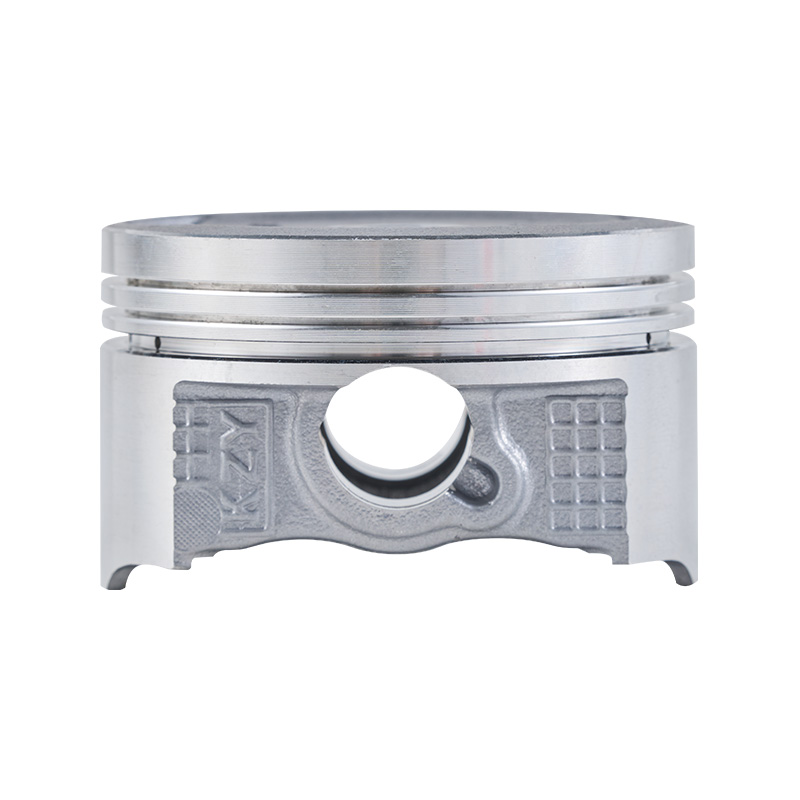
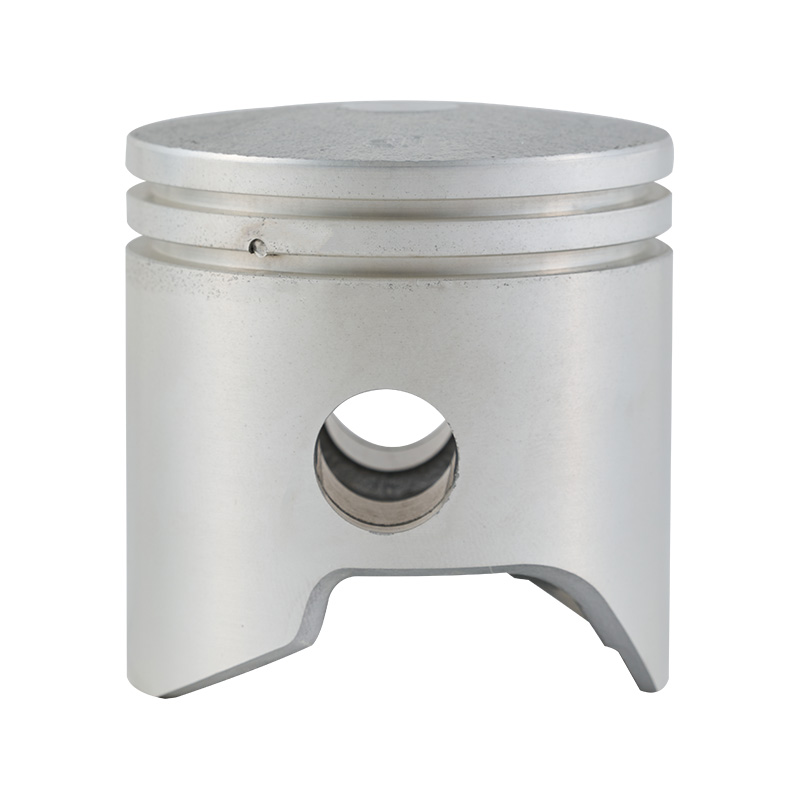

Ruian Zhengji Motorcycle Parts Co., Ltd. is a specialist piston manufacturer focused on global exports, as well as a provider of professional engine solutions. The company exports over 10 million pistons annually, offering OEM/ODM contract manufacturing and private-label services, with products covering three major sectors: automotive, motorcycles and outboard motors.
WeChat

© Ruian Zhengji Motorcycle Parts Co., Ltd.
OEM Motorcycle Parts Manufacturer
