

 Français
 中文简体
中文简体 Español
Cast Piston Modification Parts: The Upgrades That Make Engines Behave Differently
Author: Zhengji
Date: Sep 04, 2026
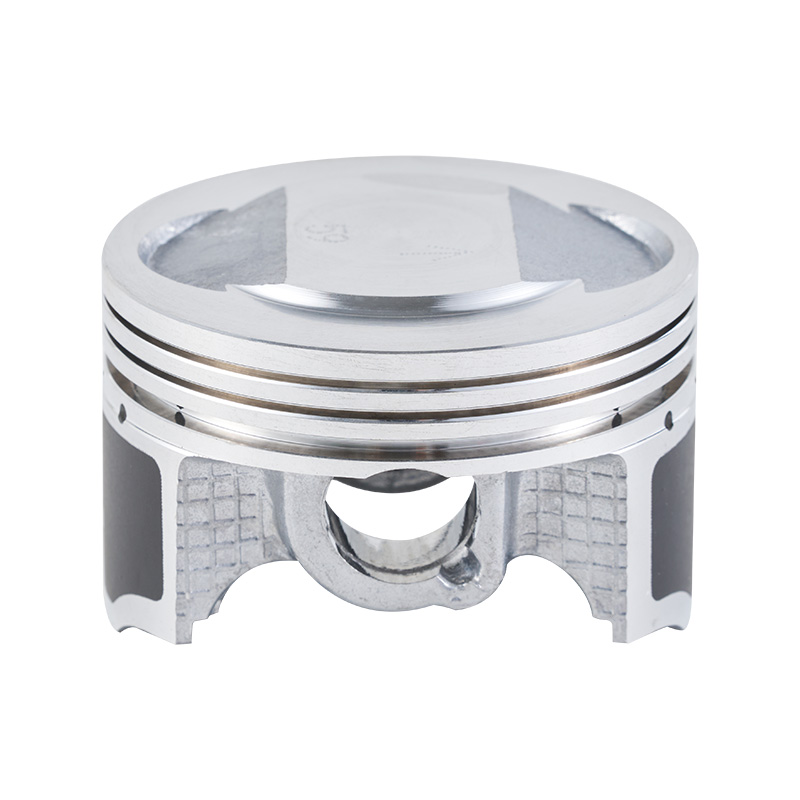
Look inside any performance engine build—race car, off-road truck, or custom motorcycle. The pistons aren't factory stock. They've been modified. Thinner rings, deeper valve pockets, coated skirts. These aren't off-the-shelf replacements; they're specific cast piston modification parts, made to change how the piston behaves. Behind every set stands a cast piston modification parts factory, a machine shop that takes raw castings and adds the features that builders demand.
What Cast Piston Modification Parts Actually Are
They're cast piston blanks that have been machined further
A raw cast piston comes out of the mold with extra material in certain areas. The factory then removes material where it's not needed and adds features where it is—valve reliefs, ring grooves, oil return holes. A cast piston modification parts factory starts with a casting meant for a specific engine family and machines it to match the builder's specifications.
They're not custom forgings
Forged pistons start as a solid billet and get machined from scratch. Modified cast pistons start as a casting—already near net shape—and get targeted machining. They're less expensive than full customs but more tailored than standard replacements. A cast piston modification parts factory does this work in volume, saving builders the cost of a full custom forging.
They change how the piston fits and functions
Modifications adjust compression ratio, valve clearance, ring package, and weight. A cast piston modification parts factory can lower compression by cutting a dish, raise it by reducing the dome, or add valve reliefs for high-lift cams.
Common Modifications Done to Cast Pistons
Valve reliefs cut into the piston crown
High-lift cams or oversized valves need clearance. Without it, the valve hits the piston. A cast piston modification parts factory uses CNC mills to cut precise pockets at the right angle and depth.
Ring grooves widened or repositioned
Different ring packs require different groove widths. A cast piston modification parts factory can open up standard grooves for thicker racing rings or reduce them for low-tension rings.
Compression ratio altered
Dishing the crown lowers compression. Milling the deck or adding dome raises it. A cast piston modification parts factory controls the metal removal to hit the target compression within a few tenths.
Skirt coating applied
Anti-friction coatings reduce scuffing during cold starts. A cast piston modification parts factory applies dry-film lubricants like molybdenum or graphite to the piston skirts.
Wrist pin holes bushed or offset
Some builders want a different pin height or offset to reduce side loading. A cast piston modification parts factory can bore and bush the pin hole to a different size or location.
How the Factory Does It
Incoming inspection of the raw casting
Castings vary. A cast piston modification parts factory checks each blank for porosity, dimensional accuracy, and pin bore location. Castings that don't meet the baseline are rejected before machining starts.
CNC machining of the critical features
Valve reliefs, ring grooves, and crown profiling are done on CNC mills and lathes. A cast piston modification parts factory programs each machine for the specific engine and modification. Tool paths are carefully set to avoid stress risers.
Coating application
Skirt coatings are sprayed or dipped, then cured in an oven. A cast piston modification parts factory controls coating thickness to avoid changing the piston-to-wall clearance.
Final balancing and inspection
Each piston is weighed. Sets are matched to within a gram. A cast piston modification parts factory also checks crown height and ring groove squareness.
Types of Modifications by Engine Use
High-compression street engines
Mild valve reliefs, standard ring grooves, often with a slight dome. A cast piston modification parts factory produces these for hot-rod builds that run on premium pump gas.
Forced induction engines
Lower compression via a dish. Deeper valve reliefs for safety. A cast piston modification parts factory adds a dish that drops compression to 8.5:1 or 9:1 for turbo or supercharged applications.
Nitrous or high-rpm engines
Extra ring support, thicker crown section, sometimes a gas-ported design. A cast piston modification parts factory modifies castings to handle the higher cylinder pressures and heat.
What Makes a Good Factory
Consistent casting sourcing
Not all castings are equal. A reliable cast piston modification parts factory works with foundries that produce consistent alloy and density. Variation in the raw casting leads to unpredictable results.
Precision machining
Valve relief depth must be within 0.002 inches. Ring grooves must be square and parallel. A serious factory uses calibrated CNC machines and checks every critical dimension.
Coating adhesion
Skirt coatings must stay on. A good factory tests adhesion with tape pulls and visual inspection after curing. Flaking coating becomes abrasive debris in the oil.
Application knowledge
Different engines need different modifications. A cast piston modification parts factory that understands the specific engine family—Ford, Chevy, Honda, etc.—produces better results than a general shop.
Reasonable lead times
Builders are on schedules. A good factory turns around modification work in days, not weeks, and communicates delays.
A cast piston modification parts factory takes a basic casting and turns it into a purpose-built component. The good ones machine precision reliefs, cut accurate ring grooves, and apply durable coatings. They work with multiple engine families and modification types. They inspect and balance every set. The result is a piston that fits where it needs to, clears the valves, and delivers the compression ratio the engine builder wanted. Choose a factory that understands modification is about precision, not just removal of material.
Related products
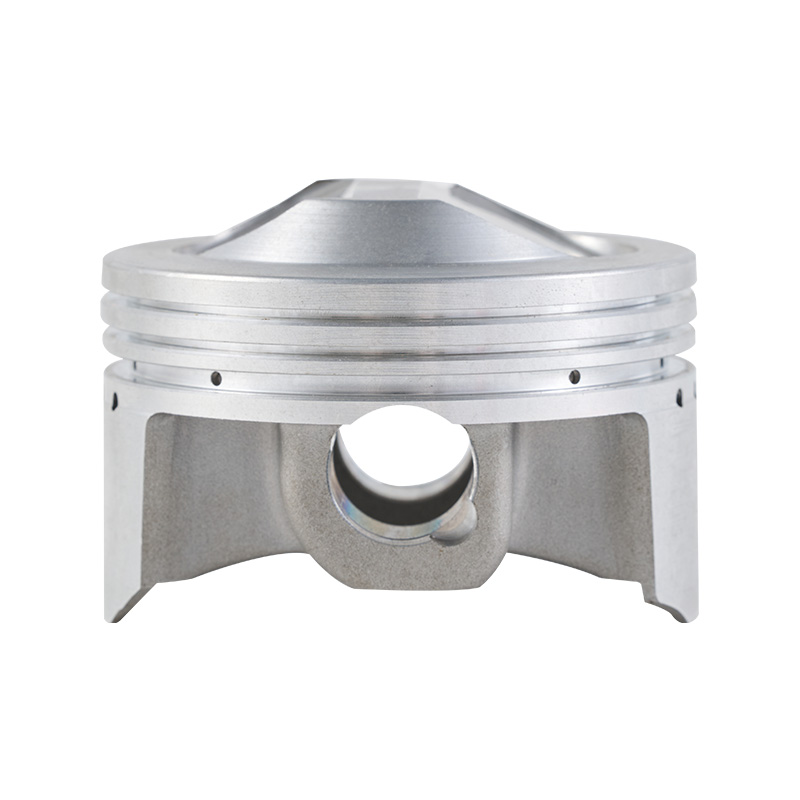
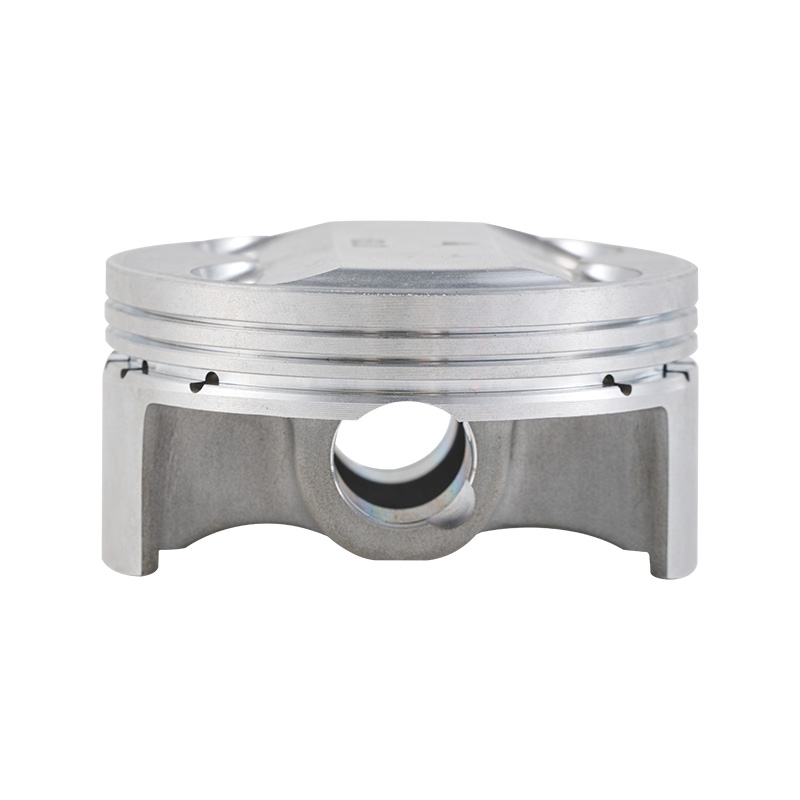
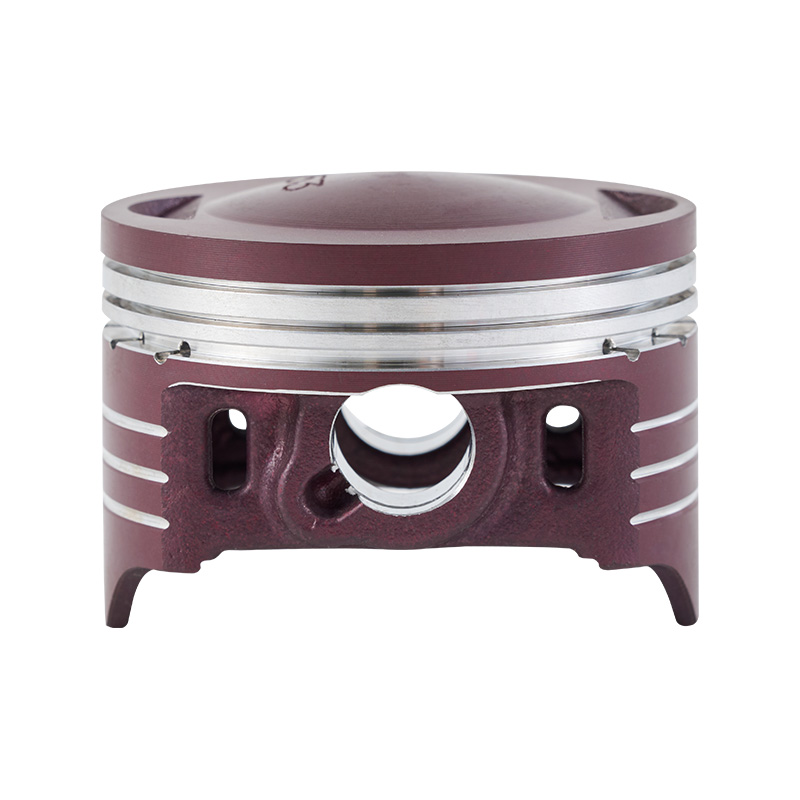
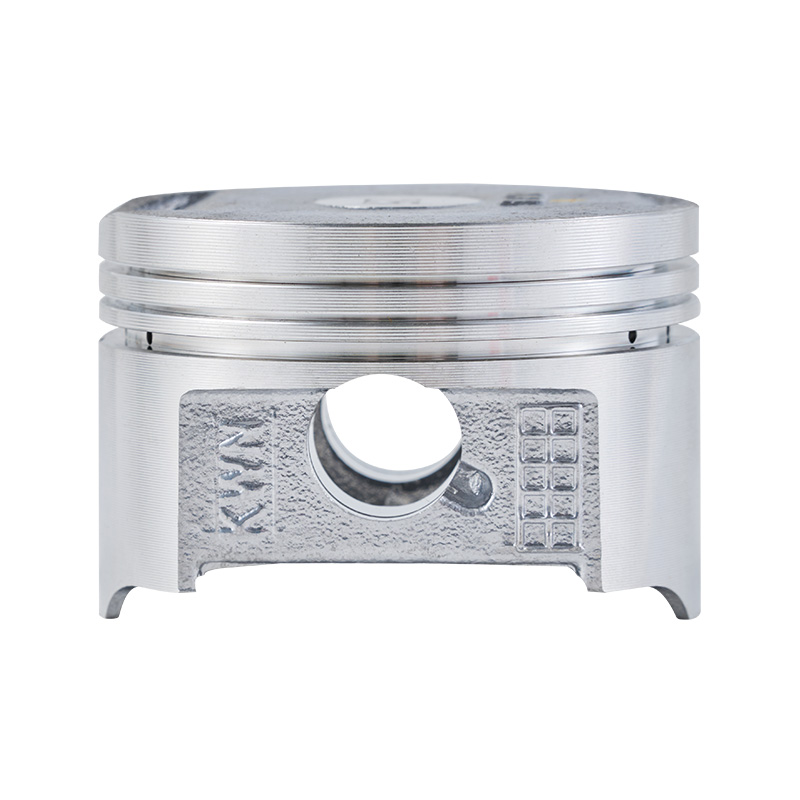
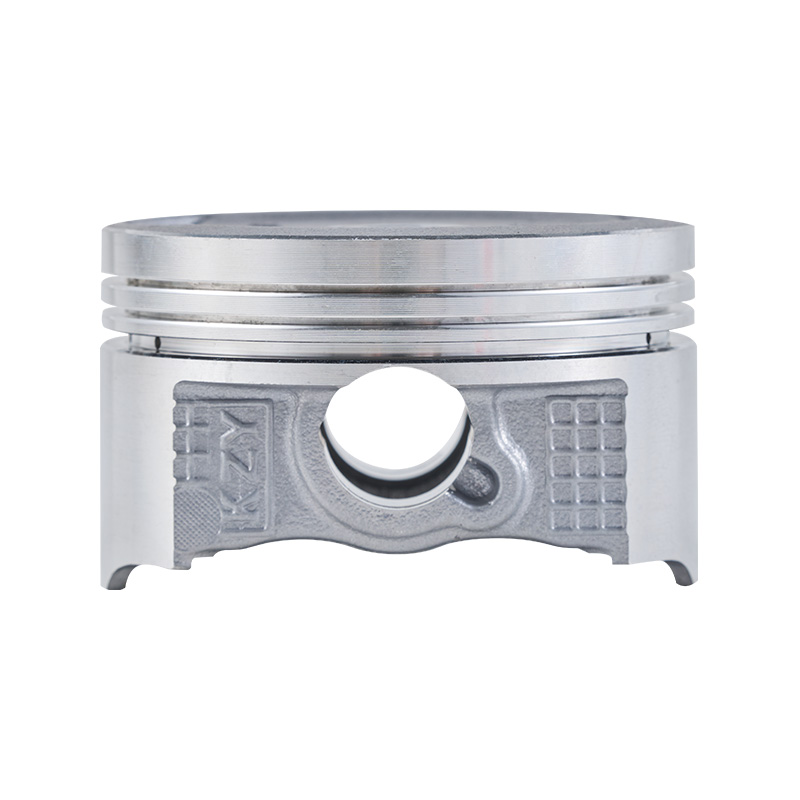
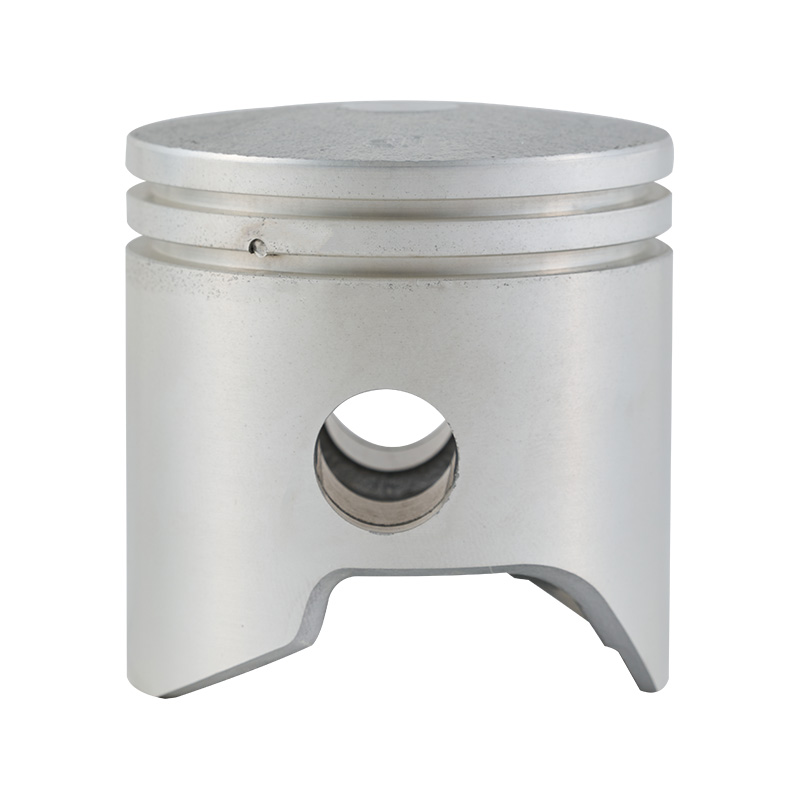

Ruian Zhengji Motorcycle Parts Co., Ltd. is a specialist piston manufacturer focused on global exports, as well as a provider of professional engine solutions. The company exports over 10 million pistons annually, offering OEM/ODM contract manufacturing and private-label services, with products covering three major sectors: automotive, motorcycles and outboard motors.
WeChat

© Ruian Zhengji Motorcycle Parts Co., Ltd.
OEM Motorcycle Parts Manufacturer
