

 Français
 中文简体
中文简体 Español
OEM Piston Manufacturer: The Backbone of Engine Performance
Author: Zhengji
Date: Aug 07, 2026
You don't see them. But every time an engine fires, a piston moves. Up and down. Thousands of times a minute. Converting combustion into motion. An OEM piston manufacturer makes the pistons that go into original equipment engines. These are not generic replacements. They're built to the exact specifications of the engine manufacturer. They fit. They last. They perform.
What an OEM Piston Is
It's made to the engine's original specifications
An OEM piston is identical to the one that came in the engine when it was new. An OEM piston manufacturer produces pistons that match the original design—same dimensions, same material, same weight. The piston fits the cylinder. The ring grooves are correct. The pin bore is right. It's a direct replacement.
It's built for the specific application
Different engines have different requirements. An OEM piston manufacturer produces pistons for automotive, marine, industrial, and small engine applications. A diesel piston is different from a gas piston. A high-performance piston is different from a standard one.
It's made from the right materials
Piston materials are chosen for the application. An OEM piston manufacturer uses aluminum alloys for most pistons. Cast iron for heavy-duty applications. The material is matched to the engine's operating conditions.
What Goes into an OEM Piston
The piston body provides the structure
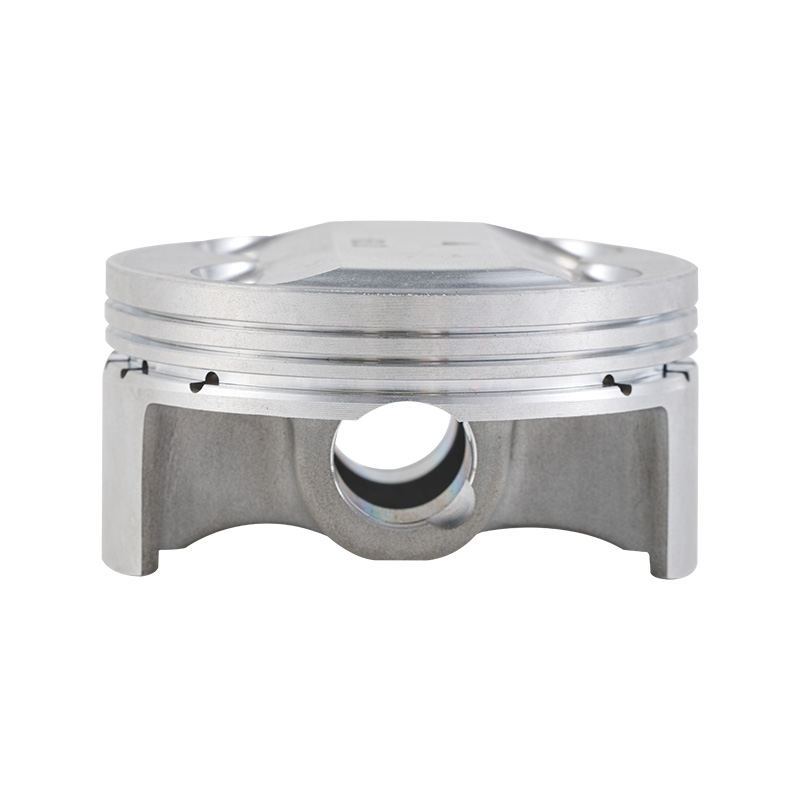
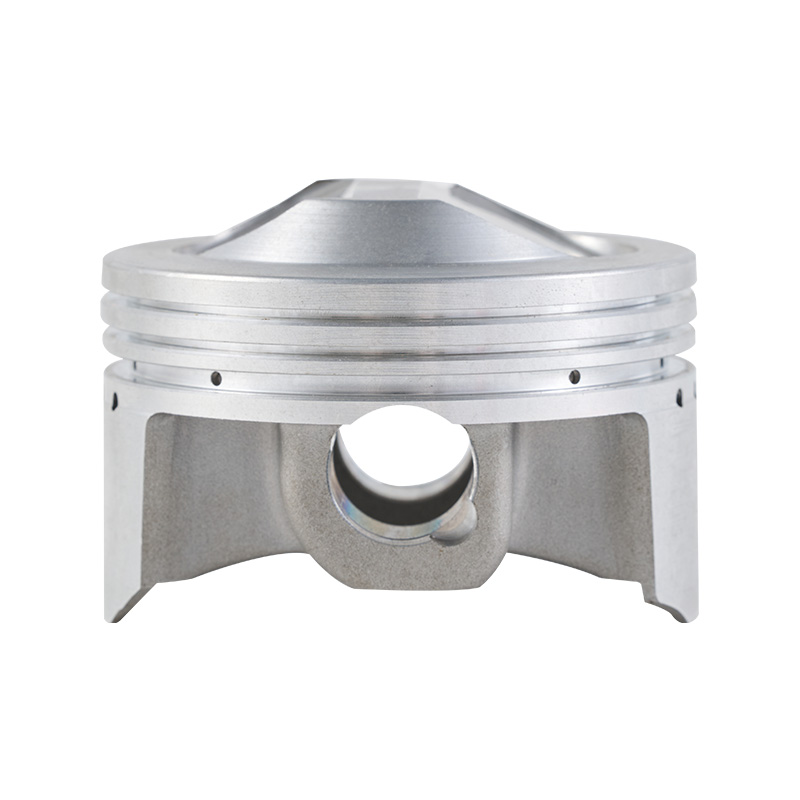
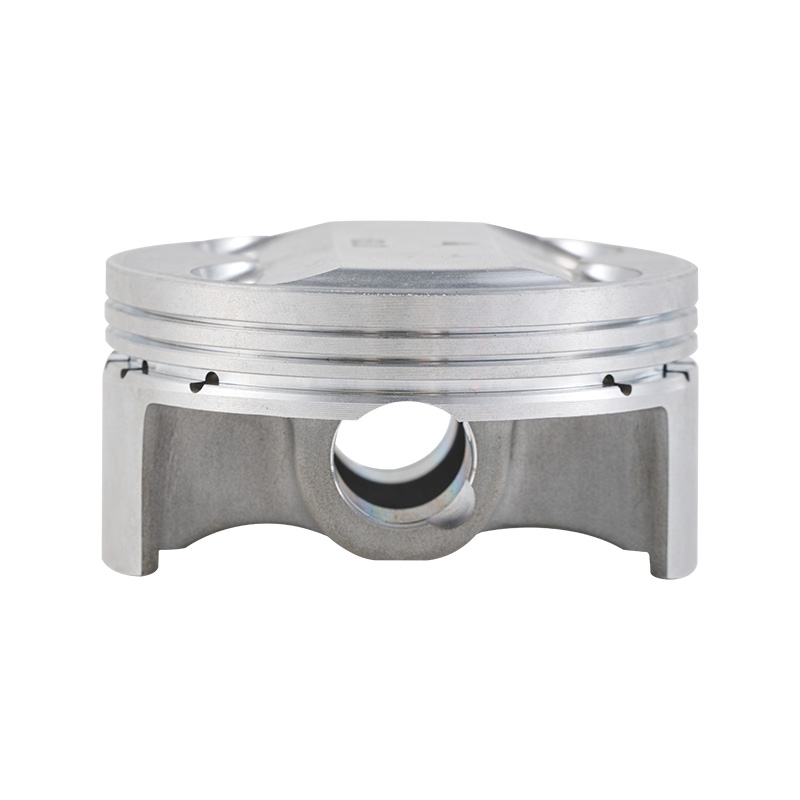
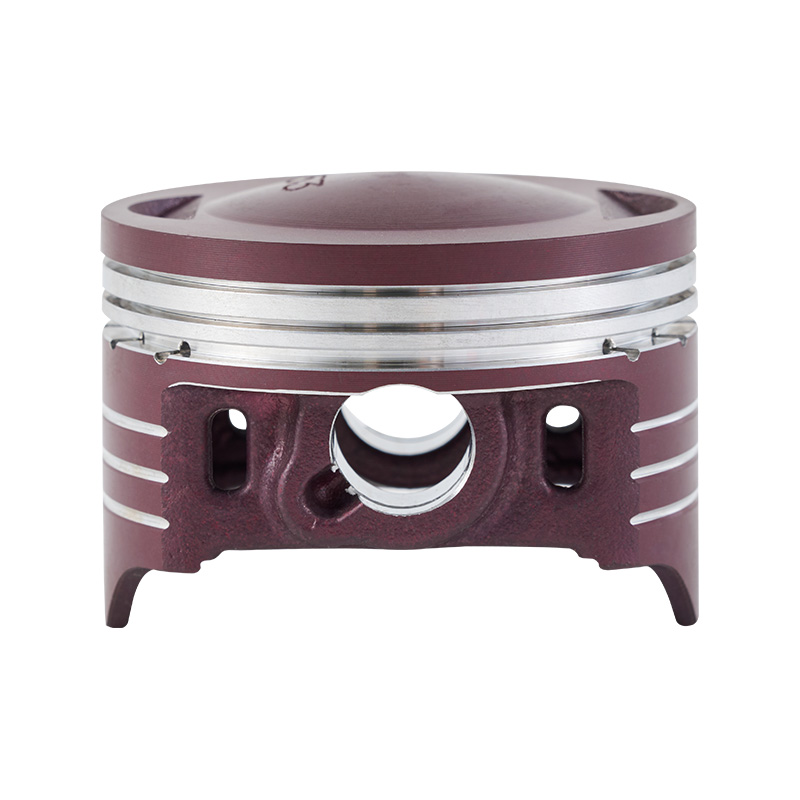
The piston body is the main part of the piston. An OEM piston manufacturer produces pistons with precise skirt profiles, ring groove placement, and pin bore alignment. The body transfers the combustion force to the connecting rod. The design determines how the piston moves in the cylinder.
The ring grooves hold the rings
The piston rings seal the combustion chamber and control oil. An OEM piston manufacturer machines the ring grooves to exact dimensions. The grooves are the right width and depth for the rings. The rings seal properly. Compression and oil control are maintained.
The pin bore holds the wrist pin
The wrist pin connects the piston to the connecting rod. An OEM piston manufacturer machines the pin bore to the correct size. The pin fits snugly. The piston moves smoothly on the pin. The connection is reliable.
Common specs for OEM pistons:
- Materials: aluminum alloy, cast iron
- Piston types: forged, cast, hypereutectic
- Ring grooves: 2 compression + 1 oil
- Pin bore: press-fit or full-floating
- Surface treatment: anodizing, dry film lubricant, coating
- Skirt profile: cam-ground, tapered
- Compression ratio: application-specific
- Temperature range: application-specific
Where OEM Pistons Are Used
Automotive engines
Cars and trucks need pistons that last. An OEM piston manufacturer supplies pistons for production engines. The pistons are built for durability and performance. They handle the heat and pressure of daily driving.
Marine engines
Boats need pistons that resist corrosion. An OEM piston manufacturer produces pistons for marine applications. The pistons are made from corrosion-resistant materials. They handle the saltwater environment.
Industrial engines
Generators, pumps, and compressors run continuously. An OEM piston manufacturer supplies pistons for industrial engines. The pistons are built for long service life. They handle the constant load.
Small engines
Lawnmowers, generators, and snow blowers use small engines. An OEM piston manufacturer produces pistons for these applications. The pistons are simple and durable. They start reliably and run well.
What to Look For
Material specification
The piston has to be made from the right material. An OEM piston manufacturer should specify the material grade. The material has to match the application.
Dimensional accuracy
The piston has to fit the cylinder. An OEM piston manufacturer should hold tight tolerances. The piston is checked for size, roundness, and taper.
Ring groove accuracy
The rings have to fit the grooves. An OEM piston manufacturer should machine the grooves to the correct width and depth. The rings seal properly.
Pin bore fit
The pin has to fit the bore. An OEM piston manufacturer should bore the hole to the correct size. The pin fits without play.
Surface finish
The piston has to move smoothly. An OEM piston manufacturer should provide a good surface finish on the skirt and ring grooves.
Testing and quality control
An OEM piston manufacturer should test the pistons for dimensional accuracy and material properties. Each batch is verified. The pistons meet the specifications.
OEM pistons are made to the original engine specifications. They fit. They last. They perform. An OEM piston manufacturer that controls the material, the machining, and the testing produces pistons you can count on. That's the difference between an engine that runs and one that doesn't.
Related products
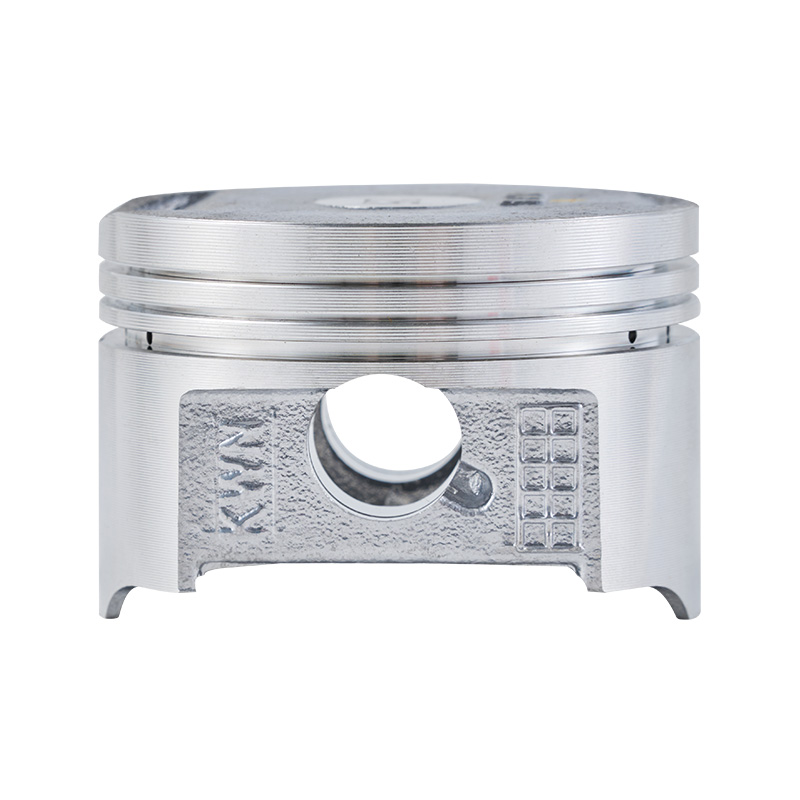
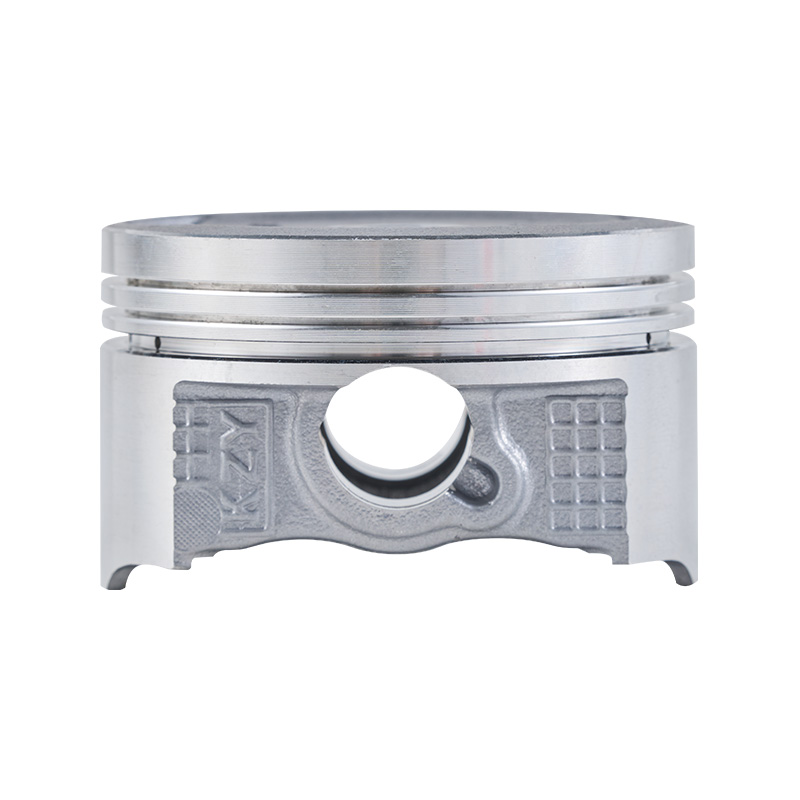
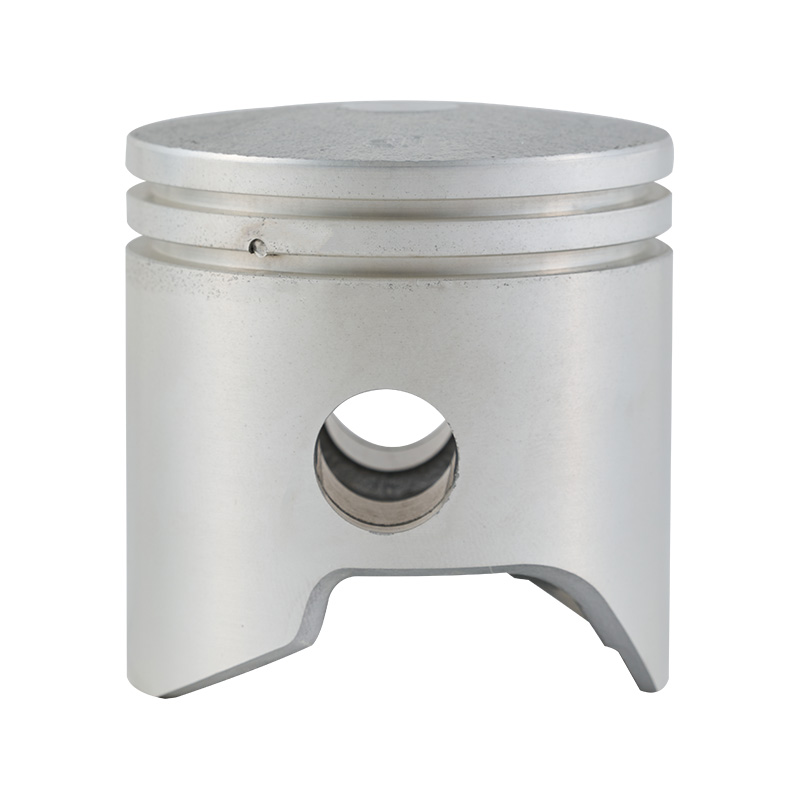

Ruian Zhengji Motorcycle Parts Co., Ltd. is a specialist piston manufacturer focused on global exports, as well as a provider of professional engine solutions. The company exports over 10 million pistons annually, offering OEM/ODM contract manufacturing and private-label services, with products covering three major sectors: automotive, motorcycles and outboard motors.
WeChat

© Ruian Zhengji Motorcycle Parts Co., Ltd.
OEM Motorcycle Parts Manufacturer
