

 Français
 中文简体
中文简体 Español
Outboard Engine Pistons: The Backbone of Marine Propulsion Reliability
Author: Zhengji
Date: Jul 31, 2026
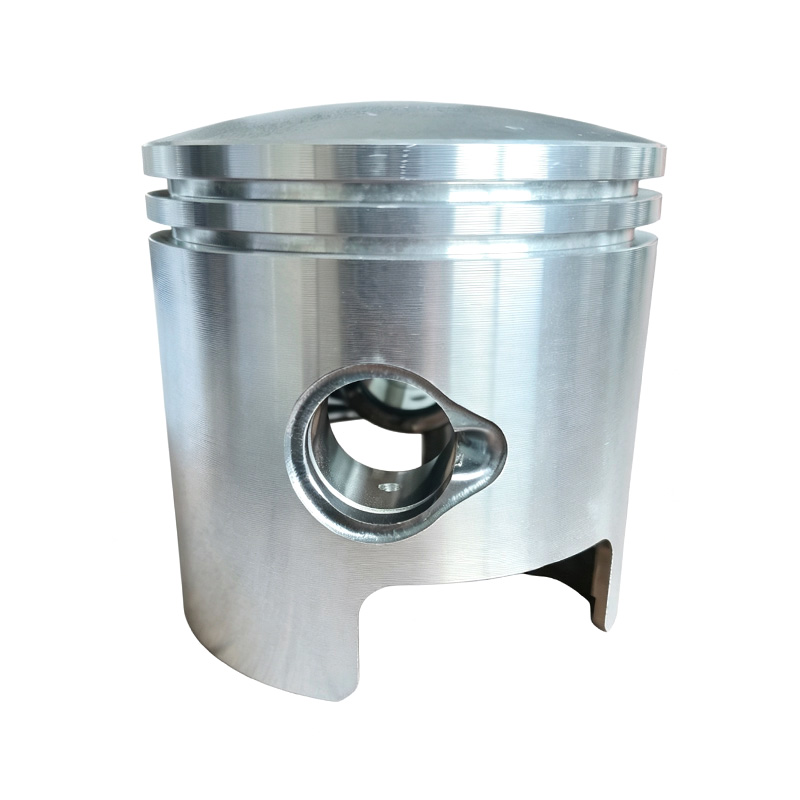
Marine engines demand components that endure constant operation in harsh conditions. Saltwater exposure. High RPMs. Heavy loads. Long run times. Without reliable pistons, outboard engines lose power and fail prematurely. Outboard engine pistons deliver the performance required for marine applications. They provide corrosion-resistant materials that withstand saltwater environments. They offer precise ring groove geometry for consistent compression sealing. They make marine propulsion more dependable and engine life significantly longer.
The Unique Demands of Marine Piston Design
Marine pistons must resist saltwater corrosion
Saltwater accelerates metal degradation. Outboard engine pistons are manufactured with aluminium alloys that resist corrosion. The material includes copper-free formulations. The piston surface is anodized or coated. The engine lasts longer in marine environments.
Marine pistons operate at higher sustained RPMs
Outboard engines run continuously at high speeds. Outboard engine pistons are designed with lightweight construction and balanced mass. The piston reduces stress on the connecting rod. The engine revs freely. The boat achieves speed.
Marine pistons must handle varying fuel quality
Marine fuel quality varies by location. Outboard engine pistons are designed with ring groove configurations that maintain compression despite fuel variations. The engine runs smoothly on different octane fuels. The boat continues to operate.
Critical Manufacturing Specifications for Marine Service
The piston alloy is selected for marine service
Marine piston alloys are specially formulated. Outboard engine pistons use alloys with low copper content for corrosion resistance. The material provides strength at operating temperatures. The piston retains its shape. The engine runs reliably.
The ring grooves are machined for marine ring packages
Marine ring packages have specific groove dimensions. Outboard engine pistons feature ring grooves machined to precise depths and widths. The rings seal effectively. The blow-by is minimized. The engine produces full power.
The piston pin is designed for marine load conditions
Piston pins transfer force to the connecting rod. Outboard engine pistons use pins with appropriate hardness and surface finish. The pin resists wear. The connection is reliable. The engine operates smoothly.
Common specifications for outboard engine pistons:
- Materials: low-copper aluminium alloys
- Diameter range: 60mm to 120mm
- Ring grooves: 2 compression rings, 1 oil ring
- Pin type: pressed or full-floating
- Surface treatment: anodizing, dry film lubricant
- Compression ratio: 8.5:1 to 11.5:1
- Cooling: oil cooling passages or spray
Typical Applications and Operating Scenarios
Recreational boating
Leisure boats require dependable power. Outboard engine pistons are installed in recreational outboard motors. The piston provides reliable performance. The family enjoys the water. The engine starts every time.
Commercial fishing and workboats
Commercial vessels operate daily. Outboard engine pistons are used in commercial outboard engines. The piston withstands heavy use. The vessel remains operational. The livelihood continues.
Emergency and rescue craft
Emergency craft cannot afford engine failure. Outboard engine pistons are specified for marine rescue engines. The piston provides uncompromising reliability. The rescue mission is completed. Lives are saved.
Military marine operations
Military vessels require bad reliability. Outboard engine pistons are used in defence marine applications. The piston meets stringent specifications. The engine performs. The mission is supported.
Key Performance Factors for Buyers and Rebuilders
Corrosion resistance must match the operating environment
Saltwater use requires specific alloys. Outboard engine pistons should be selected with low-copper content. The piston resists corrosion. The engine life is extended. The reliability is improved.
The piston design must suit the cooling system
Different engines have different cooling systems. Outboard engine pistons should be selected for the engine type. The piston dissipates heat effectively. The engine stays cool. The operation is reliable.
Ring groove dimensions must match the ring package
Ring sealing depends on correct groove fit. Outboard engine pistons should be specified with the correct groove dimensions. The rings seal effectively. The compression is maintained. The power is delivered.
Weight and balance must suit the engine's operating RPM
High RPM requires lightweight pistons. Outboard engine pistons should be weight-matched for the application. The engine runs smoothly. The vibrations are minimized. The comfort is improved.
Outboard engine pistons are the heart of marine propulsion systems. But they determine whether a boat returns safely or becomes stranded. They decide whether engine rebuilds are required annually or only after years of service. Choose pistons with corrosion-resistant alloys, correct ring groove dimensions, suitable weight, and appropriate cooling provisions. Your marine engine will be reliable. Your time on the water will be worry-free. That is the purpose of outboard engine pistons. To make marine power dependable in demanding saltwater conditions.
Related products
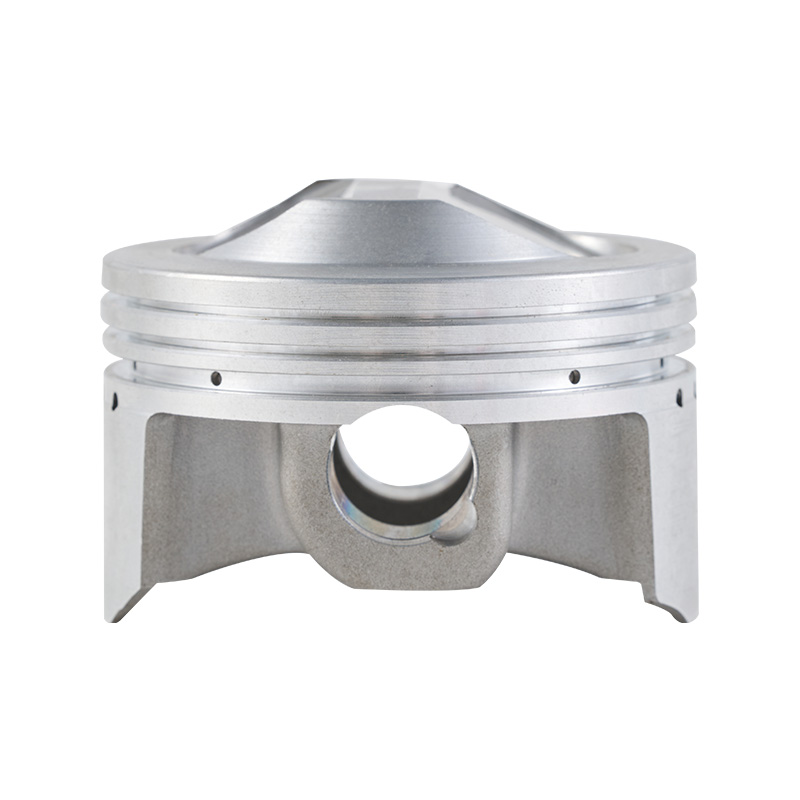
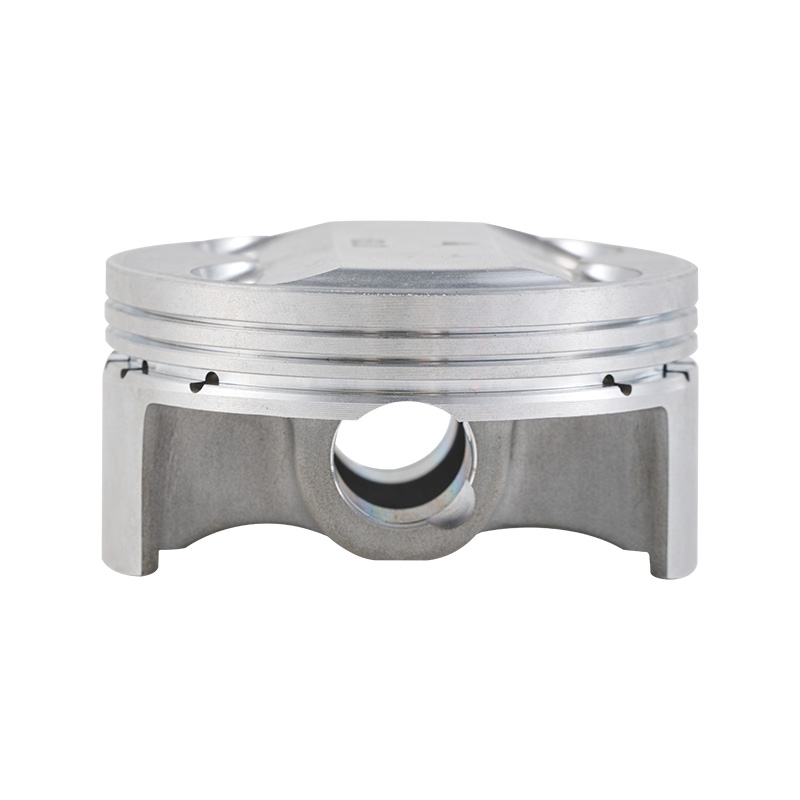
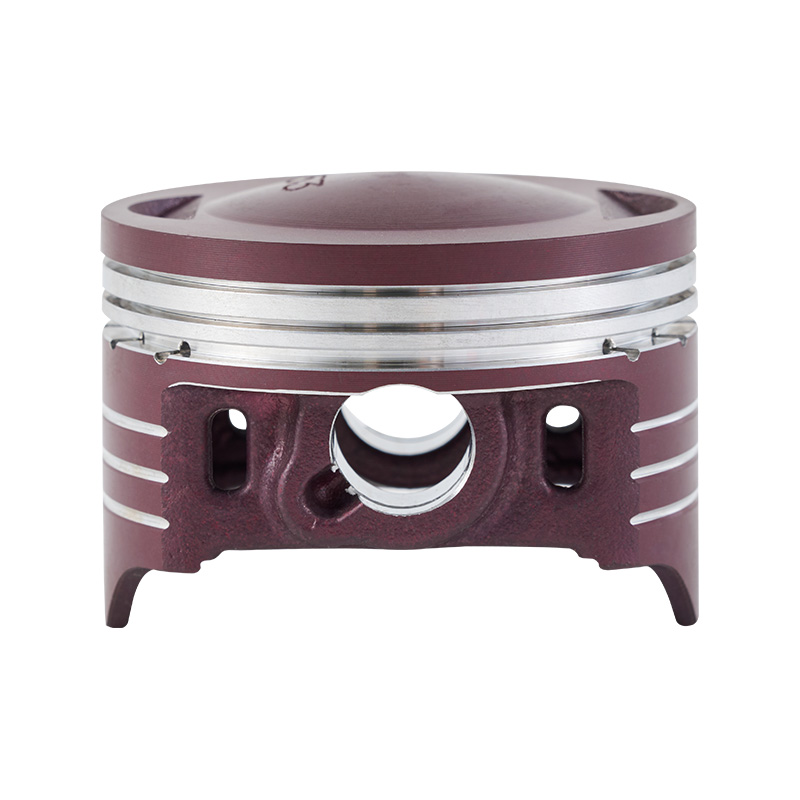
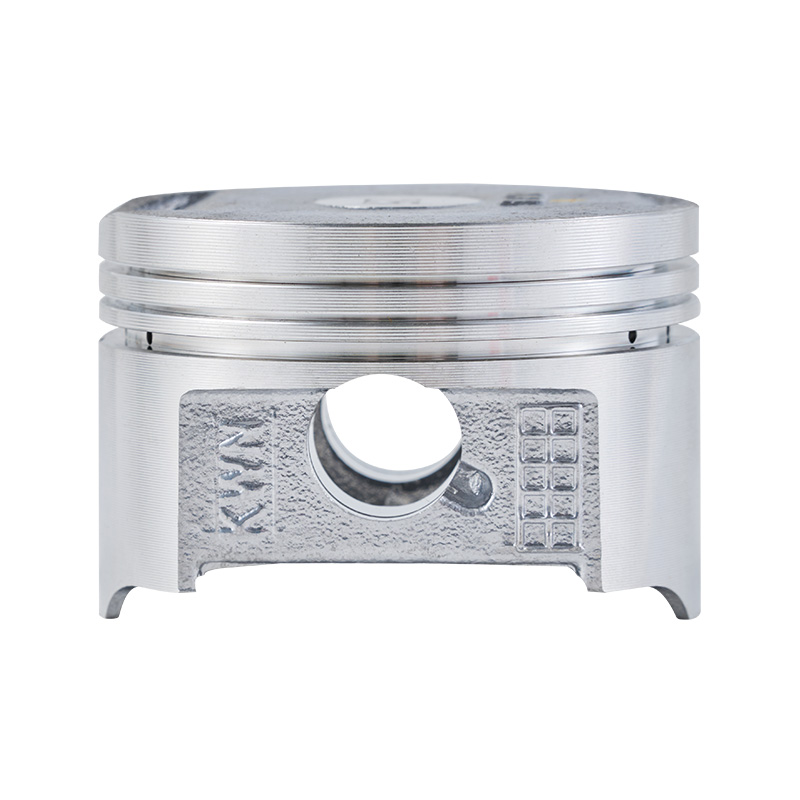
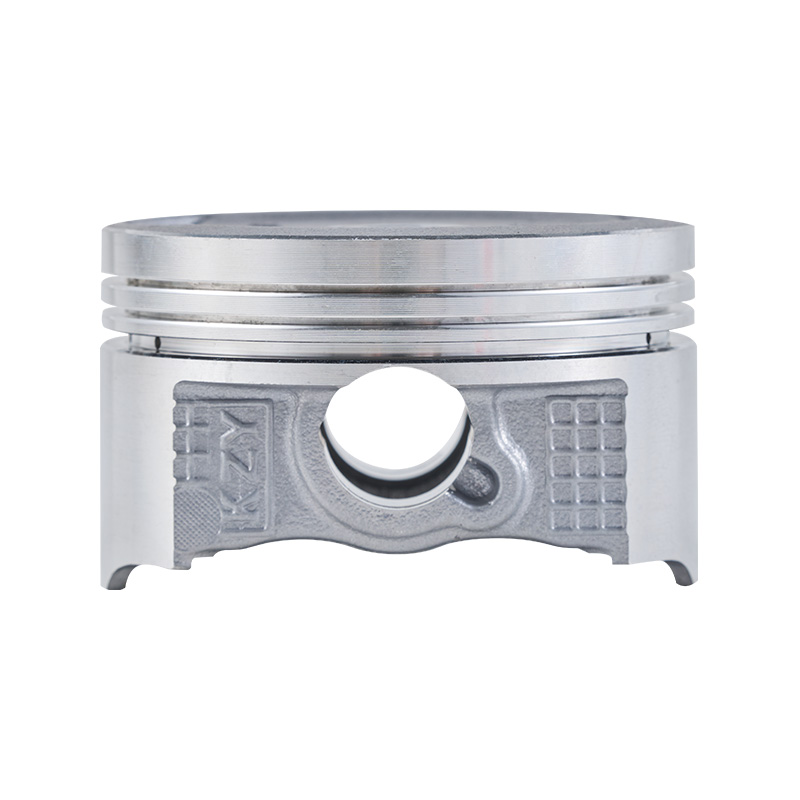
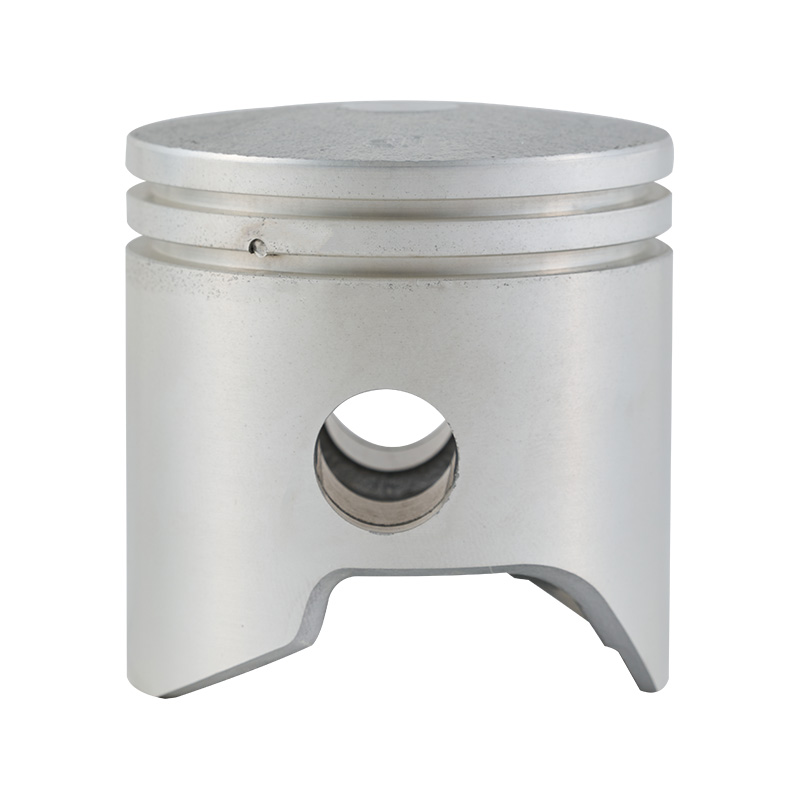

Ruian Zhengji Motorcycle Parts Co., Ltd. is a specialist piston manufacturer focused on global exports, as well as a provider of professional engine solutions. The company exports over 10 million pistons annually, offering OEM/ODM contract manufacturing and private-label services, with products covering three major sectors: automotive, motorcycles and outboard motors.
WeChat

© Ruian Zhengji Motorcycle Parts Co., Ltd.
OEM Motorcycle Parts Manufacturer
