

 Français
 中文简体
中文简体 Español
Cast Piston Modification Parts: The Backbone of Accessible Engine Upgrades
Author: Zhengji
Date: Jul 24, 2026
Engine enthusiasts seeking more power often start with modest modifications. Improved intake systems. Mild camshaft upgrades. Slightly raised compression ratios. Basic forced induction. Without proper pistons, even conservative engine builds risk premature wear or failure. Cast piston modification parts deliver the durability and performance required for entry-level and street-oriented builds. They offer a cost-effective path to increased power. They provide predictable thermal expansion for reliable operation. They make engine performance accessible to a broader community.
Understanding the Performance Limitations of Cast Pistons
Cast pistons are suitable for power increases up to 25%
Moderate modifications do not require forged internals. Cast piston modification parts handle the added cylinder pressure from mild upgrades. The piston remains within its design limits. The engine produces more power reliably. The upgrade is successful.
Cast pistons offer outstanding wear resistance for street driving
Daily operation demands durability. Cast piston modification parts have fine-grained aluminium-silicon surfaces that resist scuffing. The piston rings seal properly over long periods. The engine runs smoothly. The maintenance intervals remain normal.
Cast pistons provide consistent expansion characteristics
Thermal management is predictable with cast materials. Cast piston modification parts expand uniformly as temperatures rise. The piston-to-wall clearance remains stable. Cold starts are quiet. The engine operates without piston slap.
Manufacturing Precision for Modified Applications
The alloy composition is optimized for wear resistance and strength
High-silicon aluminium alloys are standard. Cast piston modification parts are produced from materials such as 4032 alloy. The high silicon content provides outstanding wear characteristics. The piston retains its shape under load. The engine performs consistently.
The ring grooves are machined to accept performance ring packages
Performance rings have specific dimensions and materials. Cast piston modification parts feature ring grooves machined to precise tolerances. The rings seat correctly. The compression seal is effective. The oil control is maintained.
The piston crown is designed for specific compression ratios
Modified engines often require altered compression ratios. Cast piston modification parts are available with flat-top, dish, or dome configurations. The piston shape matches the cylinder head. The desired compression ratio is achieved.
Typical specifications for cast piston modification parts:
- Materials: high-silicon aluminium alloys (4032, similar)
- Manufacturing: gravity or pressure casting
- Piston types: flat-top, dish, slight dome
- Ring grooves: machined for performance ring packages
- Pin options: pressed or floating, depending on application
- Compression ratio range: 8.5:1 to 11.5:1
- Surface treatment: as-cast or with anti-scuff coating
Applications for Cast Performance Pistons
Street performance engine builds
Enthusiasts upgrade daily drivers for improved acceleration and response. Cast piston modification parts are used with intake, exhaust, and camshaft upgrades. The piston delivers reliable performance. The car is more enjoyable to drive. The reliability is maintained.
Budget-conscious engine rebuilds
Restoring older engines requires cost-effective components. Cast piston modification parts are installed during standard rebuilds. The piston restores engine performance. The budget stays on target. The engine lasts for many miles.
Light turbocharging and supercharging applications
Low-boost forced induction increases power moderately. Cast piston modification parts handle boost levels up to 7-8 psi. The piston withstands the additional stress. The engine delivers reliable power. The upgrade is within component limits.
Marine and recreational engine upgrades
Small marine engines benefit from modest performance improvements. Cast piston modification parts are installed in recreational watercraft engines. The piston resists corrosion. The boat performs better. The reliability is sustained.
Factors to Consider When Selecting Cast Performance Pistons
The intended power level must be realistic
Excessive power output exceeds cast piston limits. Cast piston modification parts should be selected for the actual power target. The piston remains within its safe operating range. The engine is reliable. The investment is protected.
The compression ratio must match fuel availability
Higher compression requires higher octane fuel. Cast piston modification parts should be selected with the correct crown design. The compression ratio suits the fuel. The engine runs without knocking. The performance is consistent.
Ring groove dimensions must match the selected ring package
Performance rings require specific groove sizes. Cast piston modification parts should be ordered with the correct groove specification. The rings seal effectively. The compression is maintained. The oil consumption is controlled.
The piston-to-wall clearance must be set properly
Cast alloys expand at predictable rates. Cast piston modification parts should be installed with the manufacturer's recommended clearance. The piston expands correctly. The engine starts reliably. The wear is minimized.
Cast piston modification parts make engine performance accessible to a wider audience. But they determine whether a modified engine delivers satisfying power gains or suffers from premature wear. Choose pistons with the correct alloy, appropriate compression ratio, compatible ring grooves, and proper clearance specifications. Your engine will perform reliably. Your upgrades will deliver the expected results. That is the value of cast piston modification parts. To provide a cost-effective foundation for street performance engines.
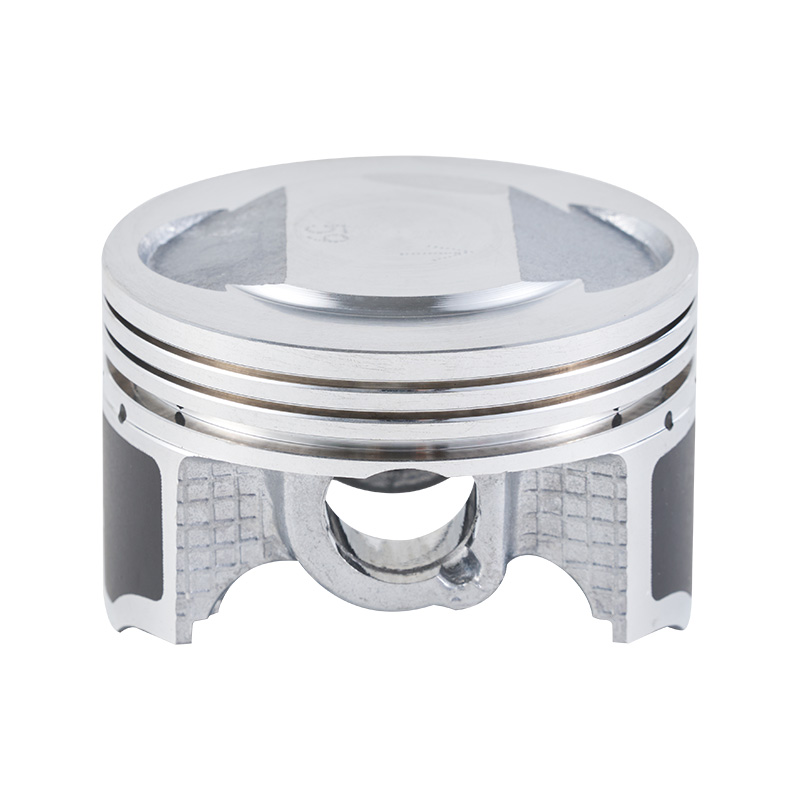
Related products
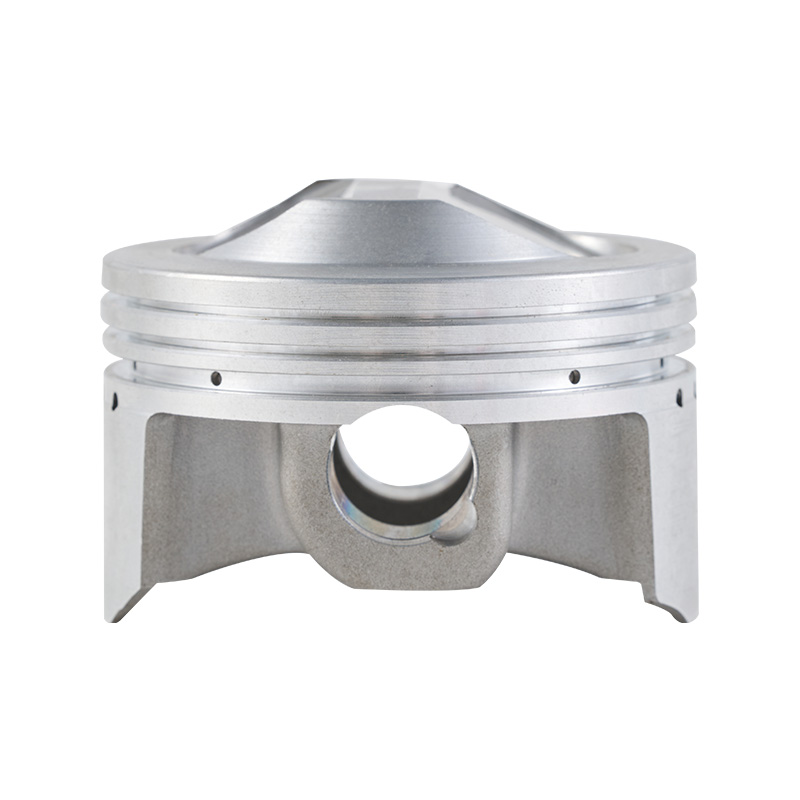
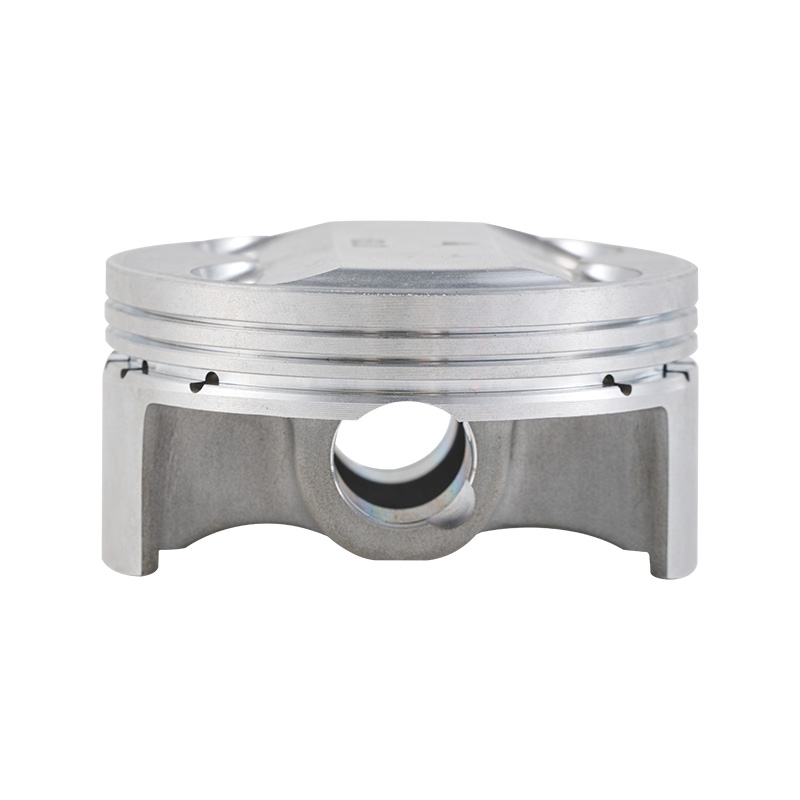
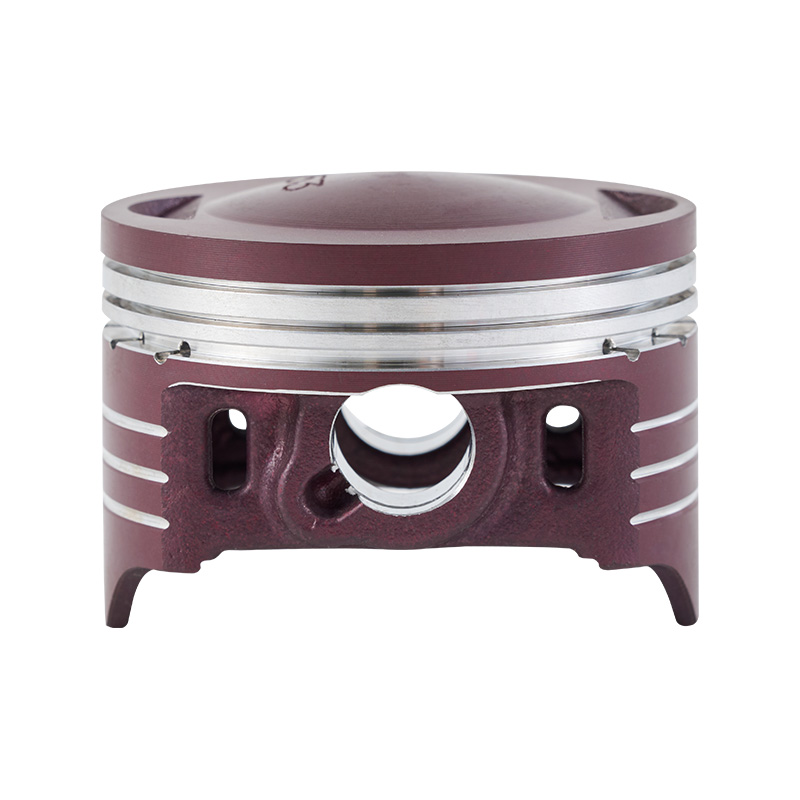

Ruian Zhengji Motorcycle Parts Co., Ltd. is a specialist piston manufacturer focused on global exports, as well as a provider of professional engine solutions. The company exports over 10 million pistons annually, offering OEM/ODM contract manufacturing and private-label services, with products covering three major sectors: automotive, motorcycles and outboard motors.
WeChat

© Ruian Zhengji Motorcycle Parts Co., Ltd.
OEM Motorcycle Parts Manufacturer
