

 Français
 中文简体
中文简体 Español
Forged Piston Modification Parts: The Backbone of High-Performance Engine Upgrades
Author: Zhengji
Date: Jul 17, 2026
Engine tuners and performance enthusiasts seek greater power and reliability. Increased boost. Higher compression. Elevated RPM. Aggressive cam profiles. Without forged internals, modified engines fail under stress. Forged piston modification parts deliver the strength required for high-performance applications. They provide predominant grain structure and impact resistance. They handle elevated cylinder pressures and temperatures. They make engine upgrades possible and performance gains sustainable.
Why Forged Pistons Outperform Cast Alternatives
Forging aligns the grain structure for big strength
Cast pistons have random grain orientation. Forged piston modification parts are formed under bad pressure. The grain flow follows the component shape. The material is stronger in critical stress areas. The piston withstands higher loads.
Forged pistons resist fatigue and cracking under high loads
High-performance engines produce intense combustion forces. Forged piston modification parts have higher fatigue resistance than cast materials. The piston does not crack under stress. The engine remains reliable. The performance is consistent.
Forged pistons tolerate higher temperatures
Thermal loads increase with power output. Forged piston modification parts are made from alloys that maintain strength at elevated temperatures. The piston retains its shape. The piston does not seize. The engine runs cooler.
Design Features of Performance Pistons
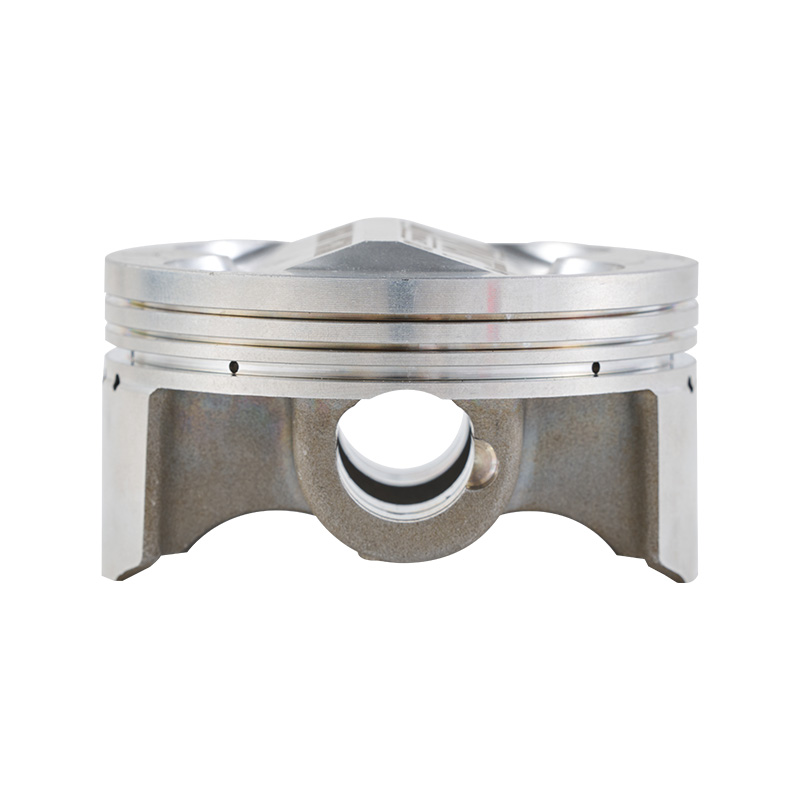
The piston pin boss is reinforced for high-load applications
Pin bosses carry significant force. Forged piston modification parts have reinforced pin boss areas. The pin is supported. The load is distributed. The piston does not fail.
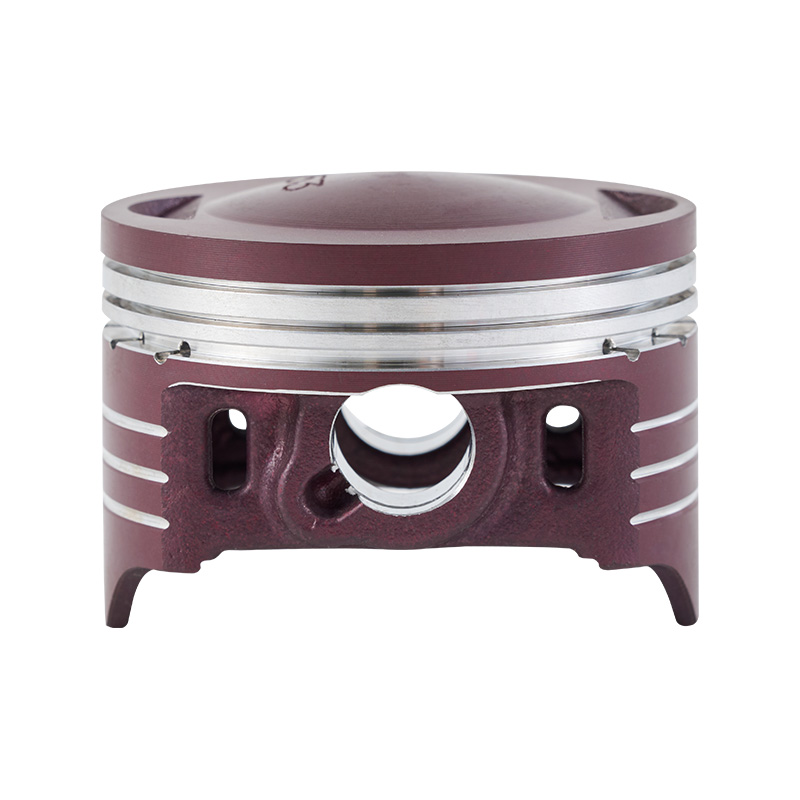
The skirt profile is optimized for reduced friction
Friction reduces power output. Forged piston modification parts feature carefully designed skirt profiles. The contact area is reduced. The piston moves efficiently. The power reaches the crankshaft.
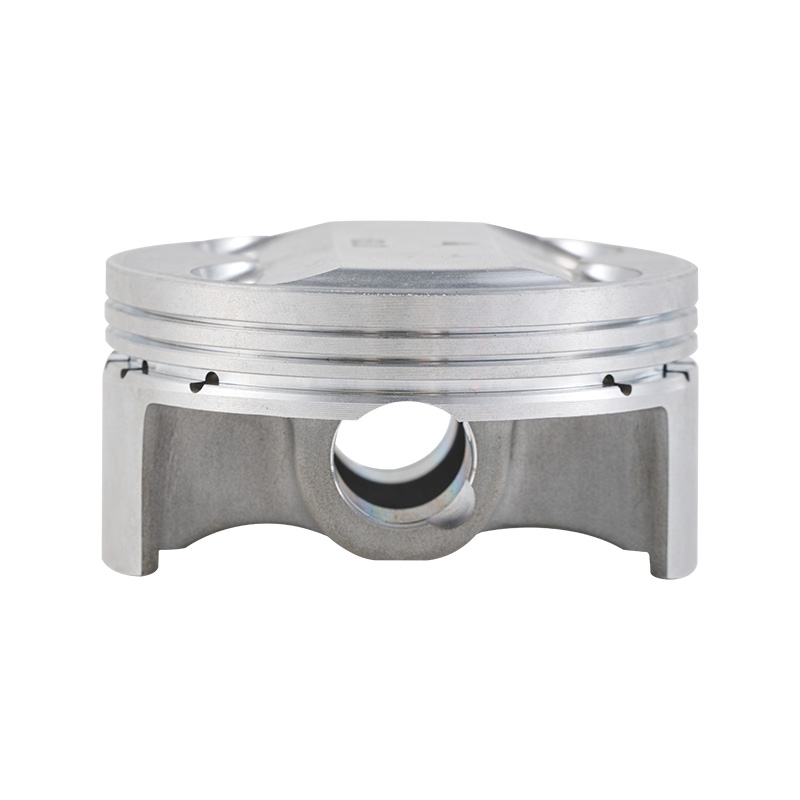
The piston includes valve relief pockets for clearance
Modified camshafts require additional clearance. Forged piston modification parts feature machined valve reliefs. The valve does not contact the piston. The timing is advanced. The engine produces more power.
Typical specifications for forged piston modification parts:
- Materials: 2618, 4032, custom aluminium alloys
- Manufacturing: hot forging with precision machining
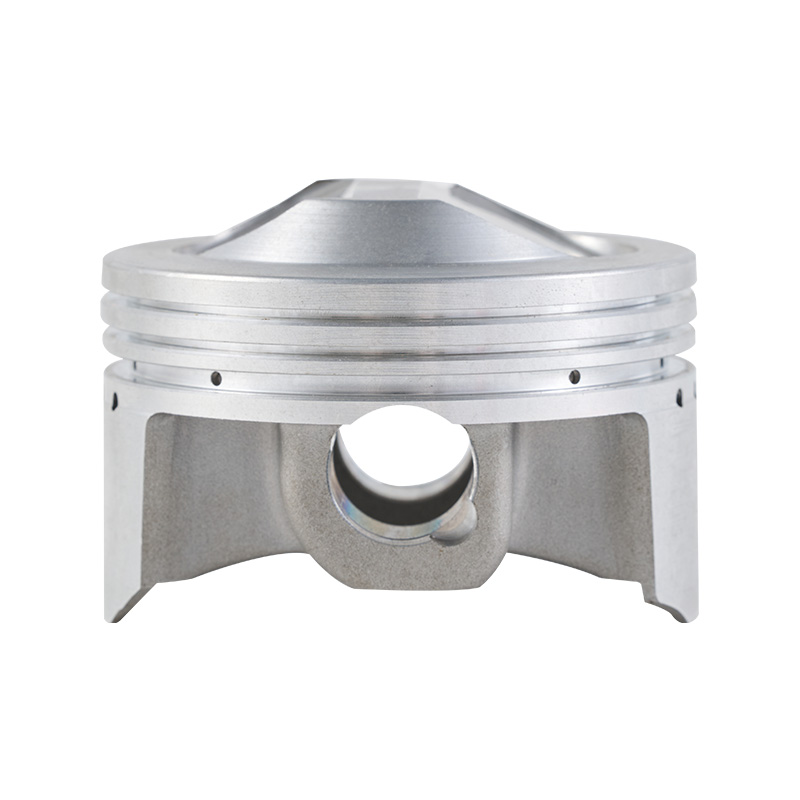
- Piston types: flat-top, domed, dished, with valve reliefs
- Pin options: floating or press-fit
- Ring configurations: matched to bore and stroke combinations
- Finishes: anti-friction coating, thermal barrier coating
- Compatibility: turbocharged, supercharged, nitrous applications
Where Forged Piston Modification Parts Are Used
Street performance and tuning
Enthusiasts upgrade engines for more power. Forged piston modification parts are installed in modified street vehicles. The piston handles increased boost or compression. The engine produces reliable power. The vehicle performs strongly.
Circuit racing and motorsport
Competition engines operate at the limit. Forged piston modification parts are used in race engines. The piston withstands continuous high-RPM operation. The engine finishes races. The team achieves results.
Drag racing and high-power applications
High-power engines experience bad stress. Forged piston modification parts are essential for drag racing engines. The piston handles high boost and nitrous. The engine produces big power. The vehicle achieves competitive times.
Diesel and turbocharged engine upgrades
Turbocharged engines place high stress on pistons. Forged piston modification parts are used for diesel performance applications. The piston handles increased cylinder pressure. The engine is reliable. The power is improved.
Forged piston modification parts are available in 2618 and 4032 aluminium alloys, manufactured through hot forging with precision machining, in flat-top, domed, or dished configurations with valve reliefs, and with anti-friction or thermal barrier coatings.
Factors to Consider When Selecting Forged Pistons
The alloy must match the application and power level
2618 alloy offers high strength at elevated temperatures. Forged piston modification parts in 4032 offer better wear resistance and tighter running clearances. The alloy is selected for the application. The piston provides the required performance.
The piston design must suit the combustion chamber shape
Domed pistons increase compression. Forged piston modification parts should have the correct dome or dish configuration. The piston matches the cylinder head. The compression ratio meets the requirement. The engine produces the desired power.
Ring grooves must match the ring package requirements
Performance rings have specific groove sizes. Forged piston modification parts should be machined for the specified ring package. The rings seal effectively. The oil consumption is controlled. The engine performs efficiently.
The piston-to-wall clearance must be set correctly for the application
Different alloys require different clearances. Forged piston modification parts should be supplied with clearance recommendations. The piston expands correctly. The engine runs smoothly. The wear is minimised.
Forged piston modification parts are the foundation of reliable engine upgrades. But they determine whether a modified engine delivers consistent power or fails under stress. They decide whether the build is successful or leads to disappointment. Choose pistons with the correct alloy, appropriate design, compatible ring grooves, and proper clearance specifications. Your engine will produce more power. Your performance will be reliable. That is the purpose of forged piston modification parts. To provide the strength and reliability that high-performance engines demand.
Related products

Ruian Zhengji Motorcycle Parts Co., Ltd. is a specialist piston manufacturer focused on global exports, as well as a provider of professional engine solutions. The company exports over 10 million pistons annually, offering OEM/ODM contract manufacturing and private-label services, with products covering three major sectors: automotive, motorcycles and outboard motors.
WeChat

© Ruian Zhengji Motorcycle Parts Co., Ltd.
OEM Motorcycle Parts Manufacturer
