

 Français
 中文简体
中文简体 Español
Outboard Motor Pistons Factory: The Backbone of Marine Engine Performance
Author: Zhengji
Date: Jul 10, 2026
Marine engines operate under bad conditions. Saltwater corrosion. High RPM loads. Thermal cycling. Continuous operation. Without precision components, outboard motors lose power and reliability. An outboard motor pistons factory produces the critical components that convert combustion pressure into mechanical energy. It manufactures pistons with precise skirt profiles and ring groove geometries. It ensures consistent thermal expansion properties across production runs. This manufacturing capability makes marine engines more powerful and dependable on the water.
What Outboard Motor Pistons Must Withstand
Pistons endure high combustion pressures and temperatures
Marine engines operate at high loads. An outboard motor pistons factory produces pistons from aluminium alloys that withstand bad conditions. The material resists thermal fatigue. The piston maintains its shape. The engine delivers consistent power.
Pistons must resist saltwater corrosion
Marine environments accelerate corrosion. An outboard motor pistons factory applies anodized or coated surfaces to the pistons. The protective layer resists salt attack. The piston remains functional. The engine life is extended.
Pistons must provide consistent compression sealing
Compression loss reduces power. An outboard motor pistons factory manufactures pistons with precise ring groove dimensions. The rings seal effectively. The compression is maintained. The engine performs efficiently.
Manufacturing Standards for Outboard Pistons
The alloy composition determines strength and thermal properties
Aluminium-silicon alloys are standard for marine pistons. An outboard motor pistons factory uses alloys such as 4032 or 2618. The material provides strength at elevated temperatures. The thermal expansion matches the cylinder bore. The piston operates reliably.
The forging or casting process affects structural integrity
Pistons must be free of porosity and inclusions. An outboard motor pistons factory uses gravity casting, pressure casting, or forging processes. The material is dense. The structure is uniform. The piston withstands combustion forces.
The skirt profile is engineered for stability and small friction
Piston skirts guide the piston in the cylinder. An outboard motor pistons factory machines the skirt profile to precise dimensions. The piston runs quietly. Friction is minimised. The engine runs smoothly.
The ring grooves are machined to precise tolerances
Ring seal quality depends on groove accuracy. An outboard motor pistons factory uses precision machining to achieve correct groove widths and depths. The rings fit correctly. The seal is maintained. The compression is consistent.
Common specifications for outboard motor pistons:
- Materials: aluminium-silicon alloys (4032, 2618)
- Manufacturing: gravity casting, pressure casting, forging
- Diameter range: 50mm to 120mm
- Piston pin bore: precision machined
- Ring grooves: 2 to 3 compression rings, 1 oil ring
- Surface treatment: anodizing, dry film lubricant, or coating
- Applications: 2-stroke and 4-stroke outboard engines
Where Outboard Motor Pistons Are Used
Recreational marine engines
Boats require reliable outboard power. An outboard motor pistons factory supplies pistons for recreational outboard engines. The pistons provide consistent performance. The boat operates reliably. The owner enjoys the water.
Commercial marine applications
Fishing vessels and workboats operate continuously. An outboard motor pistons factory produces pistons for commercial outboard engines. The pistons withstand heavy use. The vessel remains operational. The business continues.
High-performance racing outboards
Competition engines demand big output. An outboard motor pistons factory produces performance pistons for racing applications. The pistons are lightweight and durable. The engine produces high power. The boat performs competitively.
Replacement and aftermarket parts
Engine rebuilds require quality pistons. An outboard motor pistons factory supplies the aftermarket with reliable components. The pistons match OEM specifications. The engine is rebuilt to original performance.
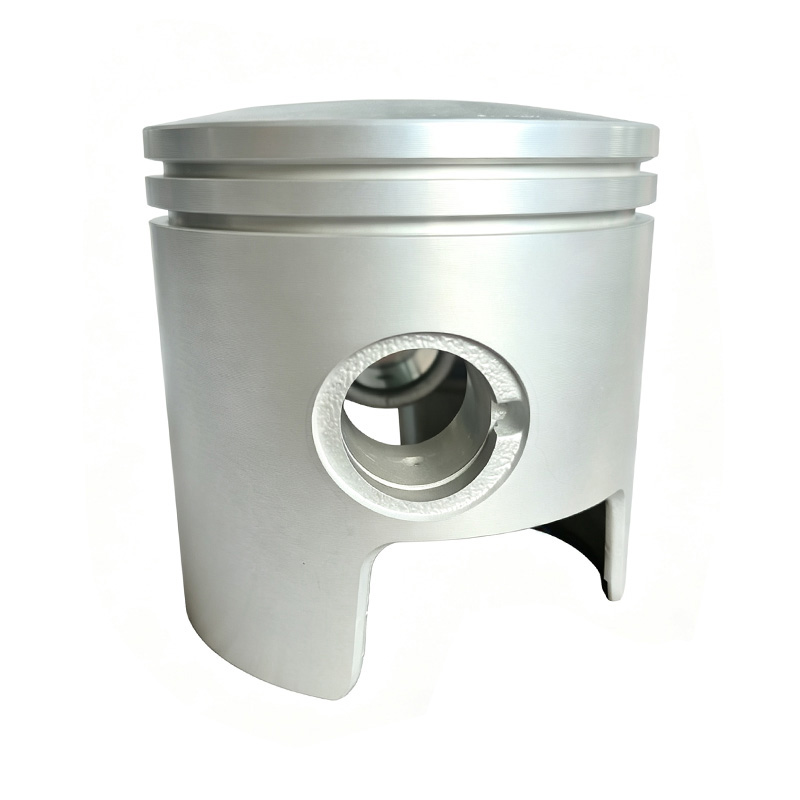
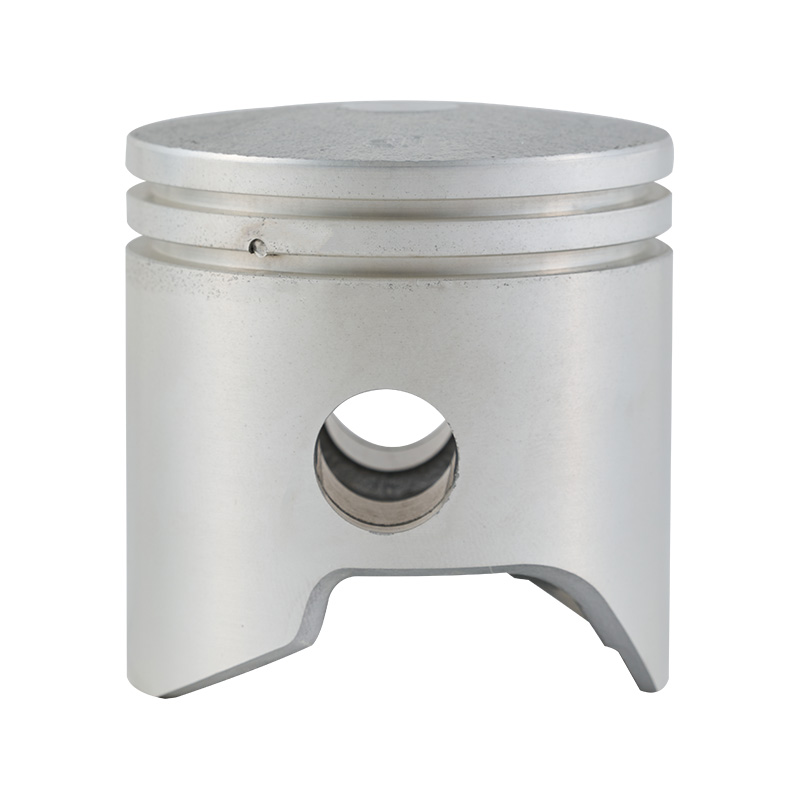
Outboard motor pistons are available with various specifications including aluminium-silicon alloys, gravity casting, pressure casting, or forging, diameters from 50mm to 120mm, precision-machined piston pin bores, groove configurations with 2 to 3 compression rings and one oil ring, and surface treatments such as anodizing, dry film lubricant, or coating.
What to Evaluate in a Piston Supplier
The alloy must suit the engine's operating temperature
Different engines have different thermal loads. An outboard motor pistons factory should supply the correct alloy for the application. The piston handles the heat. The expansion is controlled. The engine runs reliably.
The manufacturing process must ensure material integrity
Casting quality affects piston strength. An outboard motor pistons factory should have process controls for casting or forging. The material is defect-free. The piston is durable. The engine is safe.
The ring groove machining must be precise
Ring sealing depends on groove accuracy. An outboard motor pistons factory should hold tight tolerances on ring grooves. The rings seal properly. The compression is maintained. The engine performs efficiently.
The skirt profile must be correct for the engine type
Skirt design affects friction and stability. An outboard motor pistons factory should supply pistons matched to the engine design. The piston runs quietly. The wear is minimised. The engine life is extended.
An outboard motor pistons factory provides the components that make marine engines powerful and reliable. But the piston determines whether an engine produces full power or suffers from blow-by and oil consumption. It decides whether a rebuild restores performance or delivers disappointing results. Choose a factory with appropriate alloy selection, sound manufacturing processes, precise machining, and correct skirt design. Your marine engines will perform reliably. Your time on the water will be trouble-free. That is the purpose of an outboard motor pistons factory. To deliver the core strength and precision that outboard engines depend on.
Related products

Ruian Zhengji Motorcycle Parts Co., Ltd. is a specialist piston manufacturer focused on global exports, as well as a provider of professional engine solutions. The company exports over 10 million pistons annually, offering OEM/ODM contract manufacturing and private-label services, with products covering three major sectors: automotive, motorcycles and outboard motors.
WeChat

© Ruian Zhengji Motorcycle Parts Co., Ltd.
OEM Motorcycle Parts Manufacturer
