

 Français
 中文简体
中文简体 Español
OEM Piston Manufacturer: The Source for Precision Engine Components
Author: Zhengji
Date: Jul 03, 2026
Internal combustion engines are everywhere. Cars. Motorcycles. Generators. Marine vessels. Without a precisely machined piston, the engine loses compression, burns oil, or seizes entirely. An OEM piston manufacturer produces pistons built to exact engine specifications. They fit the bore superbly. They withstand bad heat and pressure. They last through millions of cycles.
How a Piston Takes Shape
It transforms aluminum alloy into a high-precision engine component
An OEM piston manufacturer starts with gravity casting, low-pressure casting, or forging of aluminum-silicon alloys. The rough blank is heat-treated for strength and dimensional stability. CNC machining cuts the ring grooves, pin bore, and skirt profile. Surface coatings are applied where specified. Every dimension is measured against the drawing.
Casting versus forging
Cast pistons suit standard production engines. Forged pistons offer higher strength for turbocharged or high-performance applications. An OEM piston manufacturer selects the process based on the engine's power output and duty cycle. The choice affects both cost and service life.
Ring groove and skirt machining
The ring grooves hold the piston rings at precise clearance. The skirt profile determines how the piston rides against the cylinder wall. An OEM piston manufacturer that controls these dimensions to micron-level tolerances delivers a piston that seals properly and runs quietly from cold start to full load.
Surface coating and treatment
Graphite coating on the skirt reduces scuffing during cold starts. Anodizing on the crown adds thermal barrier protection. An OEM piston manufacturer applies these treatments only where the engine specification requires them, balancing cost against performance gain.
Where a Substandard Piston Fails
The damage shows inside the engine, not on the shipping dock
An OEM piston manufacturer ships parts that operate sealed inside a combustion chamber. Incorrect clearance, poor material, or inadequate surface finish cause failure. Here is what separates reliable pistons from engine-destroying ones.
Material quality and consistency
Aluminum-silicon alloys with controlled grain structure resist thermal expansion and wear. A piston that expands too much scuffs the bore. One that expands too little rattles when cold. An OEM piston manufacturer that controls alloy composition and heat treatment produces pistons that stay within dimensional limits across the full operating temperature range.
Pin bore geometry
The wrist pin bore must be round and sized precisely. An out-of-round bore creates uneven loading and pin galling. An OEM piston manufacturer that hones or machines pin bores to specification prevents this failure point. The surface finish inside the bore directly affects pin lubrication.
Weight matching across a set
Engine balance requires pistons of equal weight. Even a few grams of variation between cylinders creates vibration that the driver feels. An OEM piston manufacturer weighs and matches pistons within tight tolerance bands. Balanced sets mean smooth-running engines.
Here is what separates a quality piston from a risky one:
- Alloy composition verified with spectrometry, not assumed from the supplier
- Ring groove width held to single-digit micron tolerance
- Pin bore roundness checked on every part, not sampled
- Weight matched across the full engine set
Where OEM Pistons Are Specified
The same precision engineering serves multiple engine markets
An OEM piston manufacturer supplies pistons for automotive production lines, motorcycle engine assembly, small engine manufacturing, and heavy-duty diesel applications. Each market has distinct thermal and durability requirements that shape the piston design.
Passenger vehicle engines
High-volume production demands consistency across thousands of units. Pistons must meet emissions-era tolerances for ring land dimensions and crown bowl volumes. An OEM piston manufacturer serving this market runs statistically controlled production lines with automated inspection.
Motorcycle and powersports
High-revving engines need lightweight pistons with short skirts and reinforced pin bosses. The piston must survive sustained high-RPM operation without skirt collapse. An OEM piston manufacturer for this segment optimizes weight and strength simultaneously through advanced forging techniques.
Industrial and generator engines
Stationary engines run at constant speed for thousands of hours. Pistons need durable ring grooves and thermal stability for continuous-duty cycles. An OEM piston manufacturer that understands steady-state loading designs accordingly, often with steel ring carrier inserts in the top groove.
How to Evaluate a Potential Supplier
A sample piston looks fine on the bench. Long-term supply is the real test.
A capable OEM piston manufacturer provides material certifications, dimensional inspection reports, and process capability data. It maintains forging or casting source traceability. It supports new part development with engineering collaboration rather than just accepting drawings.
Metrology and inspection capability
Ask how the factory measures crown bowl volume, ring groove width, and pin bore roundness. An OEM piston manufacturer that uses automated optical inspection and CMM equipment catches deviations before parts ship. Manual inspection methods do not meet modern engine tolerances or production volumes.
Development support
Engine programs require design iterations. An OEM piston manufacturer that offers FEA analysis, thermal modeling, and prototype machining becomes a development partner rather than just a parts supplier. This engineering capability shortens the time from initial drawing to approved production sample.
A piston lives inside an engine where no one sees it. It endures combustion temperatures, explosive cylinder pressure, and high-speed reciprocation every second the engine runs. If it fails, the engine stops. Choose an OEM piston manufacturer that controls material, machining, and inspection. Your engines will deliver rated power and rated life. That is the contribution of an OEM piston manufacturer.
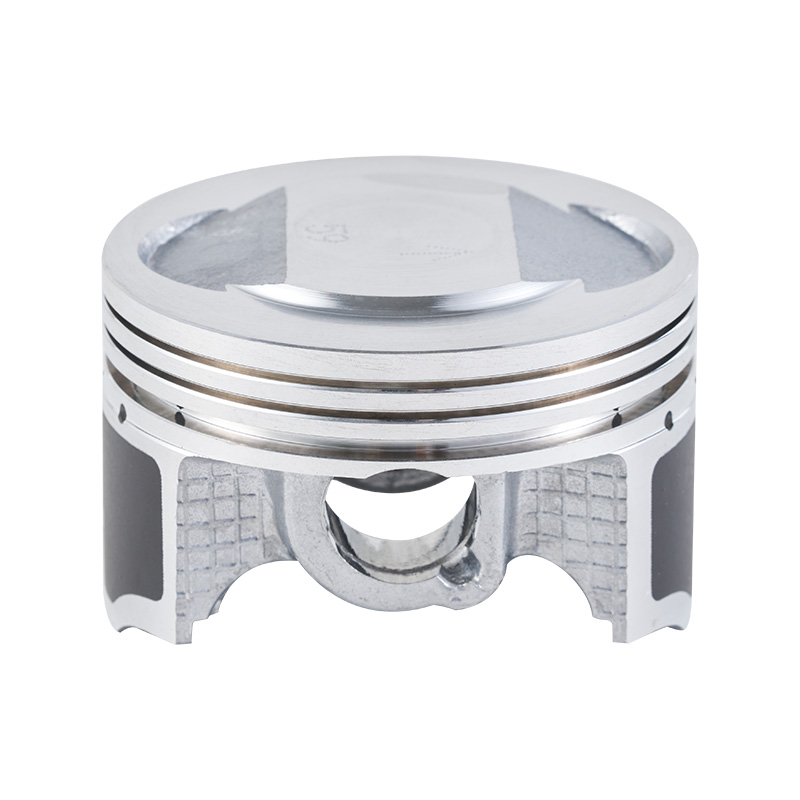
Related products
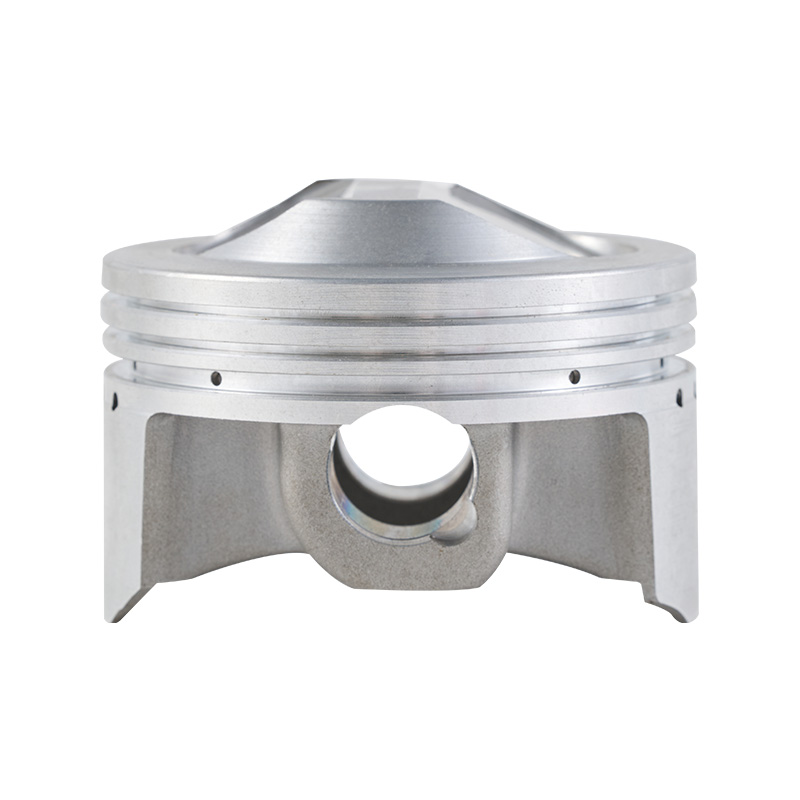
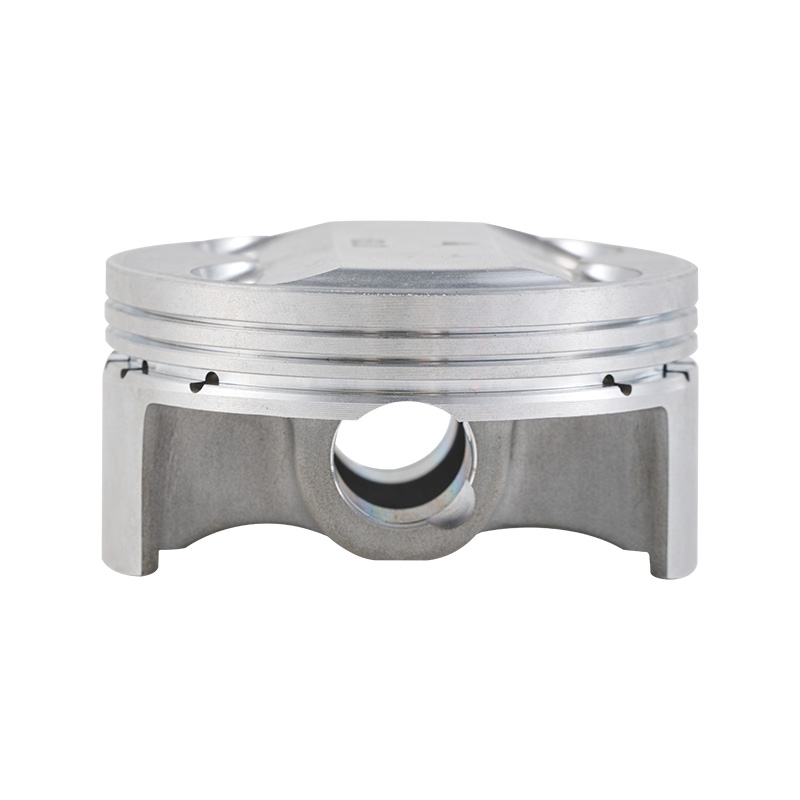
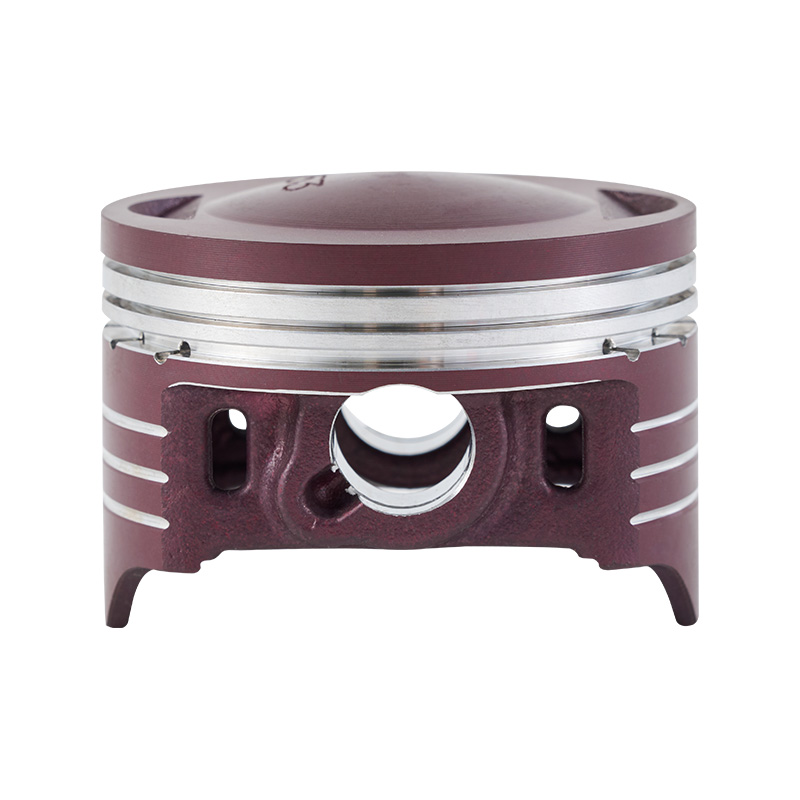
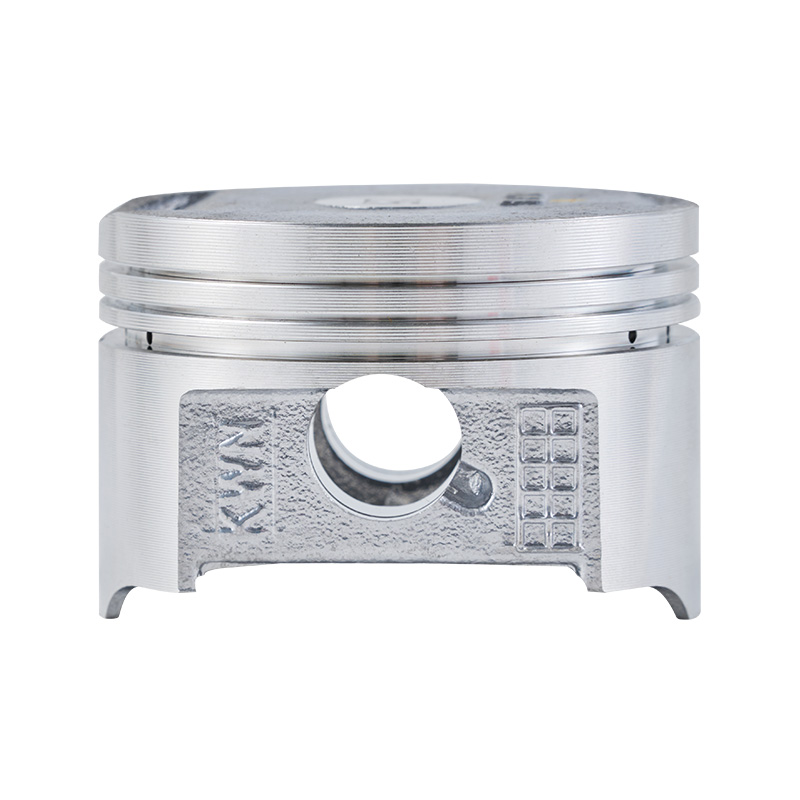
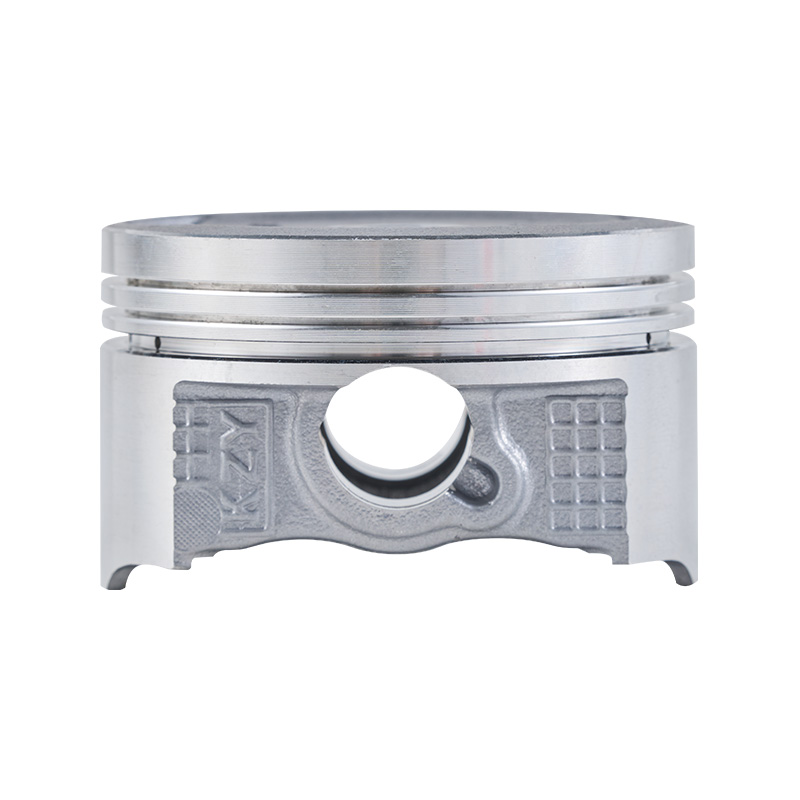
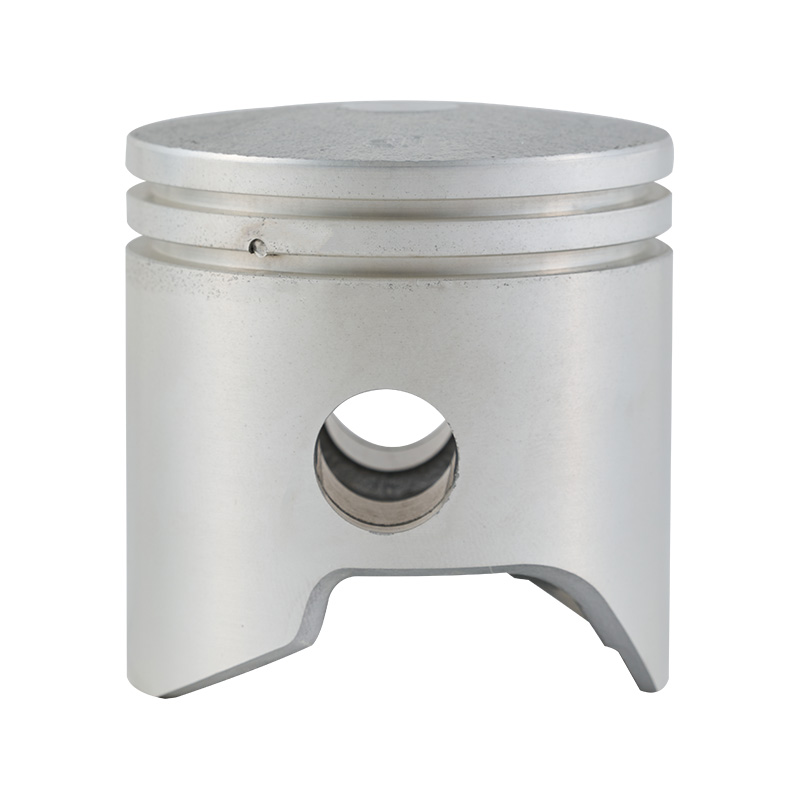

Ruian Zhengji Motorcycle Parts Co., Ltd. is a specialist piston manufacturer focused on global exports, as well as a provider of professional engine solutions. The company exports over 10 million pistons annually, offering OEM/ODM contract manufacturing and private-label services, with products covering three major sectors: automotive, motorcycles and outboard motors.
WeChat

© Ruian Zhengji Motorcycle Parts Co., Ltd.
OEM Motorcycle Parts Manufacturer
