

 Français
 中文简体
中文简体 Español
Outboard Motor Pistons: Big Impact on Marine Engines
Author: Zhengji
Date: Jun 12, 2026
An outboard motor lives a hard life. Saltwater. Humidity. Wide-open throttle for hours. The piston is at the center of it all. It moves up and down thousands of times per minute. It contains the combustion explosion. It transfers force to the crankshaft. An outboard motor piston needs to withstand all of that. Here is what buyers and rebuilders should know before buying.
What an Outboard Motor Piston Does
The piston converts combustion pressure into rotational force
Fuel and air mix in the cylinder. The spark plug ignites it. The explosion pushes the piston down. The connecting rod turns the crankshaft. The crankshaft turns the propeller. An outboard motor piston does this thousands of times per minute. For hours. For years.
The piston also seals the cylinder. Rings ride in grooves on the piston. The rings press against the cylinder wall. Compression stays in. Oil stays out.
Different outboards use different piston designs
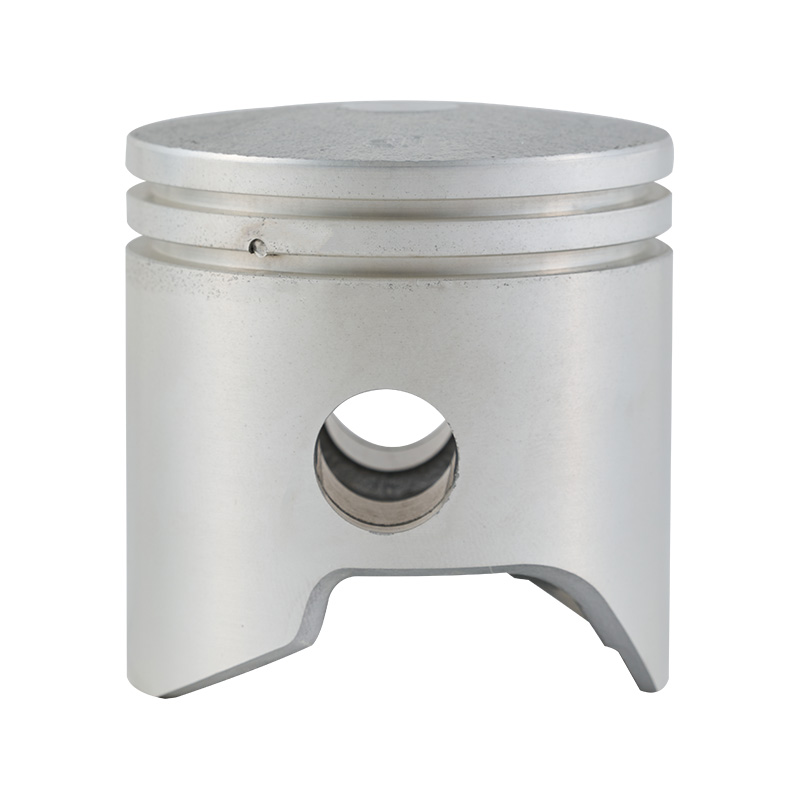
Two-stroke outboards fire every revolution. The piston has more rings. Two or three. The piston skirt is longer. The wrist pin is higher.
Four-stroke outboards fire every other revolution. The piston has fewer rings. One or two compression rings. One oil ring. The piston is shorter.
A outboard motor piston for a two-stroke will not work in a four-stroke. Different ring placement. Different wrist pin height.
Piston Materials and Construction
Aluminum alloy is standard for outboard pistons
Lots of outboard motor piston products are cast aluminum. 4032 alloy or 2618. 4032 has more silicon. Expands less. Good for stock engines. 2618 has less silicon. Stronger at high temperatures. Good for high-performance engines.
Forged pistons are stronger than cast. A forged outboard motor piston starts as a chunk of aluminum. A press smashes it into shape. The grain structure aligns. The piston resists cracking under high load.
Here is how piston types compare:
- Cast — cheaper, good for stock engines, less durable
- Forged — stronger, more expensive, for high-performance
- Hypereutectic — high silicon content, low expansion, wear resistant
Coating options extend piston life
A coated outboard motor piston has a dry-film lubricant on the skirt. The coating reduces friction. The piston lasts longer. The cylinder wall wears less.
Some pistons have an anodized crown. The anodizing resists heat. The piston top does not erode. Good for high-output engines.
Outboard Motor Piston Sizing
Standard and oversize pistons
Cylinders wear out of round. A outboard motor piston comes in standard size. Then oversize. +0.5mm. +1.0mm. The cylinder gets bored. The oversize piston fits. The engine runs like new.
Oversize pistons cost more than standard. The manufacturer machines a larger blank. Less common. Higher price.
Piston-to-cylinder clearance matters
Too tight, and the piston seizes. Too loose, and the piston slaps. The outboard motor piston manufacturer specifies a clearance. 0.05mm to 0.10mm for cast pistons. 0.10mm to 0.15mm for forged. Forged pistons expand more. They need more clearance.
Here is what clearance affects:
- Too tight — piston seizes, scuffs cylinder, engine locks up
- Too loose — piston slaps, noise, oil consumption
- Correct clearance — quiet, long life, good compression
What to Look for in Outboard Motor Pistons
Ring groove accuracy
The piston rings need to fit snugly in the grooves. A outboard motor piston with loose ring grooves leaks compression. The engine has less power. It burns oil.
Groove depth is also critical. Too shallow, and the ring sticks out. It hits the cylinder wall. Too deep, and the ring does not seal.
Wrist pin fit
The wrist pin connects the piston to the connecting rod. A outboard motor piston needs a wrist pin that fits. Not loose. Not tight. The pin should slide into the piston bore with light finger pressure. No hammer.
A loose pin knocks. A tight pin seizes. The connecting rod fails.
Ring material and type
The rings matter as much as the piston. A outboard motor piston kit includes rings. Chrome rings are hard. They last long. They take time to seat. Moly rings seat faster. They wear faster.
Here is what ring materials do:
- Chrome — hard, long life, slow to seat
- Moly — soft, seats fast, good for rebuilds
- Cast iron — standard, reliable, moderate life
- Stainless steel — corrosion resistant, for saltwater use
What Goes Wrong with Cheap Outboard Motor Pistons
The piston cracks from detonation
Cheap cast pistons are brittle. Detonation is uncontrolled explosion. The flame front collides. Pressure spikes. A outboard motor piston made from low-quality aluminum cracks. The piston skirt breaks off. The engine destroys itself.
The ring grooves wear out quickly
Soft aluminum. The rings hammer the groove. The groove widens. The ring moves up and down. It does not seal. Compression drops. Oil passes. The engine smokes.
The piston seizes in the cylinder
Too tight. Or the piston expands more than expected. A outboard motor piston with wrong clearance seizes. The piston stops moving. The connecting rod bends. The crankshaft breaks. The engine is scrap.
The wrist pin galling
The pin has no oil hole. Or the pin is rough. It galls against the piston bore. The pin locks. The piston cannot rock. The skirt cracks.
An outboard motor piston is a small part. It does a big job. Choose the right material. Cast for stock engines. Forged for high-performance.
Match the oversize to your cylinder bore. Use the manufacturer's clearance spec. Check ring groove fit. Test wrist pin fit.
A cheap piston saves money at purchase. It costs more in the long run. Engine failure. Tear-down. Replacement parts. Labor.
Buy from a known manufacturer. Get forged if you run hard. Check the clearance twice. Your outboard motor will run better. It will last longer. You will spend more time on the water and less time in the shop. That is the point of a rebuild. To get back out there. A good piston makes that happen.
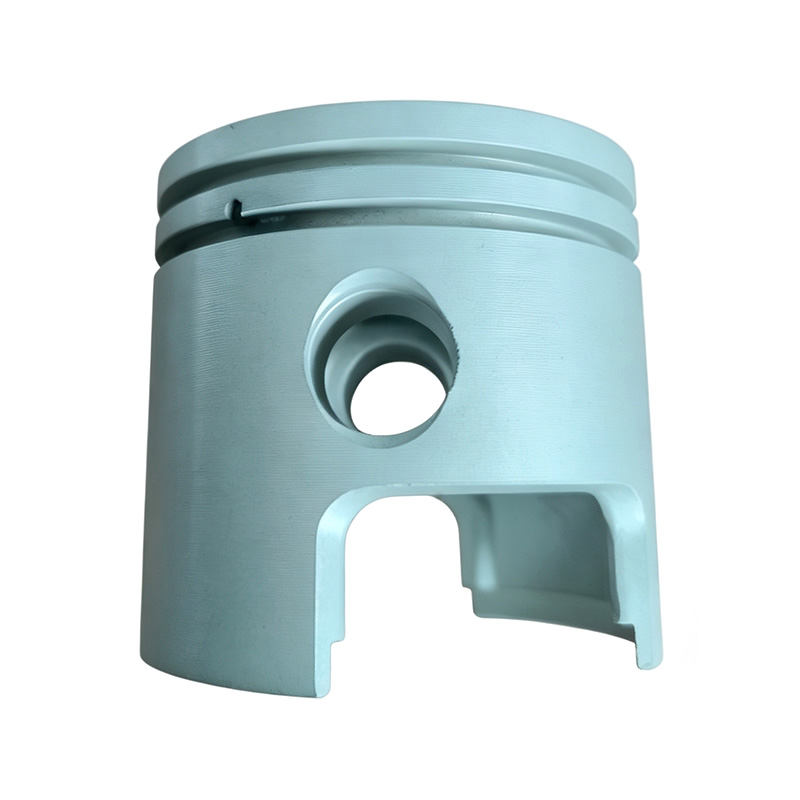
Related products
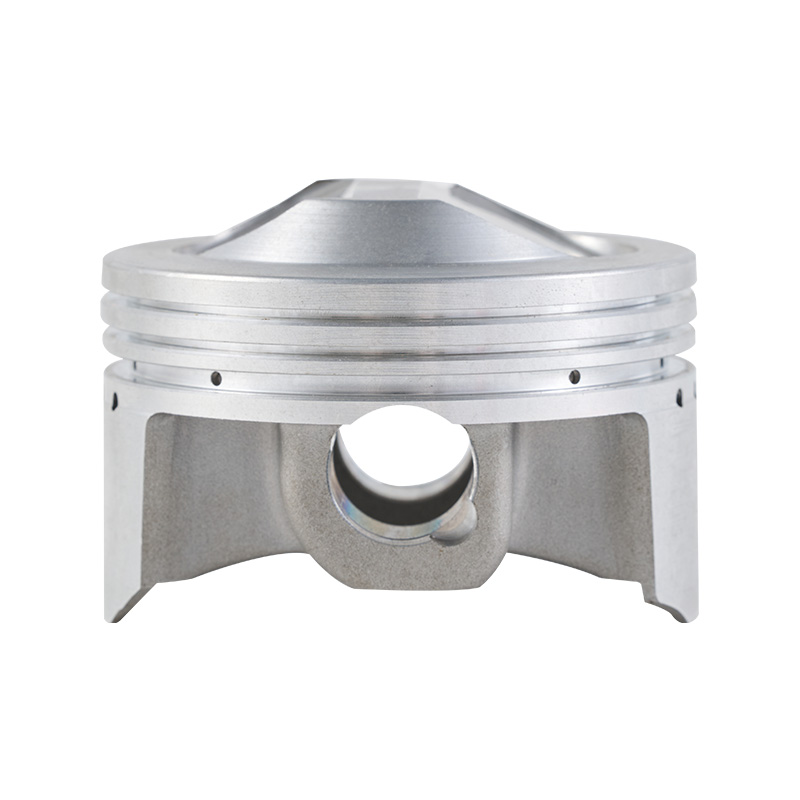
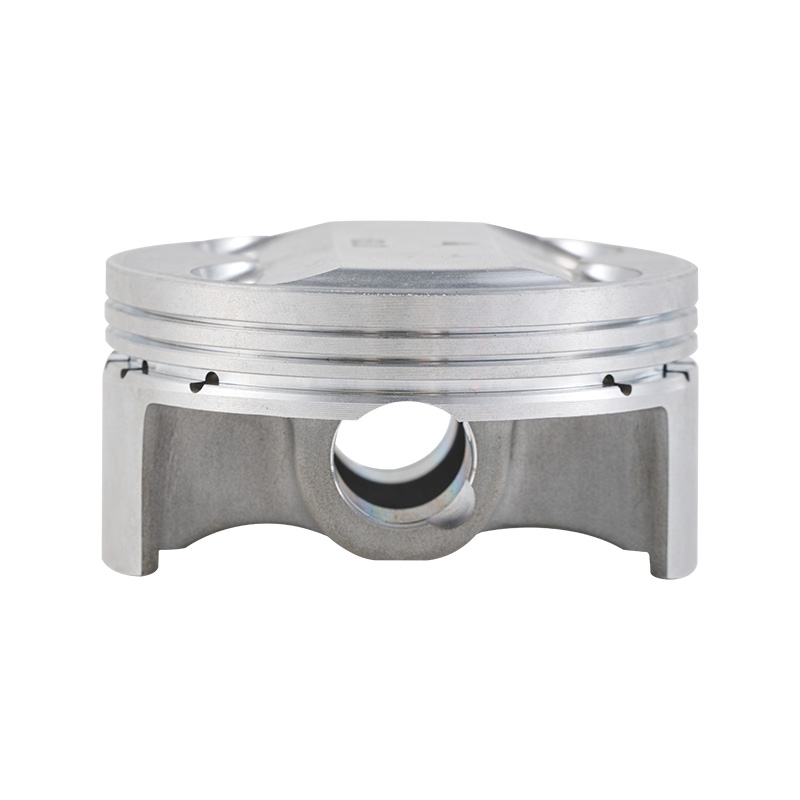
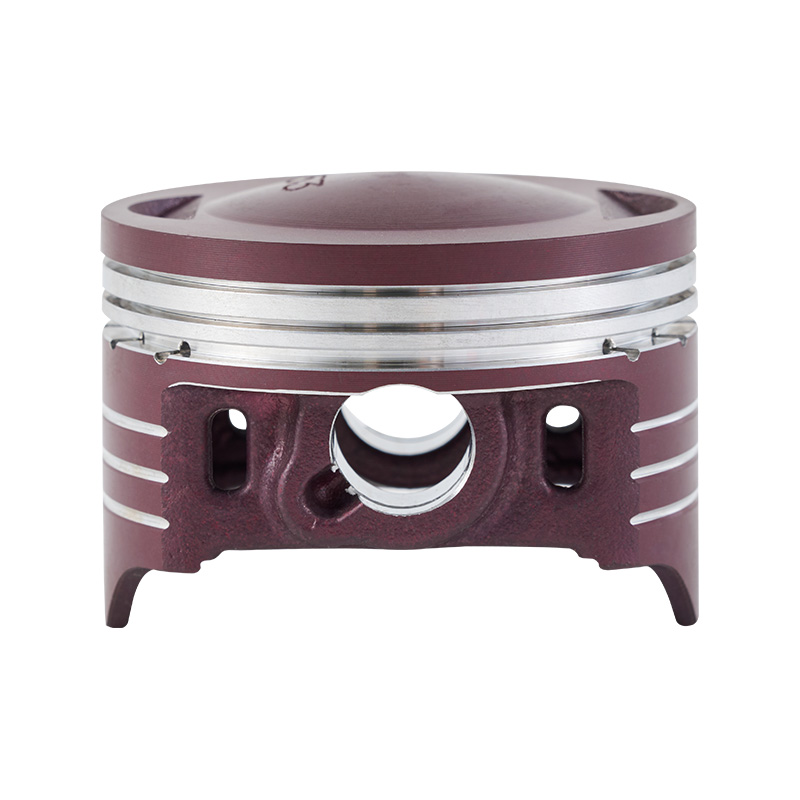

Ruian Zhengji Motorcycle Parts Co., Ltd. is a specialist piston manufacturer focused on global exports, as well as a provider of professional engine solutions. The company exports over 10 million pistons annually, offering OEM/ODM contract manufacturing and private-label services, with products covering three major sectors: automotive, motorcycles and outboard motors.
WeChat

© Ruian Zhengji Motorcycle Parts Co., Ltd.
OEM Motorcycle Parts Manufacturer
