

 Français
 中文简体
中文简体 Español
Custom Piston: Built for Your Engine, Not a Catalog
Author: Zhengji
Date: Jun 05, 2026
Off-the-shelf pistons work fine for stock engines. Rebuild a factory engine, and standard sizes fit. But modify the engine. Add boost. Raise compression. Change the bore or stroke. Standard pistons no longer work. A custom piston solves this. It gets designed and machined for your specific engine build, not pulled from a catalog. The dimensions, material, ring grooves, and pin height all match your rotating assembly. No compromises. No spacers. No band-aids.
What a Custom Piston Is and Why Standard Ones Do Not Always Fit
The piston converts combustion pressure into motion while sealing the cylinder
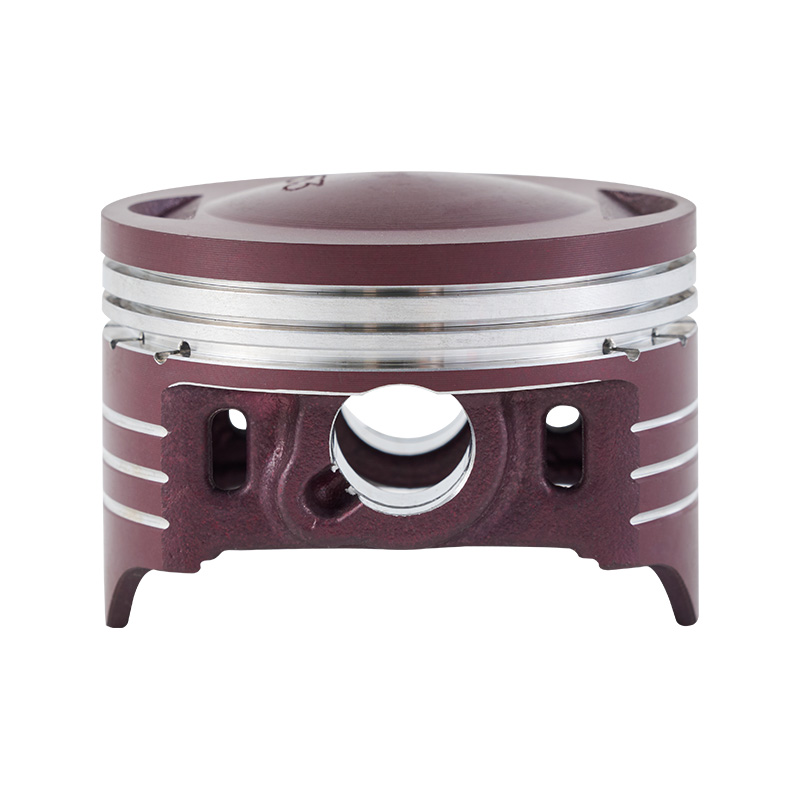
A piston is a simple part with a hard job. It slides up and down inside the cylinder thousands of times per minute. It seals combustion pressure. It transfers force to the connecting rod. It survives temperatures that melt aluminum. A custom piston starts with the same basic shape as a standard piston. But every dimension gets tailored to your engine.
Standard pistons come in fixed sizes. Oversized pistons for worn cylinders come in increments of 0.5 millimeters. If your cylinder needs a non-standard size, standard pistons do not fit. A custom piston gets machined to the exact diameter your machinist bored the cylinder.
Compression height is the common reason to go custom
Compression height is the distance from the wrist pin center to the piston top. Standard pistons have a fixed compression height. Change the connecting rod length or the crankshaft stroke, and the compression height changes. A custom piston adjusts the compression height to put the piston exactly where it belongs at top dead center.
Here is when you need a custom piston:
- Stroker crankshaft increases stroke length beyond stock
- Longer connecting rods improve rod ratio
- Deck height changed by machining the block surface
- Dome or dish volume needs precise matching for compression ratio
How Custom Pistons Get Made
Forging creates a strong grain structure for high-stress applications
A custom piston starts as a forging or a billet. Forging heats aluminum and presses it into a rough shape. The forging process aligns the grain structure of the metal. Aligned grain resists cracking under stress. Forged pistons are stronger than cast pistons. They cost more. They are worth it for high-performance engines.
Billet pistons get machined from solid bar stock. No forging grain alignment. But billet pistons have tighter dimensional accuracy than forgings. They work well for low-volume custom engines where forging setup costs are too high.
CNC machining creates the final shape with precise ring grooves and pin bores
After forging or billet preparation, a custom piston goes to a CNC machine. The machine cuts the ring grooves. It bores the wrist pin hole. It machines the dome or dish shape. Modern CNC machines hold tolerances within 0.01 millimeters. That matters. Loose ring grooves leak compression. Off-center pin holes cause piston slap.
The ring grooves need special attention. A custom piston has ring grooves cut for specific ring types. Gas porting adds small holes behind the top ring. Pressure from combustion pushes the ring against the cylinder wall. Better seal. Less blow-by.
What Makes One Custom Piston Better Than Another
Alloy selection affects strength and thermal expansion
Most custom piston products use 2618 or 4032 aluminum alloy. 2618 is stronger at high temperatures. Good for forced induction and nitrous engines. But 2618 expands more when hot. The piston needs more clearance when cold. Cold start piston slap is normal with 2618.
4032 alloy has more silicon. It expands less. It wears better. Piston to cylinder clearance is tighter. But 4032 is weaker at very high temperatures. For moderate performance engines, 4032 works fine. For high boost or high RPM, 2618 is safer.
Ring groove placement and pin height need to match your rotating assembly
A custom piston has ring grooves placed where they work outstanding for your application. Lower ring pack reduces crevice volume. Better for emissions and fuel efficiency. Higher ring pack keeps the top ring cooler. Better for high output.
The wrist pin location matters. Pin height determines where the piston sits in the cylinder. A custom piston manufacturer needs your rod length, stroke length, and deck height. Give them accurate numbers. Double check your measurements. A mistake means the piston sticks out of the bore or sits too deep.
What Can Go Wrong with Cheap Custom Pistons
Poor machining leads to seized pistons and broken ring lands
Cheap custom piston suppliers use worn CNC machines or skip final inspection. Ring grooves come out rough. Ring lands break under load. Pin bores are not round. The piston seizes on the pin. The engine fails after a few hundred miles.
The wrist pin fit is critical. The pin should slide into the piston bore with light finger pressure. No hammering. No wobble. A custom piston that requires force to install the pin has a bore size problem.
Incorrect material selection causes the piston to fail at operating temperature
A custom piston made from 4032 alloy in a high-boost turbo engine will melt. The ring lands collapse. The piston welds itself to the cylinder wall. The engine stops. The bill is large. A piston that survives needs the right material for the application.
Finding a Good Custom Piston Supplier
Ask about lead time and small order quantity
A custom piston takes time to make. Forging setup costs are high. A single piston costs much more than a set of four. Ask about lead time before ordering. Some suppliers deliver in two weeks. Some take two months. Plan your engine build accordingly.
Request material certificates and inspection reports
A serious custom piston supplier provides documentation. Material certs show the alloy composition. Inspection reports show final dimensions. No documentation means they did not check the work. Find another supplier.
A custom piston costs more than a standard piston. Sometimes twice as much. But when standard pistons do not fit, the choice is not between custom and cheap. The choice is between custom and not building the engine at all. For performance engines, stroker motors, and oddball restorations, custom is the only option. Spend the money. Get the right pistons the first time.
Related products
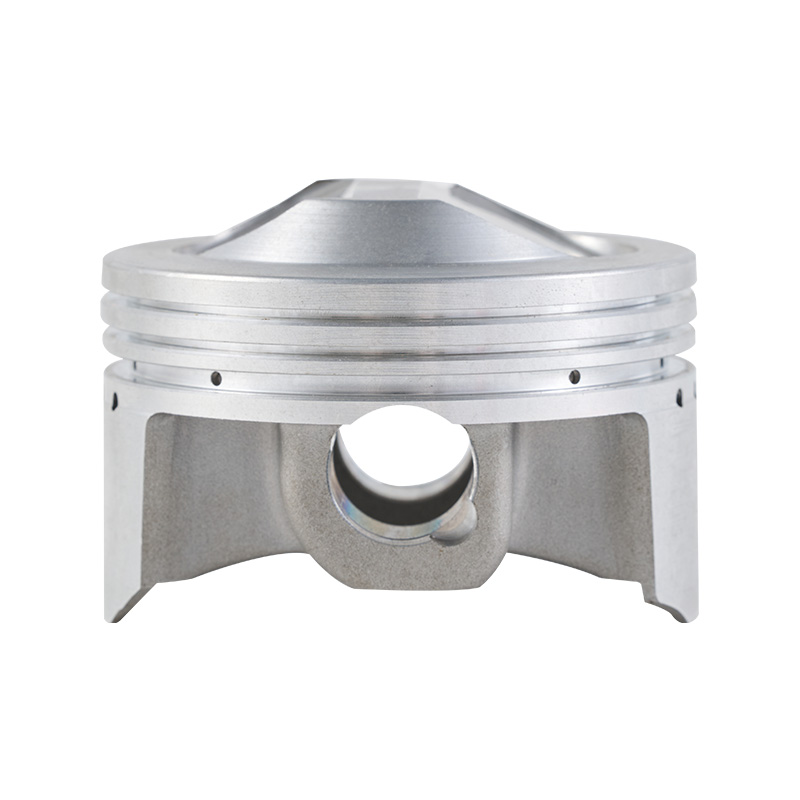
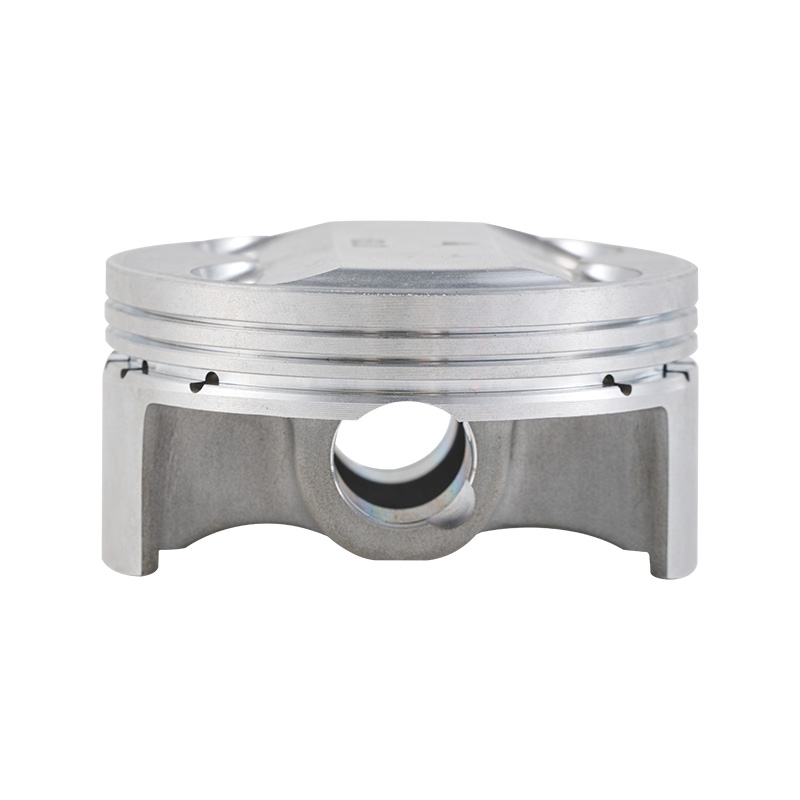
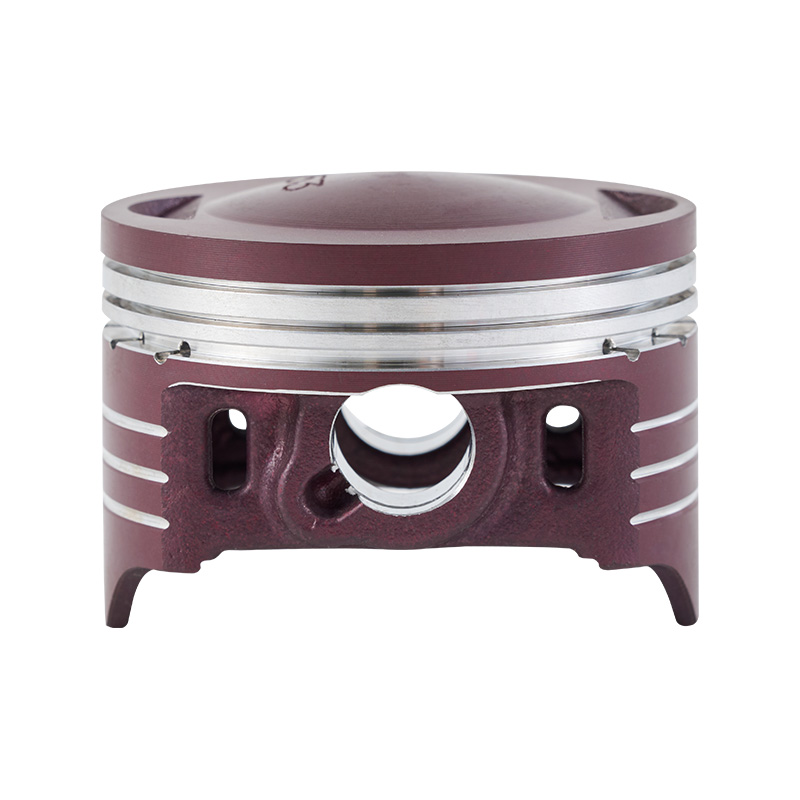
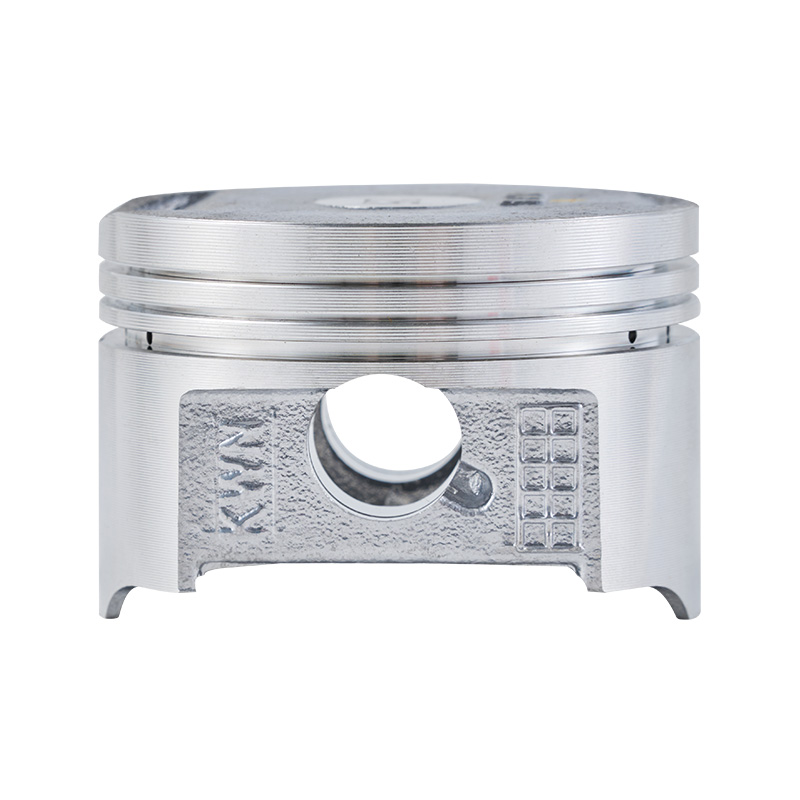
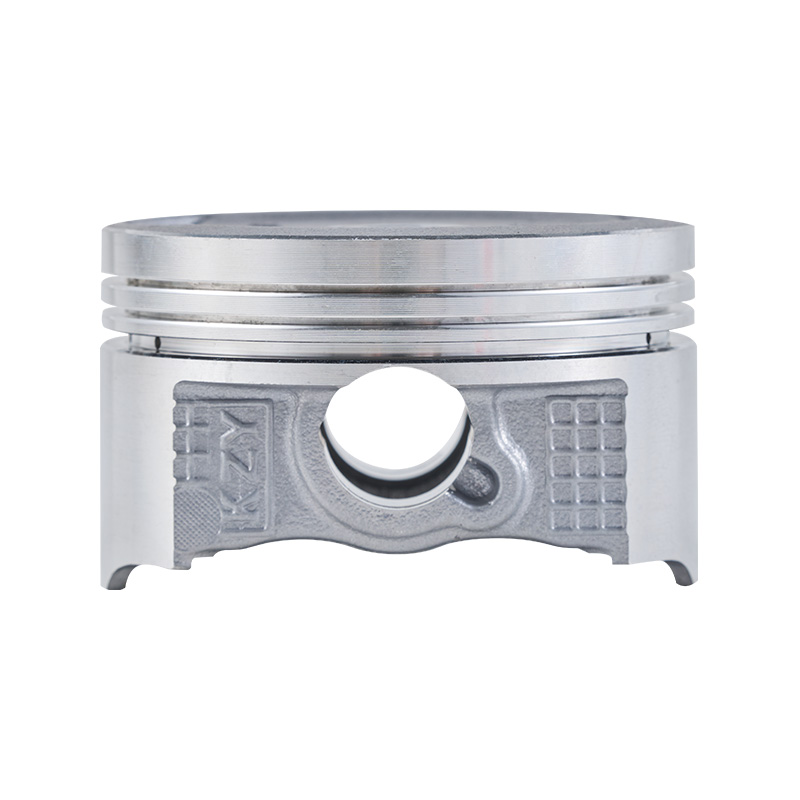
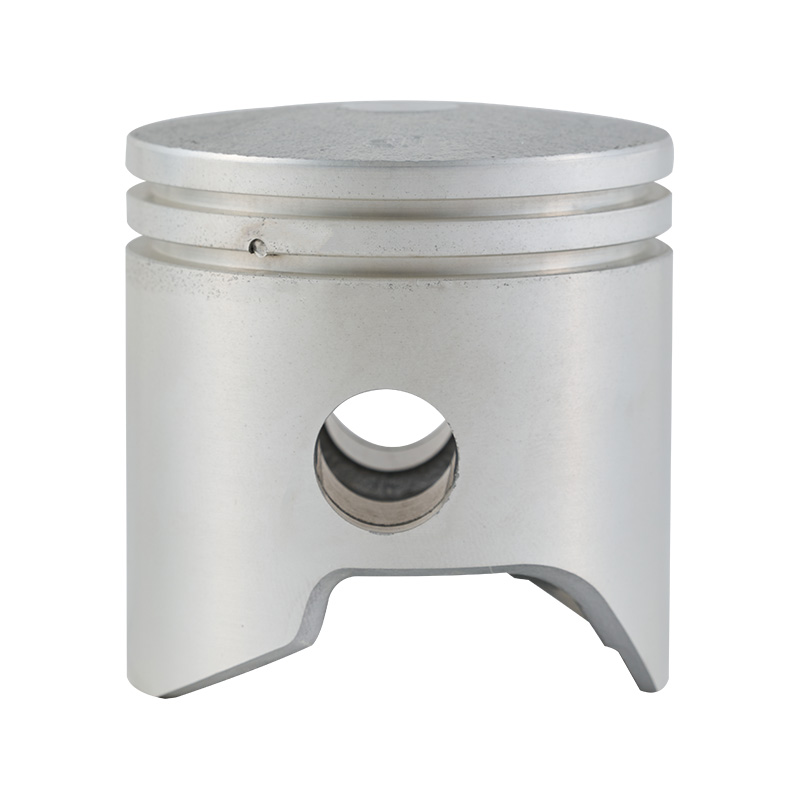

Ruian Zhengji Motorcycle Parts Co., Ltd. is a specialist piston manufacturer focused on global exports, as well as a provider of professional engine solutions. The company exports over 10 million pistons annually, offering OEM/ODM contract manufacturing and private-label services, with products covering three major sectors: automotive, motorcycles and outboard motors.
WeChat

© Ruian Zhengji Motorcycle Parts Co., Ltd.
OEM Motorcycle Parts Manufacturer
