

 Français
 中文简体
中文简体 Español
How are Outboard Motor Pistons designed for marine environments?
Author: Zhengji
Date: May 25, 2026
Marine engines work in conditions that constantly shift between load changes, moisture exposure, and long periods of idle operation. Inside these engines, Outboard Motor Pistons play a central mechanical role in converting combustion energy into movement. While the structure may seem simple, the working environment places continuous stress on each component, especially during extended boating use.
Understanding how these parts function and wear over time helps boat owners and technicians manage maintenance more effectively without unnecessary repairs or downtime.
How pistons operate inside an outboard motor
Inside a combustion engine, pistons move up and down within cylinders, creating the force needed to drive the crankshaft. In an outboard engine, this motion directly supports propulsion through the propeller system.
Outboard Motor Pistons must handle repeated pressure cycles as fuel ignites in the combustion chamber. Each cycle produces force that pushes the piston downward, and this motion repeats rapidly while the engine is running.
Because marine engines often operate under variable speed conditions, the pistons experience uneven load distribution. This is different from stationary engines that may run at consistent RPM levels for longer periods.
Material behavior in marine environments
Moisture and salt exposure are constant factors in marine settings. For this reason, Outboard Motor Pistons are usually manufactured with aluminum alloys or treated materials designed to handle heat and corrosion-related stress.
Thermal expansion is another consideration. As engines warm up during operation, piston dimensions shift slightly. Engineers account for this by designing controlled clearance between piston walls and cylinder liners.
Lubrication quality also plays a role. If oil circulation is inconsistent, friction levels increase, which may affect long-term movement stability. Regular oil checks help reduce unnecessary wear on internal components.
Common wear patterns and what causes them
Over time, Outboard Motor Pistons may show signs of surface wear, scoring, or carbon buildup. These patterns usually develop gradually and are influenced by fuel quality, operating conditions, and maintenance habits.
One common issue is uneven carbon deposits. This can occur when combustion is not fully efficient, especially during short trips where engines do not reach stable operating temperature.
Another pattern is ring wear, where piston rings lose sealing efficiency. This may affect compression levels and engine responsiveness. Technicians often inspect cylinder walls at the same time to evaluate overall internal condition.
Outboard Motor Pistons can also be affected by overheating, which may lead to slight deformation in extreme cases. This is why cooling system checks are often part of routine marine maintenance.
Maintenance routines and inspection approach
Regular inspection helps extend engine service intervals. Mechanics usually begin by checking compression levels, which can indicate whether piston movement is still consistent across all cylinders.
When disassembling an engine, Outboard Motor Pistons are visually inspected for scratches, discoloration, or ring alignment issues. Even small surface changes can provide information about combustion conditions.
Cleaning components during service also helps prevent residue buildup. Carbon deposits can be removed using specialized cleaning solutions designed for marine engines.
Reassembly requires careful alignment of piston rings and lubrication of contact surfaces. These steps reduce friction during initial startup after maintenance work.
Usage habits that influence piston condition
How a boat is operated often has a direct effect on internal engine parts. Short, frequent trips may not allow the engine to reach steady operating temperature, which can influence combustion efficiency.
On the other hand, long-distance cruising at consistent speed creates more stable conditions for Outboard Motor Pistons. However, sustained high-load operation may increase thermal stress if cooling systems are not maintained properly.
Fuel type and storage quality also matter. Poor-quality fuel can leave deposits that gradually affect combustion chambers and piston surfaces.
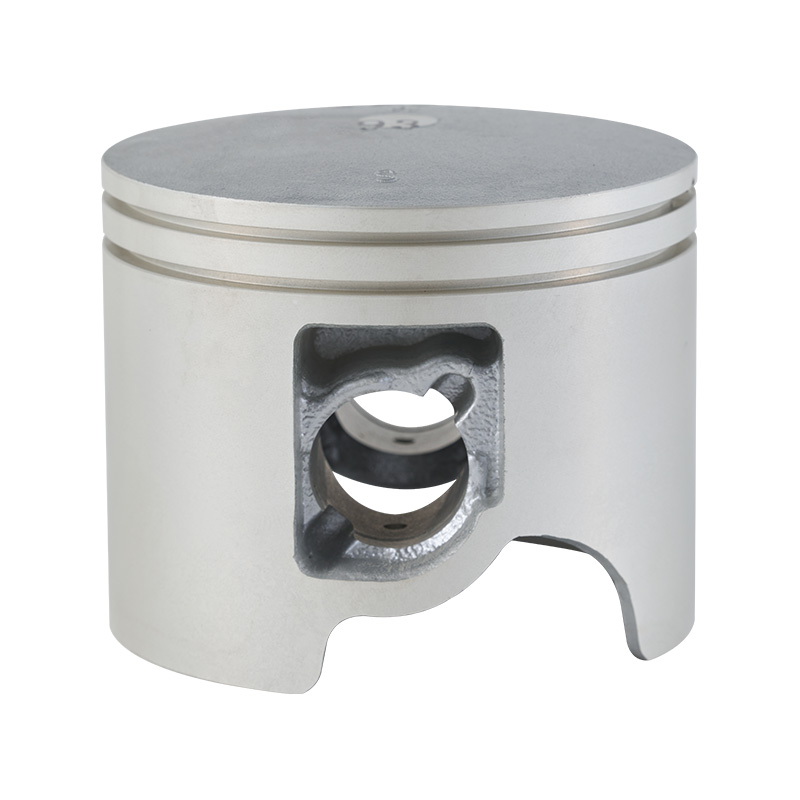
Outboard Motor Pistons are essential components in marine engines, working continuously under shifting load and environmental conditions. Their performance depends on material quality, lubrication, cooling efficiency, and user habits. Regular inspection and maintenance help identify early signs of wear and support steady engine operation across different boating conditions.
Related products
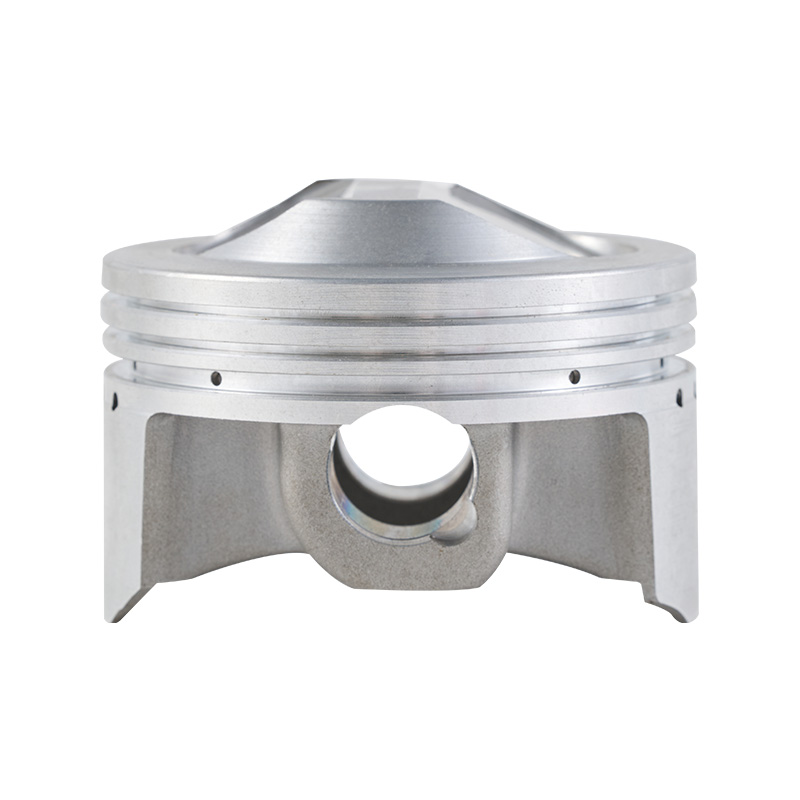
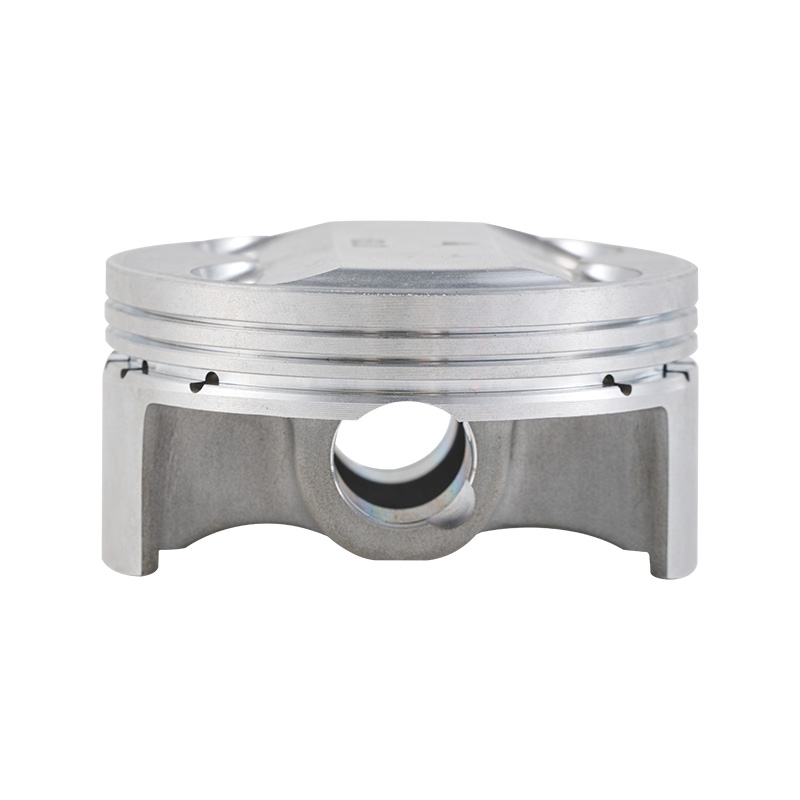
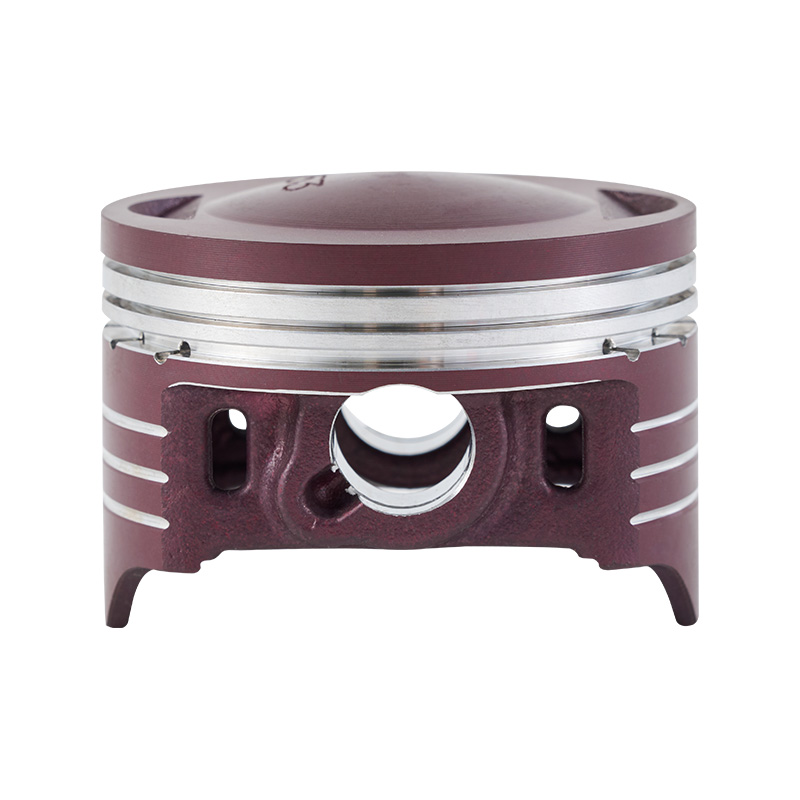
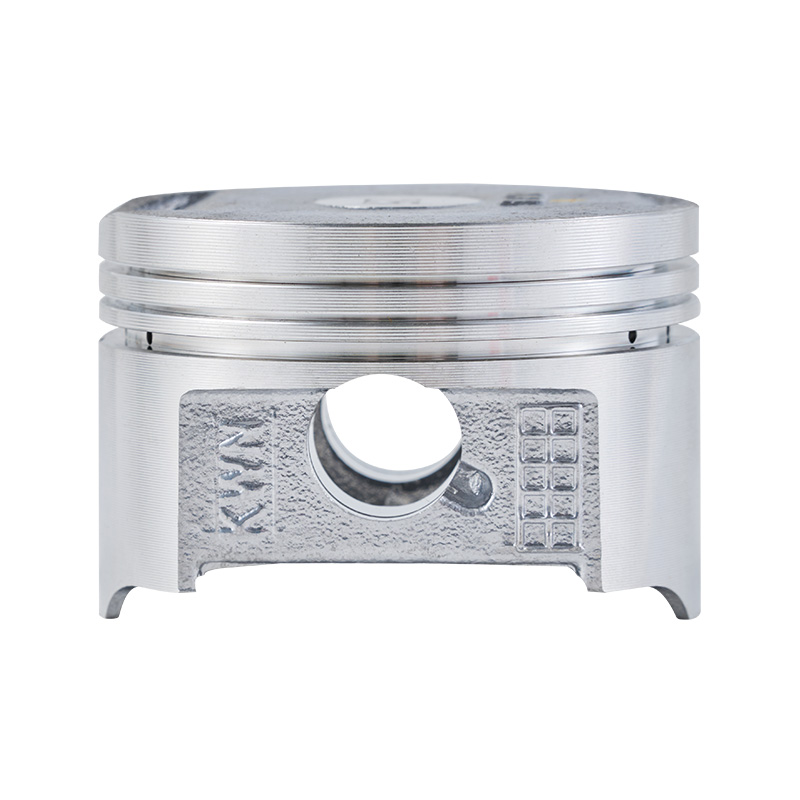
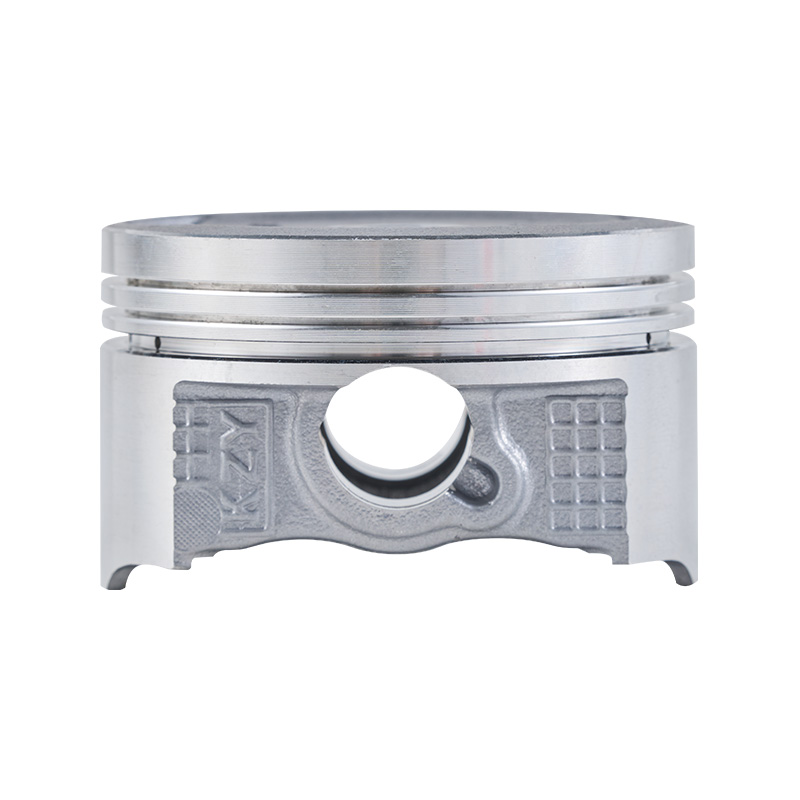
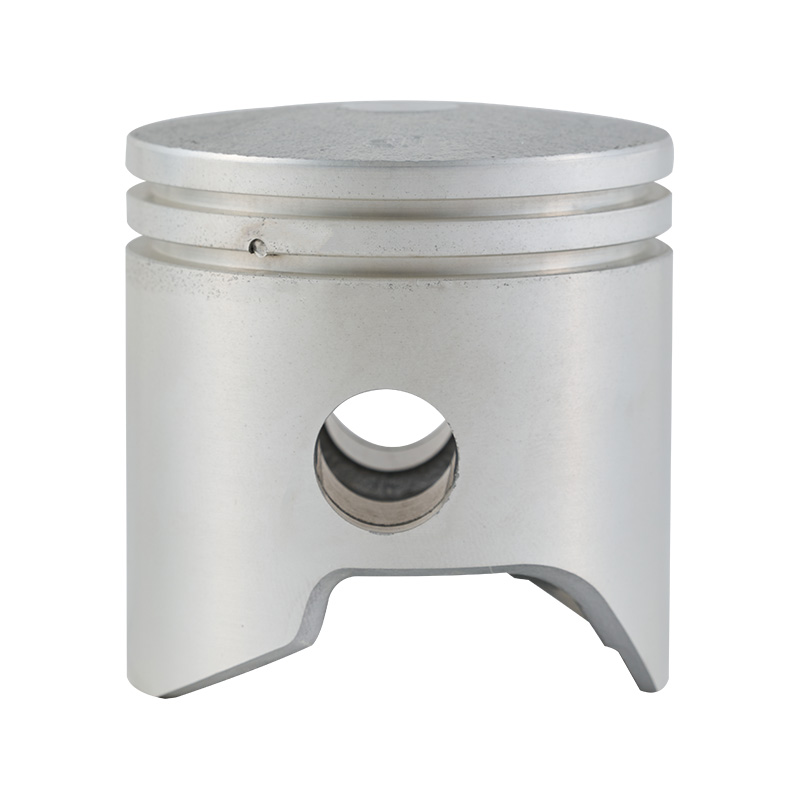

Ruian Zhengji Motorcycle Parts Co., Ltd. is a specialist piston manufacturer focused on global exports, as well as a provider of professional engine solutions. The company exports over 10 million pistons annually, offering OEM/ODM contract manufacturing and private-label services, with products covering three major sectors: automotive, motorcycles and outboard motors.
WeChat

© Ruian Zhengji Motorcycle Parts Co., Ltd.
OEM Motorcycle Parts Manufacturer
