

 Français
 中文简体
中文简体 Español
OEM Piston Manufacturer: Building Engines That Last
Author: Zhengji
Date: Jun 19, 2026
An engine is only as good as its parts. The piston is one of the very critical. It moves up and down thousands of times per minute. It takes the heat of combustion. It transfers power to the crankshaft. An OEM piston manufacturer produces pistons that meet factory specifications. Here is what buyers should know.
What OEM Means for Pistons
OEM stands for Original Equipment Manufacturer
An OEM piston manufacturer makes pistons for engine builders. The pistons match the original design. Same material. Same dimensions. Same performance.
Aftermarket pistons are different. They might be cheaper. They might use different materials. They might not fit as well. An OEM piston manufacturer builds to the original spec.
OEM pistons are designed for the specific engine
Every engine has its own piston design. The piston skirt length. The ring groove placement. The wrist pin height. An OEM piston manufacturer builds each piston for that engine.
An aftermarket piston might be a one-size-fits-all design. It fits multiple engines. It does not fit any perfectly.
Materials for OEM Pistons
Aluminum alloy is standard
very pistons are aluminum. 4032 alloy for standard engines. 2618 alloy for high-performance. An OEM piston manufacturer uses the alloy specified by the engine designer.
Cast pistons for standard engines
Cast pistons are the very common. They are less expensive. They work well for everyday driving. An OEM piston manufacturer casts pistons in high volume.
Forged pistons for high-performance engines
Forged pistons are stronger. They withstand higher temperatures. They resist cracking. An OEM piston manufacturer forges pistons for turbocharged and high-compression engines.
Here is how piston types compare:
- Cast — standard engines, lower cost, good for daily driving
- Forged — high-performance, stronger, more expensive
- Hypereutectic — high silicon content, wear resistant, low expansion
What to Look for in an OEM Piston Manufacturer
Precision machining
The piston must meet exact dimensions. The ring grooves must be square. The wrist pin hole must be round. An OEM piston manufacturer uses CNC machining. The tolerances are tight.
Quality control
Every piston should be inspected. An OEM piston manufacturer checks each one. Weight, dimensions, and surface finish are all measured. Bad pistons are rejected.
Material certification
The manufacturer should provide material certificates. The alloy is verified. The heat treatment is documented. An OEM piston manufacturer with certifications is reliable.
Ring groove accuracy
The rings must fit perfectly. A loose groove leaks compression. A tight groove binds. An OEM piston manufacturer cuts grooves to precise depth and width.
Here is what to check in an OEM piston:
- Dimensional accuracy — matches the original design
- Material quality — certified alloy
- Ring grooves — correct depth and width
- Wrist pin fit — smooth, no binding
Common Problems with OEM Pistons
The piston is too heavy
Some manufacturers use cheaper materials. The piston is heavier than the original. The engine vibrates. The crankshaft is stressed.
The ring grooves are too shallow
The ring does not seat properly. Compression leaks. The engine loses power.
The wrist pin is too tight
The pin binds in the piston bore. The piston cannot rock. The skirt cracks.
The piston is not the same shape
The skirt profile is different. The piston slaps. The engine is noisy.
An OEM piston manufacturer is a critical supplier. The pistons must be right. One bad batch can ruin an engine line. Look for precision machining, quality control, and material certification. A good manufacturer delivers pistons that fit and perform. A bad one causes problems. The engine fails. The warranty claims pile up. That is not worth the savings. Choose a manufacturer that builds to the original spec. Your engines will last. Your customers will be happy. Your reputation will stay intact. That is what OEM means. The original standard.
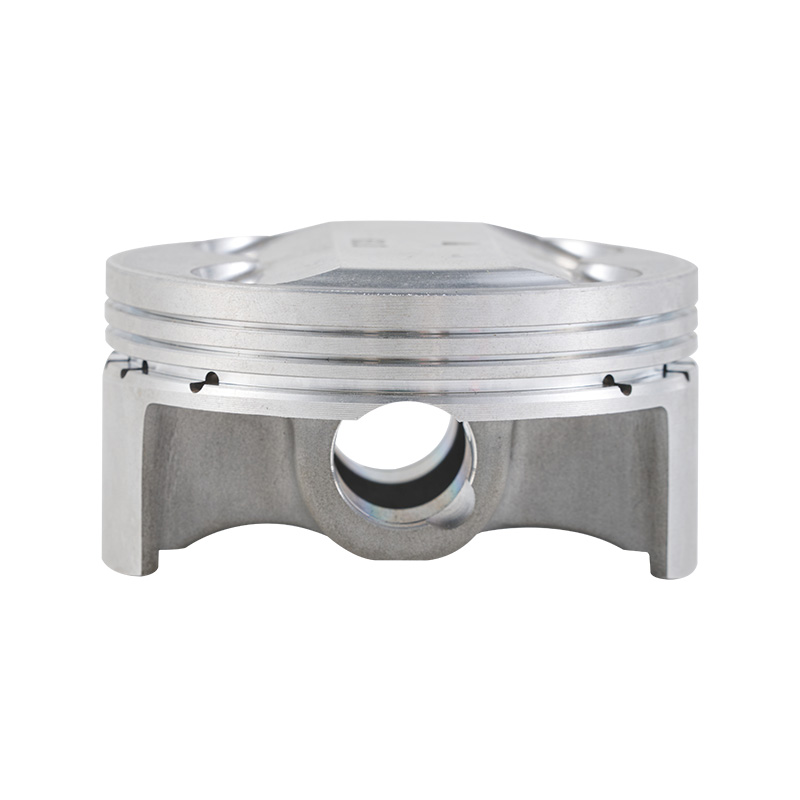
Related products
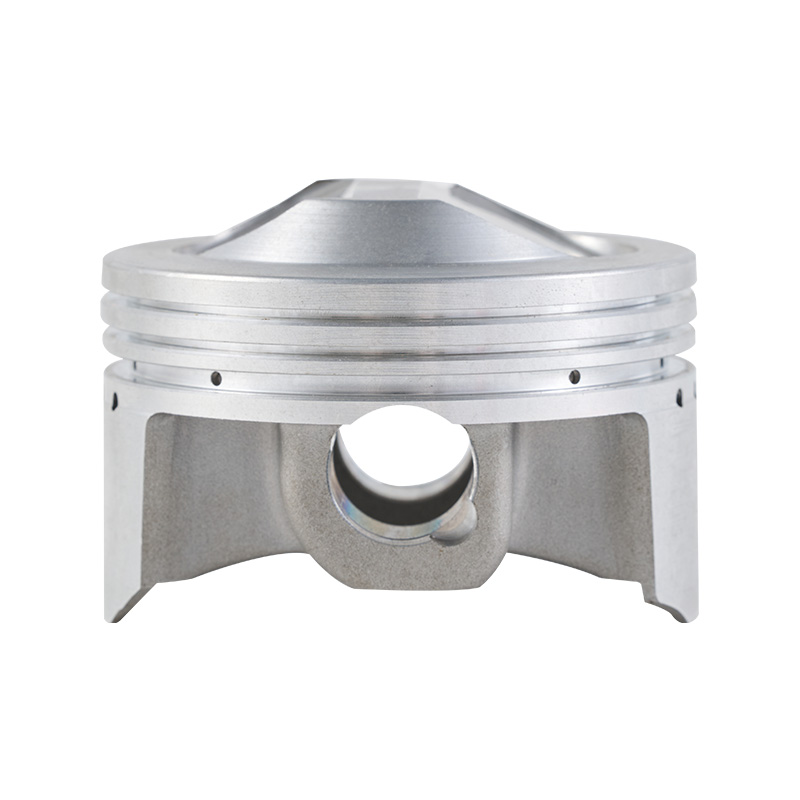
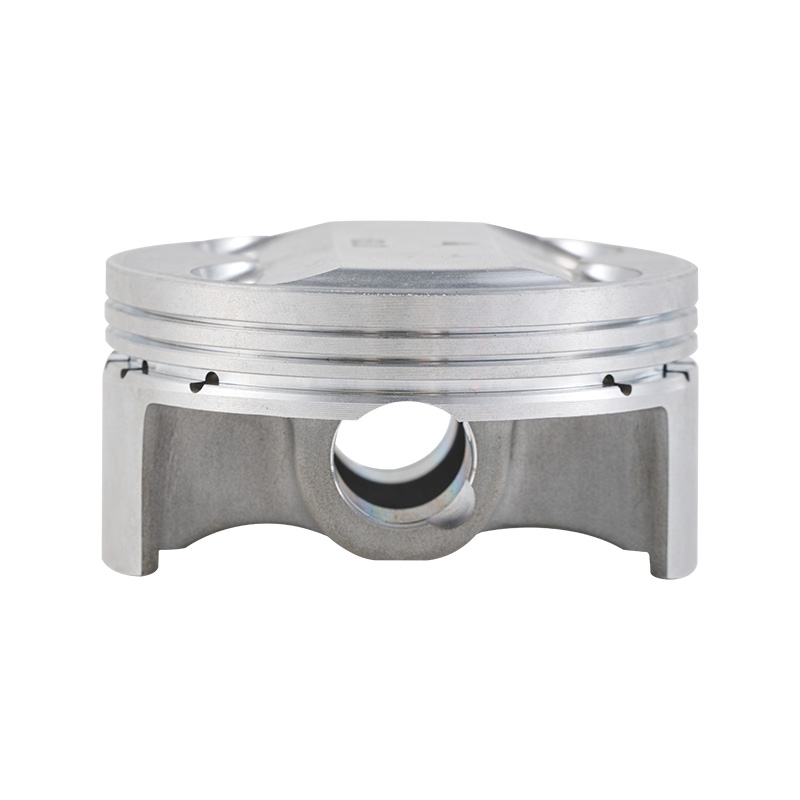
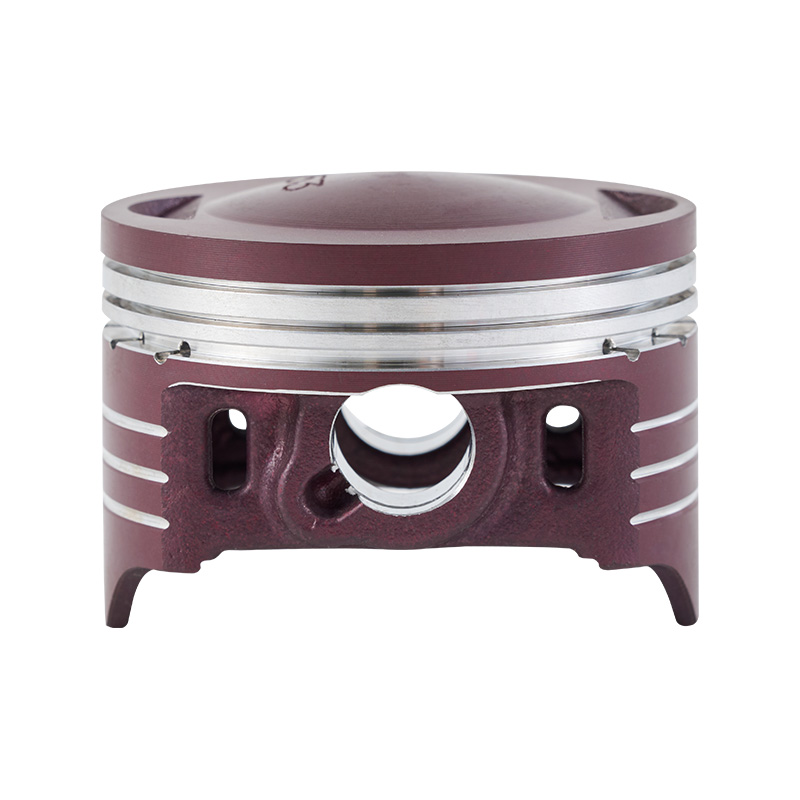
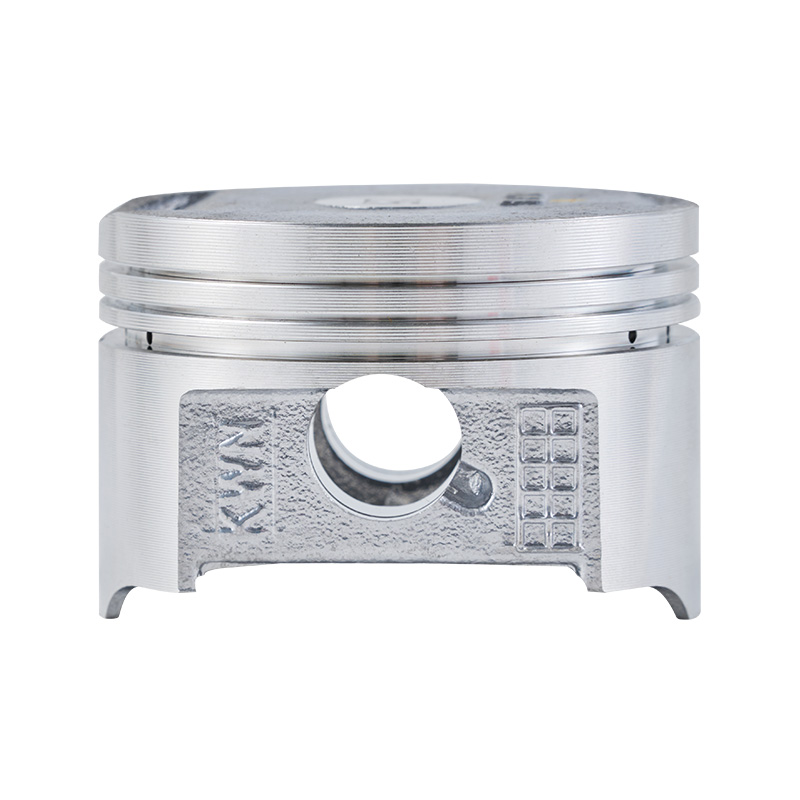
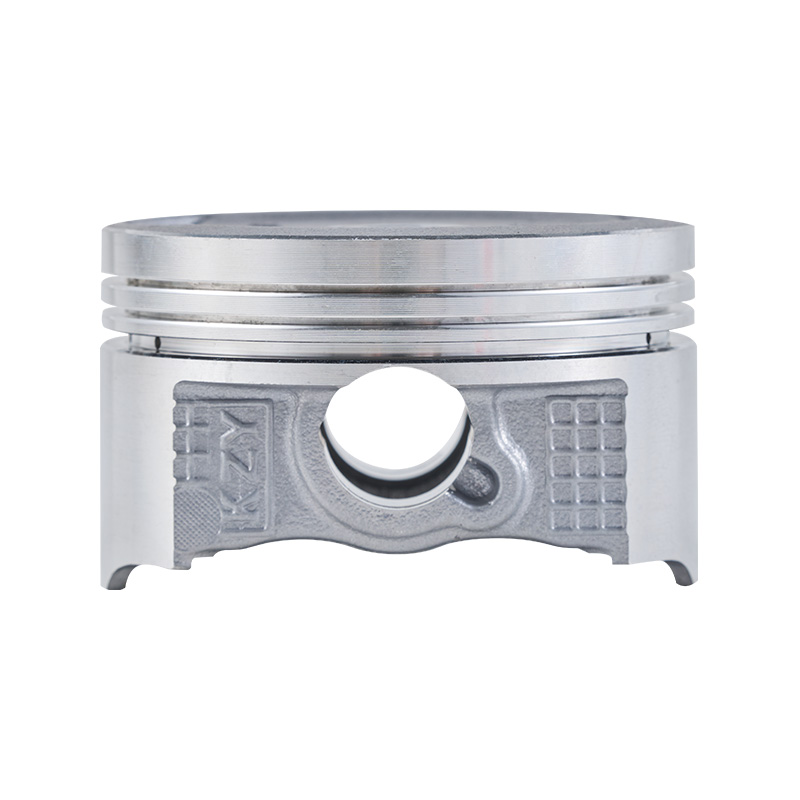
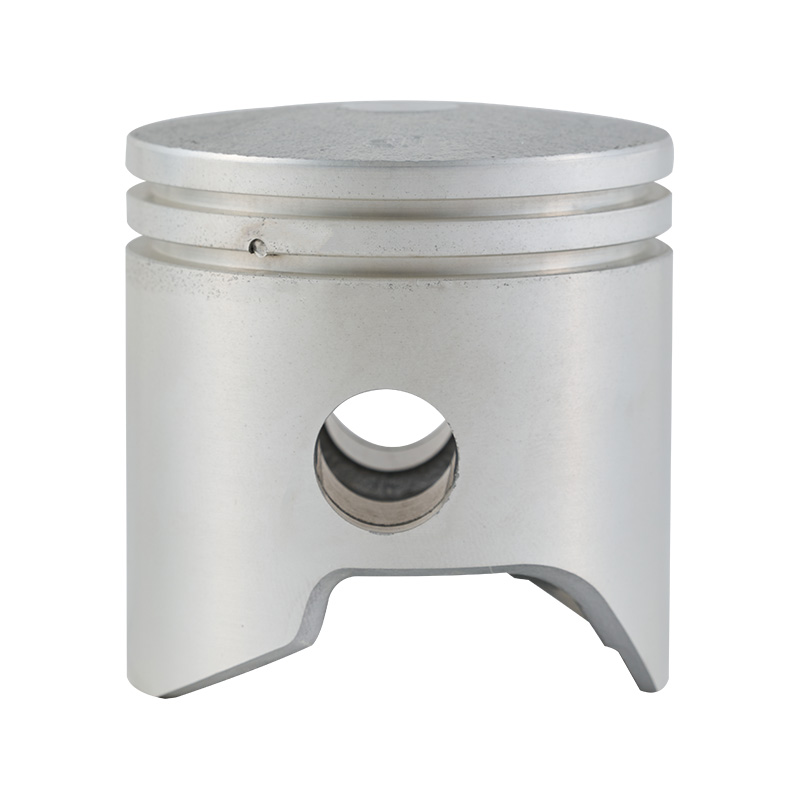

Ruian Zhengji Motorcycle Parts Co., Ltd. is a specialist piston manufacturer focused on global exports, as well as a provider of professional engine solutions. The company exports over 10 million pistons annually, offering OEM/ODM contract manufacturing and private-label services, with products covering three major sectors: automotive, motorcycles and outboard motors.
WeChat

© Ruian Zhengji Motorcycle Parts Co., Ltd.
OEM Motorcycle Parts Manufacturer
