

 Français
 中文简体
中文简体 Español
The Precision Behind Every Engine's Power
Author: Zhengji
Date: Mar 06, 2026
Understanding OEM Manufacturing Standards
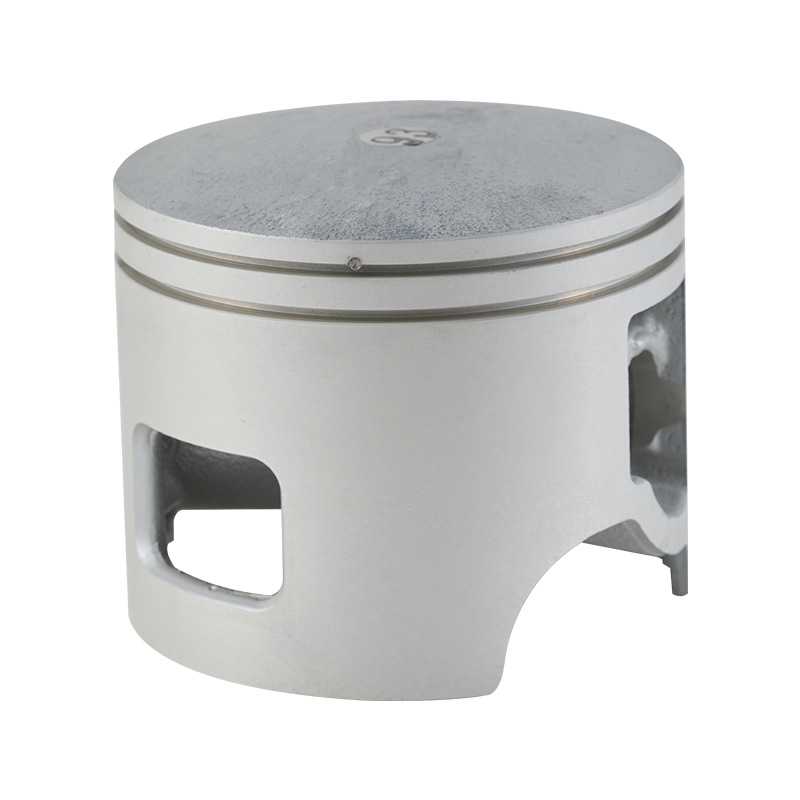
Original Equipment Manufacturer pistons differ fundamentally from aftermarket replacements in ways that affect engine performance and longevity. An OEM piston manufacturer produces components meeting the exact specifications of vehicle makers, supplying parts that go into new engines directly on assembly lines around the world. These pistons match every dimension, material property, and performance characteristic established during years of engine development and validation testing. The rigorous standards ensure consistent operation across millions of vehicles bearing the same brand name, providing the reliability customers expect when purchasing new cars, trucks, and equipment.
Material Selection Criteria for Different Applications
Piston alloys undergo careful selection based on engine requirements and operating conditions that vary tremendously across applications. Aluminum alloys dominate automotive applications, offering lightweight properties reducing reciprocating mass for better fuel efficiency and smoother operation. High-silicon aluminum compositions provide enhanced wear resistance while maintaining thermal conductivity needed for heat dissipation through rings and skirts. Steel alloys appear in heavy-duty diesel applications where extreme cylinder pressures demand additional strength beyond aluminum capabilities. A quality OEM piston manufacturer matches material precisely to each engine design, considering factors like operating temperature, peak pressure, and expected service life during development.
Manufacturing Processes Creating Precision
Production begins with raw material casting or forging, depending on performance requirements for each specific application. Cast pistons suit standard automotive applications where cost efficiency matters and stress levels remain moderate during normal operation. Forged versions serve high-performance and heavy-duty applications requiring maximum strength to withstand extreme cylinder pressures without deformation. CNC machining operations create final dimensions with tolerances measured in microns, ensuring each piston fits its matching cylinder bore precisely. Ring grooves receive precise finishing, ensuring proper sealing against compression loss and oil consumption throughout engine life. A precision-focused OEM piston manufacturer controls every process ste,p maintaining consistency across production batches measured in millions of units.
Design Features Enhancing Performance
Modern piston designs incorporate sophisticated features enhancing engine operation beyond basic function. Cooling galleries behind ring belts allow oil circulation, removing heat from high-temperature zones near combustion chambers. Skirt coatings reduce friction during cold starts before full lubrication develops, improving fuel economy and reducing wear during warm-up. Valve pockets provide clearance, preventing interference in high-compression designs where valves and pistons share minimal clearance. Wrist pin bosses position accurately for optimal connecting rod alignment, reducing friction and enabling smooth power transfer. A thoughtful OEM piston manufacturer integrates these features,s matching original engine development specifications determined during thousands of hours of testing.
Quality Certification Requirements for Suppliers
Supplying vehicle manufacturers demands rigorous quality system certification far beyond typical manufacturing credentials. IATF 16949 represents the automotive industry standard for production facilities, extending beyond general ISO requirements with additional automotive-specific provisions. Facilities undergo regular audits verifying compliance with strict documentation and process control standards that leave nothing to chance. Testing laboratories maintain equipment calibrated to national standards with complete traceability documentation. A certified OEM piston manufacturer demonstrates capability through maintained credentials recognized throughout the automotive industry as evidence of reliable quality systems.
Production Capacity Meeting Global Demand
Volume requirements for OEM supply far exceed aftermarket replacement quantities by substantial margins. Major manufacturers operate facilities producing millions of pistons annually across multiple product lines, serving various vehicle platforms simultaneously. Automated production lines run continuously with minimal human intervention, maintaining consistent quality across three shifts daily. Statistical process control monitors dimensions throughout production runs, detecting variations before they exceed specifications and allowing immediate correction. A capable OEM piston manufacturer maintains capacity meeting demanding delivery schedules without compromising quality, ensuring assembly lines never stop waiting for components.
Related products
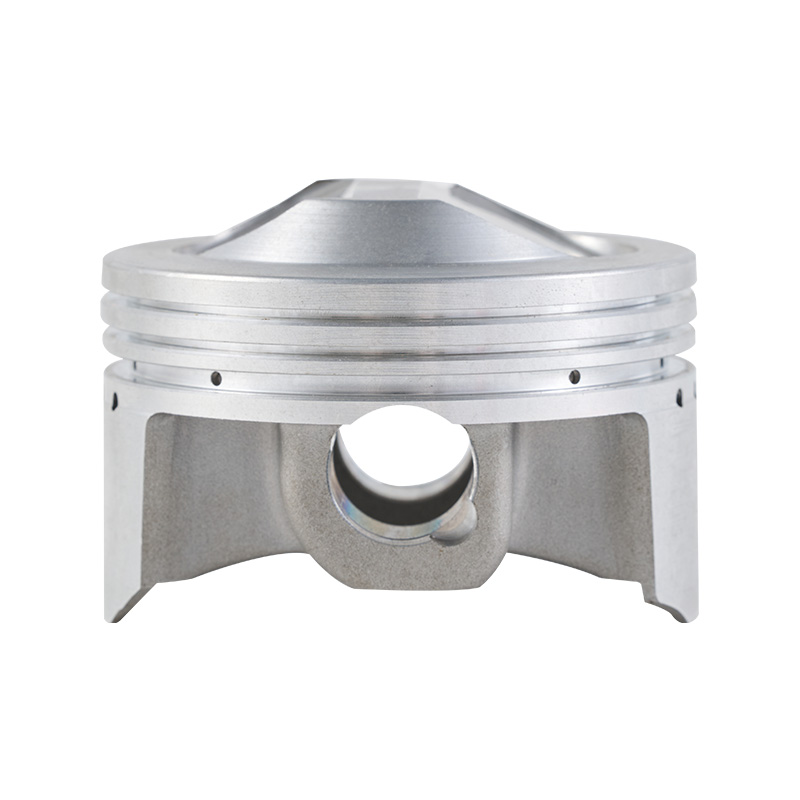
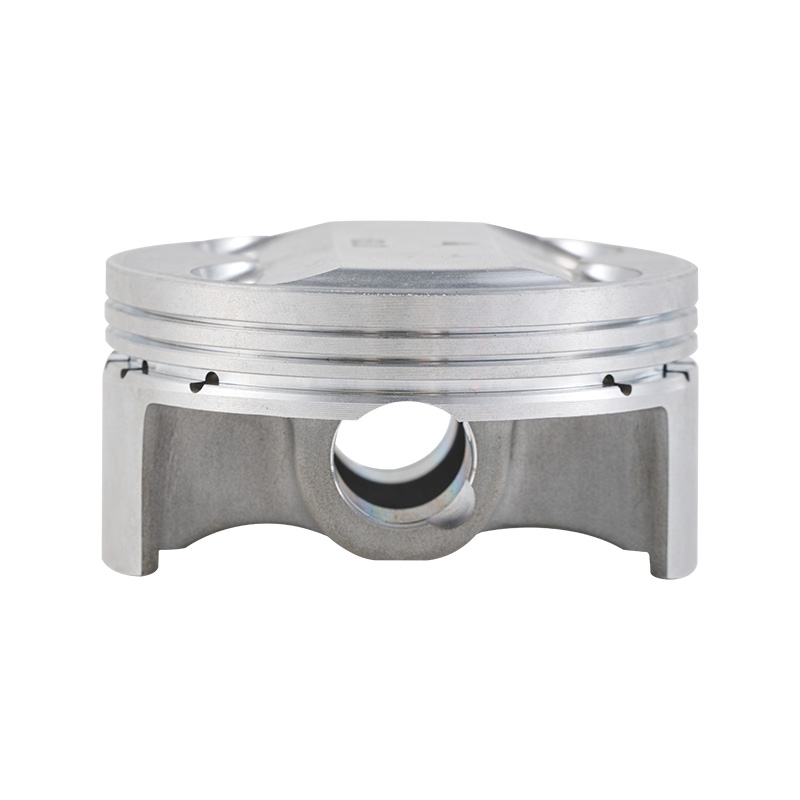
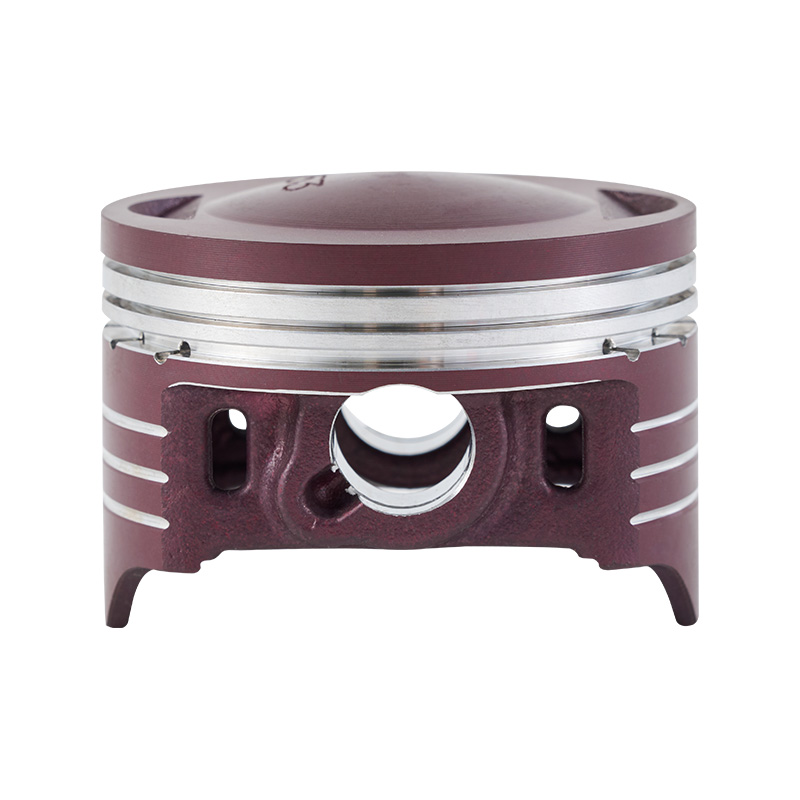
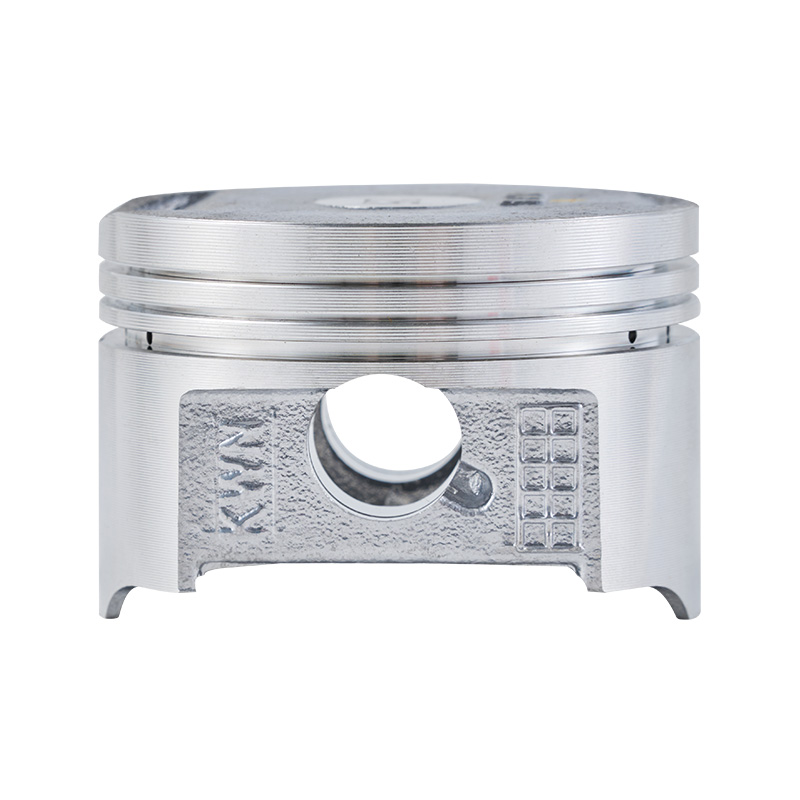
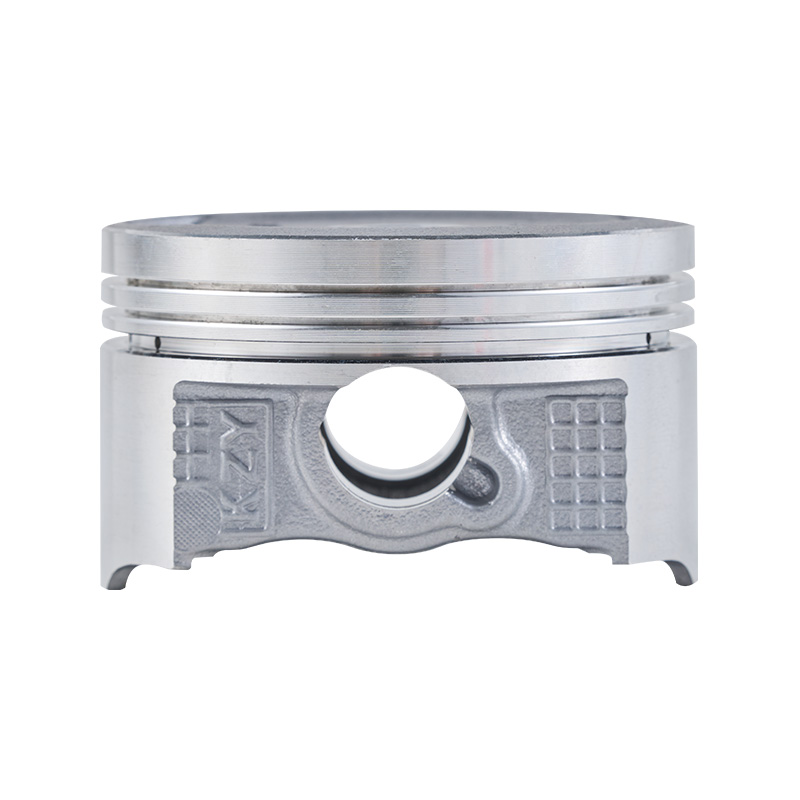
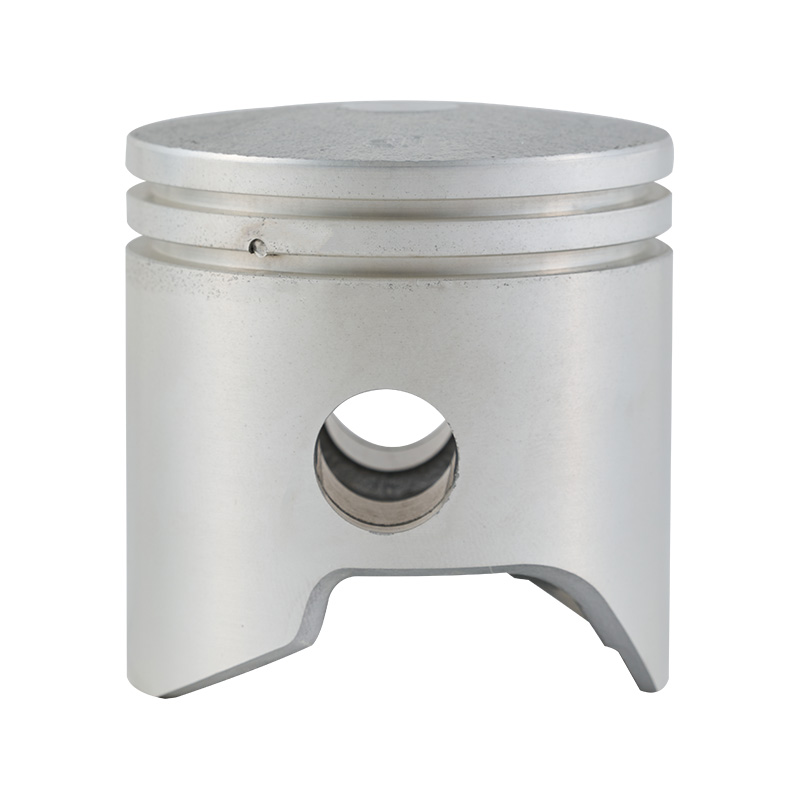

Ruian Zhengji Motorcycle Parts Co., Ltd. is a specialist piston manufacturer focused on global exports, as well as a provider of professional engine solutions. The company exports over 10 million pistons annually, offering OEM/ODM contract manufacturing and private-label services, with products covering three major sectors: automotive, motorcycles and outboard motors.
WeChat

© Ruian Zhengji Motorcycle Parts Co., Ltd.
OEM Motorcycle Parts Manufacturer
