

 Français
 中文简体
中文简体 Español
Everything Needed for a Proper Engine Rebuild
Author: Zhengji
Date: Mar 13, 2026
What Makes a Complete Piston Kit
When engines wear out, replacing individual pistons rarely makes sense. A proper repair demands matching components designed to work together as complete systems. An engine repair piston kit typically includes pistons, piston rings, wrist pins, and circlips all packaged together for convenient rebuilding. Some comprehensive kits also contain connecting rod bearings, gaskets, and seals needed for complete overhaul. This bundled approach ensures all wear items receive attention simultaneously, preventing premature failure from mixed old and new components.
Piston Selection for Specific Applications
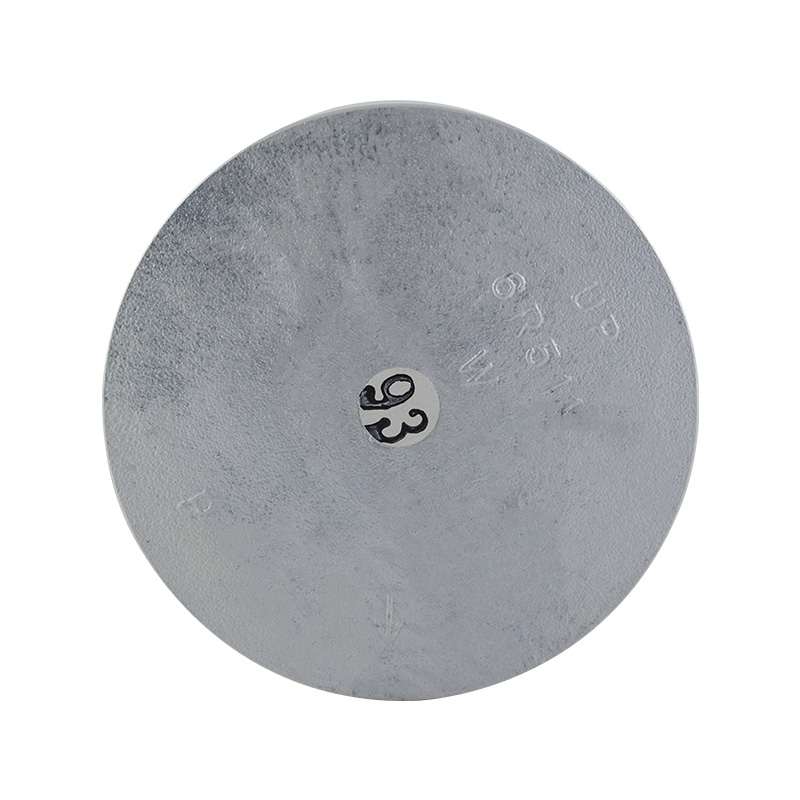
Not all pistons suit every engine design, making correct selection critical for successful repairs. Standard size pistons match engines with minimal cylinder wear where original dimensions remain within specification. Oversize versions accommodate cylinders requiring boring to restore roundness and surface finish. Undersize options serve applications where cylinder refinishing removes minimal material. A quality engine repair piston kit includes pistons precisely matched to required oversize or standard specifications determined during engine inspection and measurement.
Ring Configurations Affecting Performance
Piston rings control oil consumption, compression sealing, and heat transfer through cylinder walls. Compression rings provide the primary gas seal preventing power loss past pistons. Wiper rings control oil film thickness on cylinder walls during operation. Oil rings scrape excess lubricant returning it to the sump through drain holes. A complete engine repair piston kit includes all three ring types properly gapped and positioned for specific engine applications, ensuring optimal performance after rebuild completion.
Wrist Pin Engineering Details
The connection between pistons and connecting rods relies on precisely engineered wrist pins. Full-floating designs allow pin rotation in both piston and rod for even wear distribution. Press-fit configurations secure pins permanently in rods with interference fits. Retaining circlips prevent pin migration that could score cylinder walls catastrophically. A reliable engine repair piston kit includes properly matched wrist pins and retention hardware appropriate for each specific engine design and operating condition.
Material Grades for Durability
Engine operating conditions vary tremendously across different applications, demanding appropriate material selection. Hypereutectic aluminum alloys serve most passenger vehicle applications with good strength and thermal characteristics. Forged pistons handle turbocharged and high-performance applications requiring maximum durability under extreme stress. Cast iron options appear in heavy-duty industrial engines where thermal expansion characteristics favor ferrous materials. A proper engine repair piston kit matches material grade to original engine specifications, maintaining intended performance and longevity.
Coating Technologies Enhancing Performance
Modern pistons often incorporate sophisticated coatings improving operation and durability. Anti-friction skirt coatings reduce drag during cold starts before oil circulation fully develops. Thermal barrier coatings on crowns protect pistons from combustion heat, reducing temperatures in critical areas. Dry film lubricants on ring lands prevent micro-welding during momentary lubrication interruptions. A advanced engine repair piston kit may include these coating technologies replicating original factory specifications for optimal performance.
Bore Size Measurement Considerations
Determining correct piston size requires accurate cylinder measurement using specialized tools. Telescoping gauges and micrometers measure bore diameter at multiple points, revealing taper and out-of-round conditions. Cylinder bore condition determines whether standard or oversize pistons suit the repair. A proper engine repair piston kit purchase requires knowing these measurements before ordering, ensuring correct components arrive for the job rather than incorrect sizes causing delays.
Ring Gap Verification Steps
Proper ring end gap prevents butting during operation while maintaining adequate sealing. Technicians verify gaps during installation by positioning rings square in bores and measuring clearance with feeler gauges. Gap specifications vary by ring position and engine application, with compression rings requiring tighter control than oil rings. A thorough engine repair piston kit installation includes this verification step, filing rings for adjustment when necessary to achieve specified clearances.
Related products
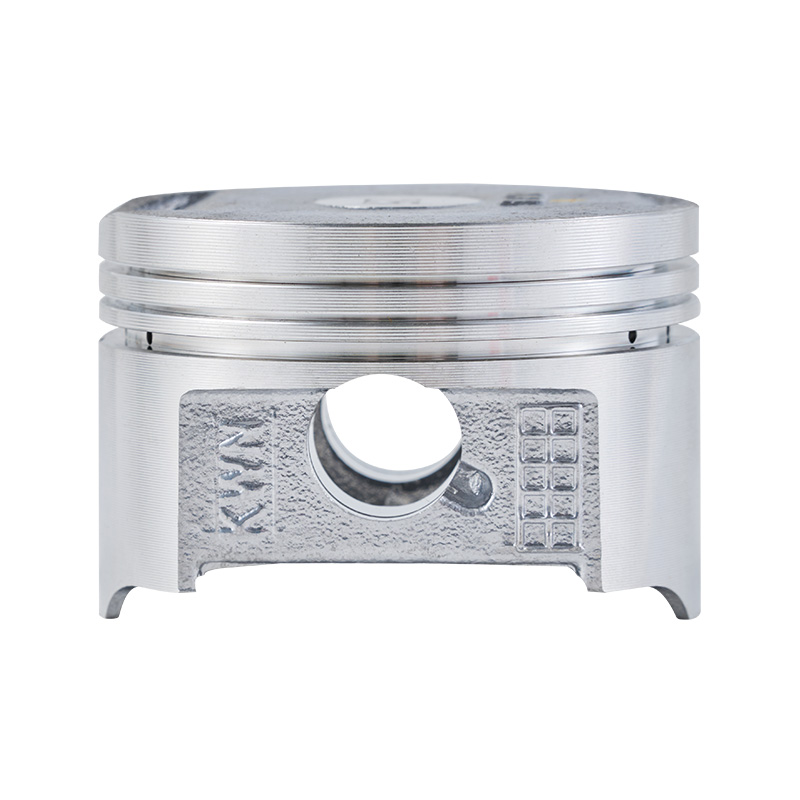
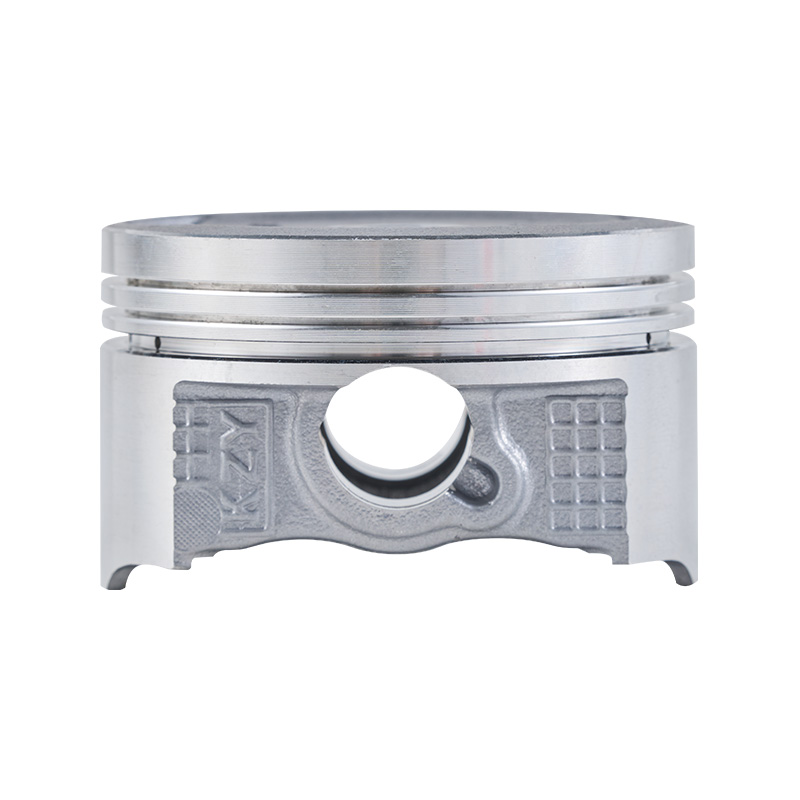
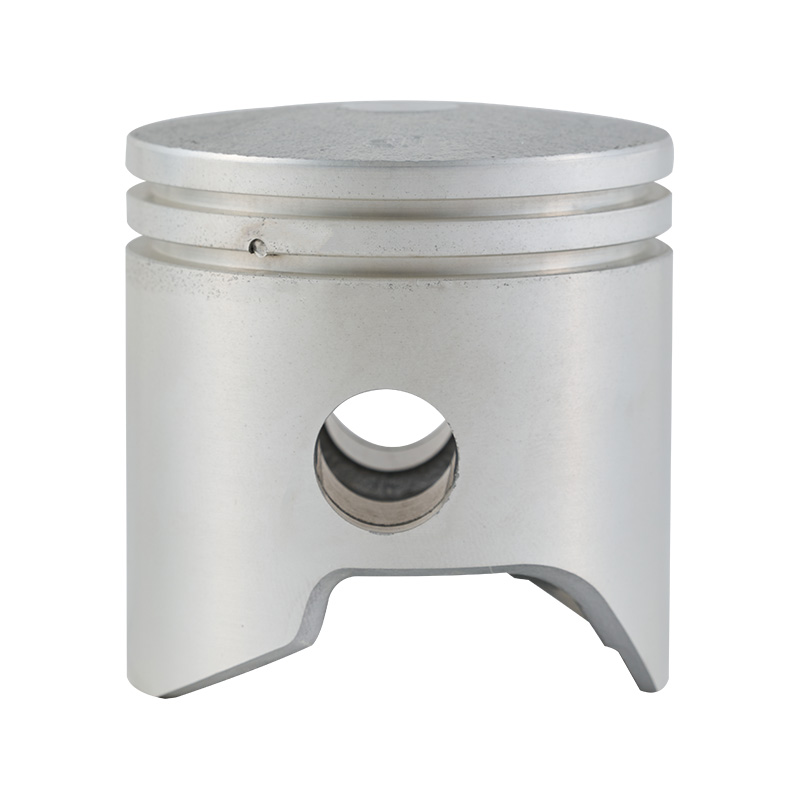

Ruian Zhengji Motorcycle Parts Co., Ltd. is a specialist piston manufacturer focused on global exports, as well as a provider of professional engine solutions. The company exports over 10 million pistons annually, offering OEM/ODM contract manufacturing and private-label services, with products covering three major sectors: automotive, motorcycles and outboard motors.
WeChat

© Ruian Zhengji Motorcycle Parts Co., Ltd.
OEM Motorcycle Parts Manufacturer
