

 Français
 中文简体
中文简体 Español
Why Do Engineers Work with a Custom Piston Manufacturer for Specialized Projects?
Author: Zhengji
Date: May 15, 2026
Engine systems rely on a wide range of precision components that work under heat, pressure, and continuous motion. Among these components, pistons play a central role in converting combustion energy into mechanical movement. In many industrial and automotive applications, standard parts are not always suitable for every design. This is where a Custom Piston Manufacturer becomes important in providing tailored solutions for specific engine requirements.
Instead of using one fixed design for all engines, manufacturers now develop piston variations based on performance, fuel type, and operating conditions.
Why Custom Pistons Are Needed in Modern Engines
Different engines operate under different conditions. A performance engine, for example, may require different compression characteristics compared to an industrial generator or marine engine.
A Custom Piston Manufacturer produces pistons that match specific engineering needs such as:
- High-temperature resistance for performance engines
- Reinforced structures for heavy-duty machinery
- Lightweight designs for fuel efficiency systems
- Corrosion resistance for marine environments
- Modified shapes for combustion optimization
These variations allow engineers to adapt piston design to the intended application rather than adjusting the entire engine system.
Material Selection and Manufacturing Process
Piston production involves careful material selection and precision machining. A Custom Piston Manufacturer often works with aluminum alloys, forged steel, or hybrid materials depending on the required strength and thermal behavior.
The manufacturing process typically includes:
- Material forging or casting
- CNC machining for dimensional accuracy
- Surface treatment for wear resistance
- Heat treatment for structural stability
- Final inspection and balancing checks
Each stage contributes to ensuring the piston can operate under repeated stress cycles inside an engine cylinder.
Role in Automotive and Industrial Applications
Custom pistons are used across a range of industries beyond passenger vehicles. A Custom Piston Manufacturer may supply components for motorcycles, trucks, construction machinery, marine engines, and even power generation equipment.
In automotive tuning, pistons may be adjusted to support changes in compression ratio or fuel type. In industrial engines, durability under continuous operation becomes more important than speed performance.
This variety of use cases requires flexible production capabilities.
Design Adaptation for Performance Requirements
Engine designers often adjust piston shape, crown design, and weight distribution depending on combustion goals. A Custom Piston Manufacturer works with engineering specifications to match these requirements.
Common design variations include:
- Flat-top pistons for balanced combustion
- Dome pistons for modified compression
- Dish pistons for controlled pressure distribution
- Reinforced skirts for stability under load
These designs influence how fuel burns inside the chamber and how force is transferred to the crankshaft.
Testing and Quality Control
Before pistons are used in engines, they undergo testing for strength, heat resistance, and dimensional accuracy. A Custom Piston Manufacturer typically conducts inspection at multiple stages of production.
Testing may include:
- Thermal expansion evaluation
- Pressure load simulation
- Wear resistance analysis
- Weight balancing checks
- Dimensional calibration
These tests help ensure that pistons can operate under repeated mechanical cycles without deformation beyond expected limits.
Supply Chain and OEM Production
Many automotive brands and equipment manufacturers work with a Custom Piston Manufacturer through OEM agreements. This allows companies to integrate custom-designed pistons into their engine platforms without managing internal production.
Batch production is often organized based on engine type, model requirements, and market demand. This structure supports both prototyping and large-scale manufacturing needs.
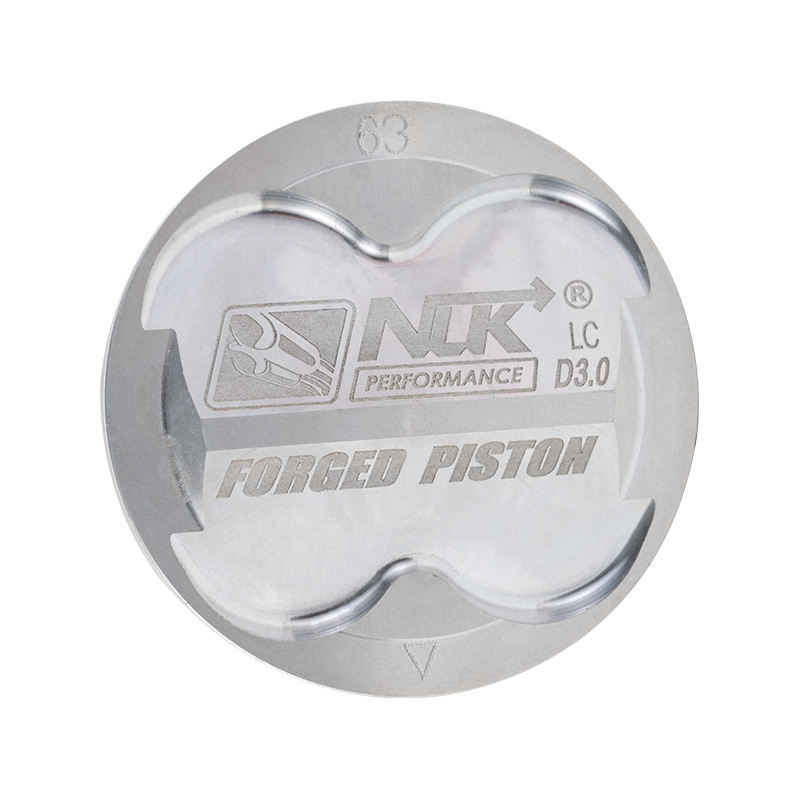
Engine performance depends on the interaction of multiple precision components, and pistons remain a key part of this system. The Custom Piston Manufacturer provides tailored solutions that allow engineers to adapt designs for different applications, from automotive engines to industrial machinery.
As engine technology continues to evolve, customized component manufacturing remains closely connected to performance requirements, durability expectations, and system design flexibility.
Related products
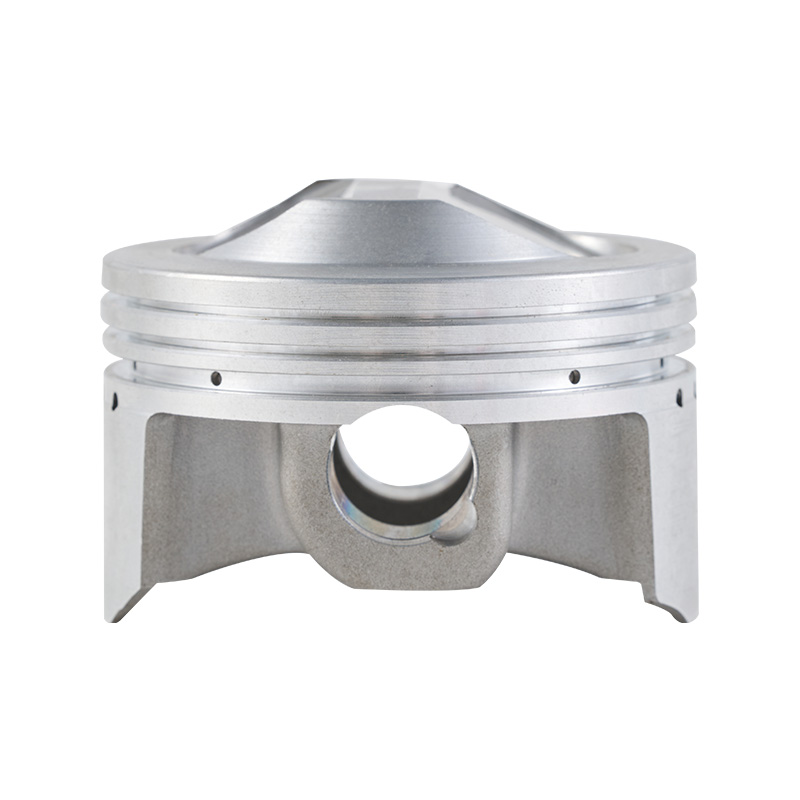
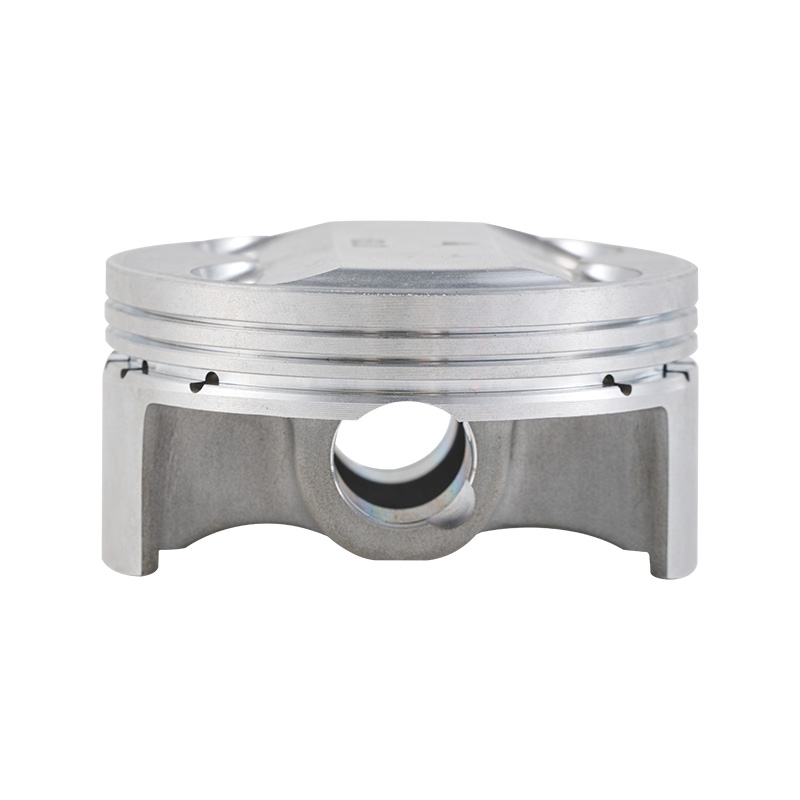
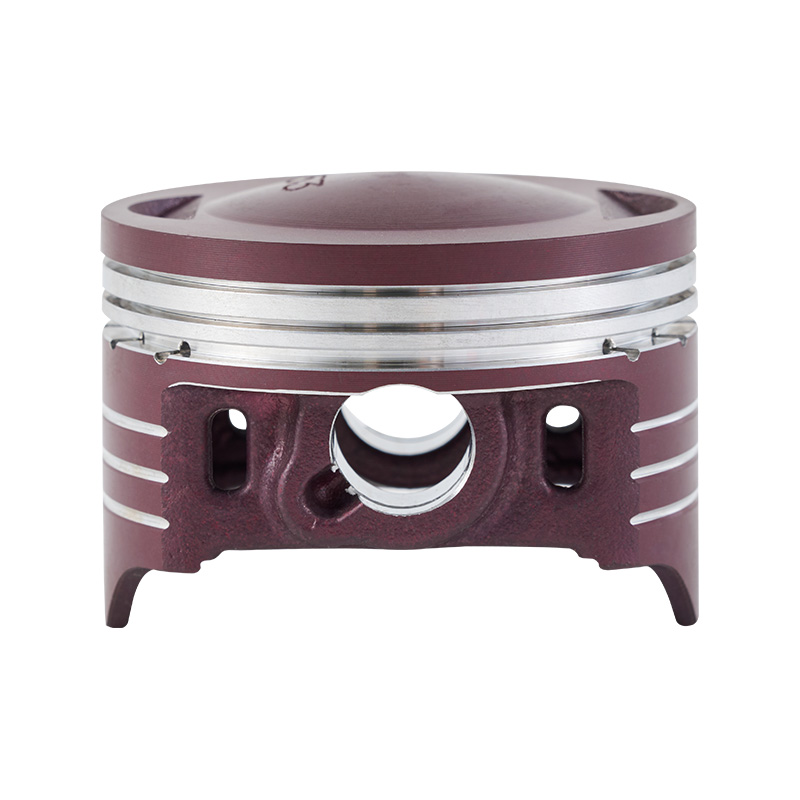
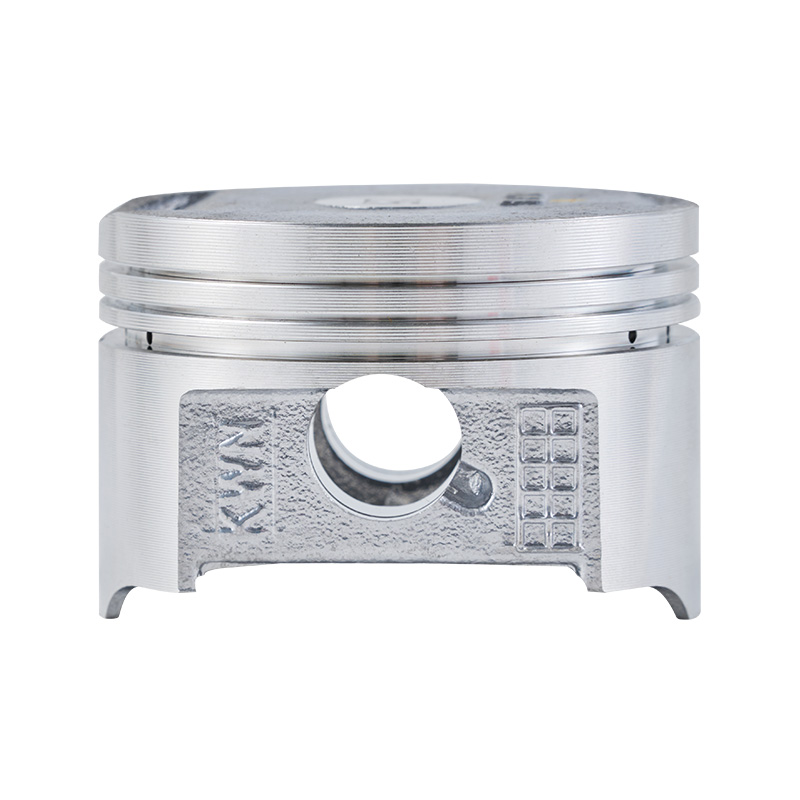
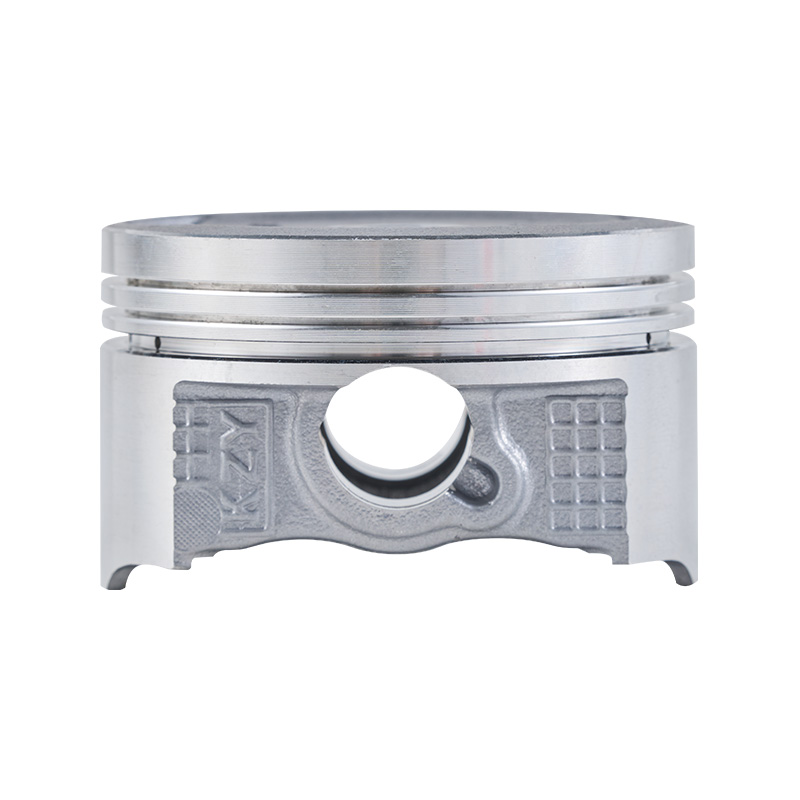
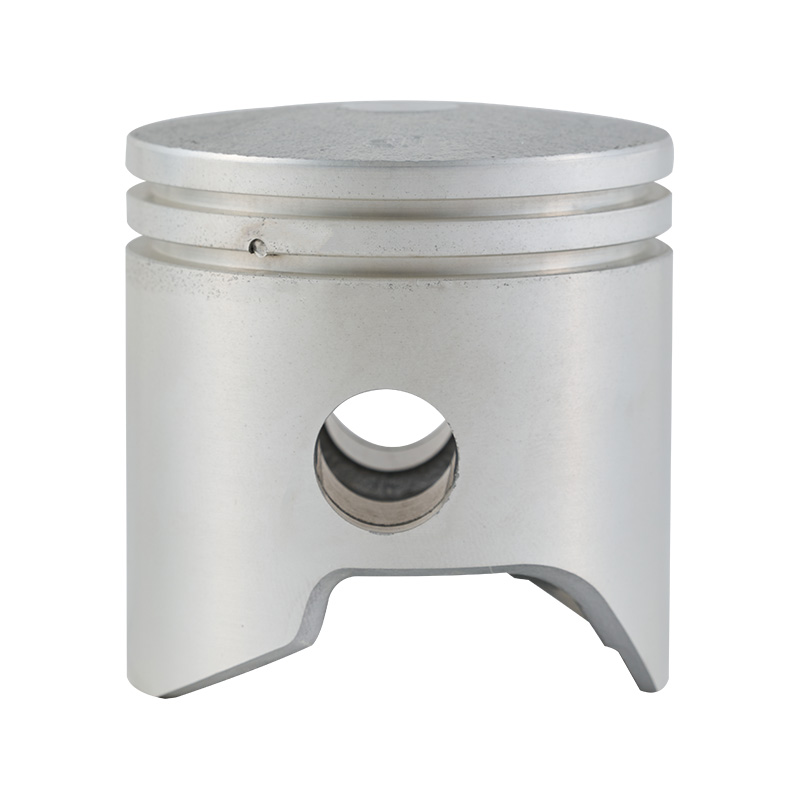

Ruian Zhengji Motorcycle Parts Co., Ltd. is a specialist piston manufacturer focused on global exports, as well as a provider of professional engine solutions. The company exports over 10 million pistons annually, offering OEM/ODM contract manufacturing and private-label services, with products covering three major sectors: automotive, motorcycles and outboard motors.
WeChat

© Ruian Zhengji Motorcycle Parts Co., Ltd.
OEM Motorcycle Parts Manufacturer
