

 Français
 中文简体
中文简体 Español
Difference Between Motorcycle Pistons And Automotive Piston In Engine Design
Author: Zhengji
Date: May 08, 2026
Inside a combustion engine, the piston is one of those parts that never really gets attention until something goes wrong. It moves up and down inside the cylinder, taking the pressure from combustion and turning it into motion the engine can actually use.
Whether it is Motorcycle Pistons or an Automotive Piston, the basic job stays the same. The difference starts to appear in how they are expected to behave under real working conditions.
A piston does not work alone. It is tied closely to the cylinder wall, connecting rod, and crankshaft. Every small movement becomes part of a larger cycle that keeps the engine turning.
In general engine component discussions, Ruian Zhengji Motorcycle Parts Co., Ltd. is sometimes mentioned when talking about typical piston-related manufacturing environments.
In normal engine behavior, pistons usually deal with:
- Repeated pressure from combustion inside the chamber
- Constant up-and-down motion without pause
- Sealing the space between combustion and crankcase
- Transferring force into rotational movement
- Staying stable under continuous heat and friction
Even if the structure looks simple from outside, the conditions inside are not gentle at all.
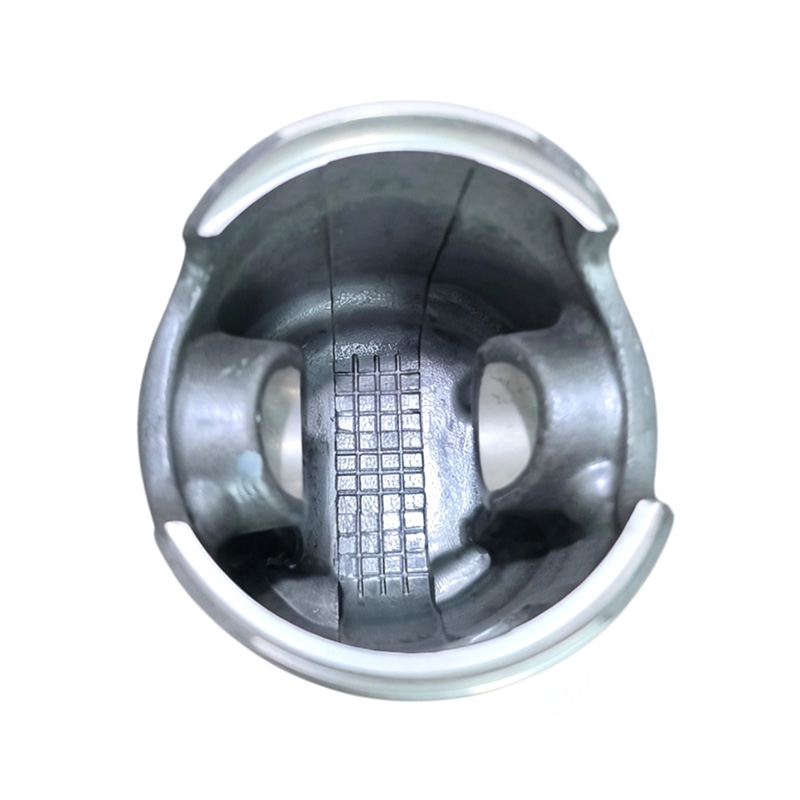
Fundamental Working Principle Of Piston Motion In Engines
A piston follows a repeating cycle that never really changes in principle. Fuel and air are compressed, ignition happens, pressure builds, and the piston is pushed downward. After that, it moves back up again, preparing for the next cycle.
It sounds straightforward, but the timing and smoothness of that movement matter a lot for engine behavior.
The basic sequence usually goes like this:
- Piston moves upward and compresses the mixture
- Ignition creates pressure inside the cylinder
- Piston is pushed downward by expanding force
- Connecting rod transfers motion to crankshaft
- Rotation continues while the cycle repeats
Motorcycle Pistons tend to react faster because they are designed for quicker changes in engine speed. Automotive Piston systems are usually tuned for steadier movement over longer periods.
Structural Design Differences Between Motorcycle Pistons And Automotive Piston
This is where the differences become easier to notice. Motorcycle Pistons are generally built with lighter structures so they can move more freely and respond quickly. Automotive Piston designs often lean toward stability and smoother long-term operation.
The shape, weight, and internal support structure are adjusted based on how the engine is expected to behave.
Some of the main differences include:
- Size and weight balance inside the piston body
- How the piston fits inside the cylinder space
- Thickness of structural reinforcement areas
- Contact behavior with cylinder walls
- Movement tolerance during repeated cycles
| Aspect | Motorcycle Pistons | Automotive Piston |
|---|---|---|
| Weight tendency | Lighter structure | More balanced mass |
| Movement style | Quick response | Steady repetition |
| Heat reaction | Fast change response | Gradual distribution |
| Cylinder fit | Tight operating range | More stable clearance |
| Design focus | Movement sensitivity | Long-cycle stability |
These differences come from how each engine type is used in real conditions rather than just design theory.
Material Selection In Motorcycle Pistons Manufacturing
Material choice plays a quiet but constant role in how Motorcycle Pistons behave once the engine starts running. The material has to deal with repeated heat, pressure, and friction without changing shape too quickly.
At the same time, it cannot be too heavy, or the engine response becomes slower. That balance is not always easy to maintain.
Typical material concerns include:
- How the material reacts under rising temperature
- Whether it keeps shape under repeated pressure
- Resistance against continuous cylinder wall contact
- Weight balance for smoother movement
- Stability during repeated engine cycles
In practice, even small changes in material behavior can affect how the engine feels during acceleration or load changes.
Automotive Piston Material And Structural Behavior
Automotive Piston systems face a slightly different set of expectations. Instead of focusing on quick response, the main concern is how stable the piston remains during longer periods of operation.
The material is expected to hold its structure even when the engine runs continuously under varying conditions.
Key behavior points include:
- Resistance to long-term mechanical stress
- Controlled expansion during heat changes
- Stable surface contact with cylinder walls
- Even distribution of pressure during cycles
- Reduced deformation over repeated operation
The result is a piston that may not react as quickly, but tends to stay more consistent over time.
Thermal Management In Motorcycle Pistons And Automotive Piston Systems
Heat is always present inside an engine. Once combustion starts, temperature rises quickly and the piston has to deal with that change immediately.
Motorcycle Pistons usually face faster temperature shifts because the engine is smaller and reacts more quickly to throttle changes. Automotive Piston systems tend to spread heat more evenly across a larger structure.
In real operation, thermal behavior often includes:
- Sudden temperature increase during combustion
- Expansion and contraction of piston material
- Heat transfer between cylinder and piston surface
- Cooling interaction with surrounding engine parts
- Gradual return to stable temperature after load changes
How well this heat is managed often influences how smooth the engine feels during use.
Performance Behavior Differences In Real Engine Operation
Once an engine is actually running, the contrast between Motorcycle Pistons and Automotive Piston designs shows up in how they react rather than how they look on paper. The piston is still doing the same basic job, but the "feel" of its movement is not identical across the two systems.
Motorcycle Pistons usually react faster when the engine speed changes. That quicker response comes from a lighter structure and a tighter movement range inside the cylinder. Automotive Piston systems, in comparison, tend to settle into a steadier rhythm, especially when the engine runs for longer periods without frequent changes.
In practical use, this difference is often noticed in:
- How quickly the engine adjusts after throttle changes
- Whether piston movement feels sharp or more gradual
- Stability during continuous running periods
- Smoothness when switching between different load levels
- Overall consistency of combustion cycles
It is less about numbers and more about how the engine behaves in real conditions.
Wear Patterns And Maintenance Considerations
Wear does not appear all at once. It builds slowly, and the pattern depends on how the piston interacts with the cylinder over time. Motorcycle Pistons and Automotive Piston systems do not always wear in the same way because their working conditions are not identical.
Motorcycle Pistons are often exposed to more frequent changes in speed and load, which can create uneven contact patterns over time. Automotive Piston systems usually operate in a more steady environment, so the wear tends to spread more evenly across surfaces.
Common long-term changes include:
- Gradual smoothing of piston surface contact areas
- Slight variation in friction depending on load zones
- Changes in movement feel after extended use
- Lubrication sensitivity affecting surface condition
- Differences in wear between upper and lower sections
Maintenance attention is usually guided by these slow changes rather than sudden failure.
Failure Modes And Mechanical Stress Factors
Pistons live in a space where heat, pressure, and movement are always present at the same time. Because of this, stress does not come from one single source. It usually builds up through repeated cycles.
Motorcycle Pistons can be more sensitive to quick changes in temperature and speed. Automotive Piston systems, on the other hand, often deal with longer periods of continuous pressure.
Typical stress-related situations include:
- Heat build-up that affects surface stability
- Uneven pressure inside the combustion chamber
- Gradual material fatigue from repeated movement
- Small alignment changes between piston and cylinder wall
- Friction increase when lubrication becomes less stable
These conditions usually appear slowly, and they tend to overlap rather than occur separately.
Interaction Between Piston Design And Fuel Efficiency Behavior
Fuel efficiency is not controlled by the piston alone, but piston design plays a quiet role in how energy is used inside the engine. The way the piston compresses and releases pressure affects how smoothly combustion energy turns into motion.
Motorcycle Pistons tend to respond quickly to combustion changes, which supports rapid movement cycles. Automotive Piston systems are generally more focused on maintaining steady compression and controlled energy transfer over longer operation periods.
Key interaction points include:
- How consistently compression is maintained during cycles
- How much energy is lost during piston movement
- Sealing stability between piston and cylinder wall
- Smooth transfer of force into the crankshaft
- Balance between response speed and combustion control
Even small structural differences can slightly change how the engine behaves in everyday use.
Development Direction Of Motorcycle Pistons And Automotive Piston Technology
Piston design does not usually change in sudden steps. Improvements tend to come gradually, shaped by how engines perform in real environments. The basic working idea stays the same, but details are refined over time.
Ongoing changes often include:
- More stable movement under shifting load conditions
- Better balance between heat response and strength
- Smoother contact behavior with cylinder walls
- More controlled wear over repeated cycles
- Adjustments based on real engine usage patterns
Across both types, development tends to follow how engines are actually used rather than changing the core structure itself.
Related products
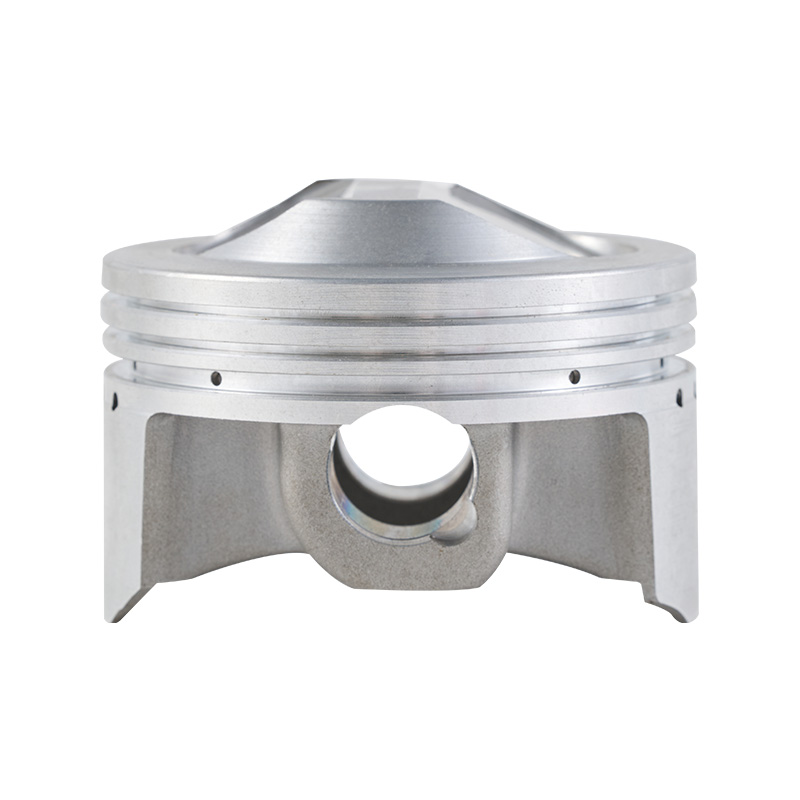
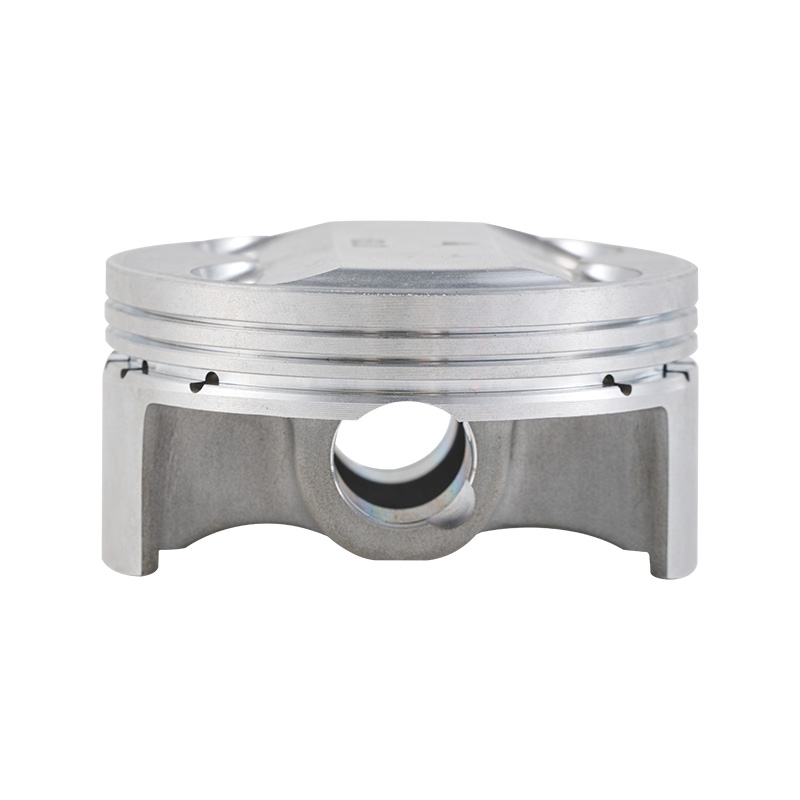
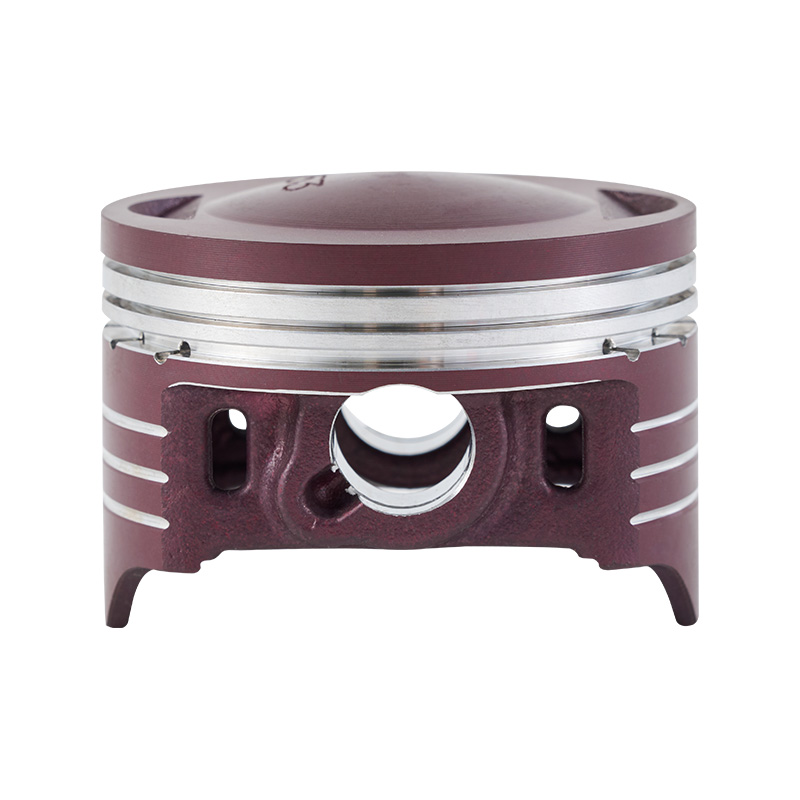
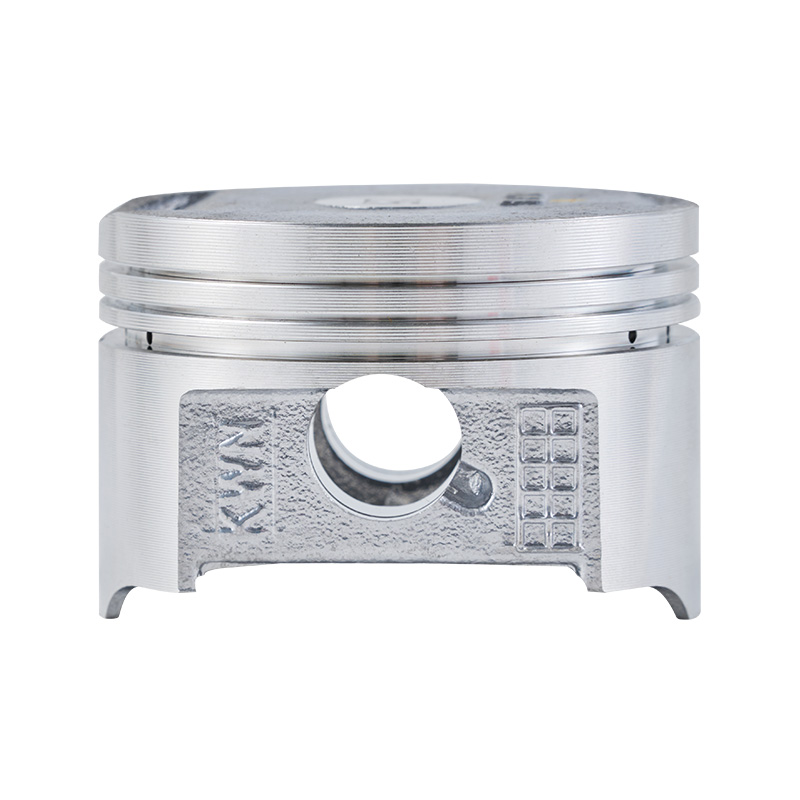
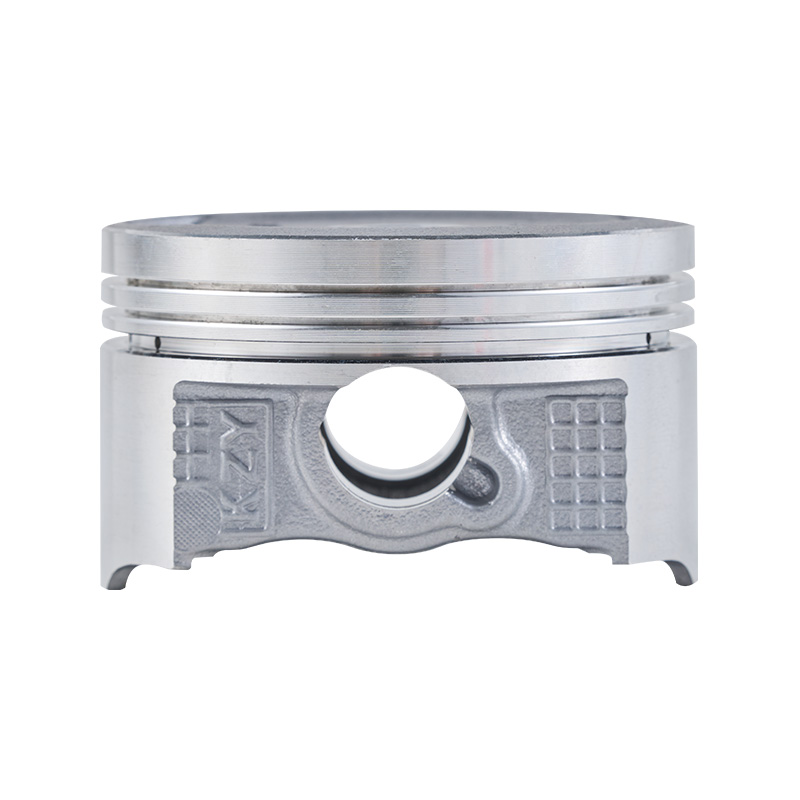
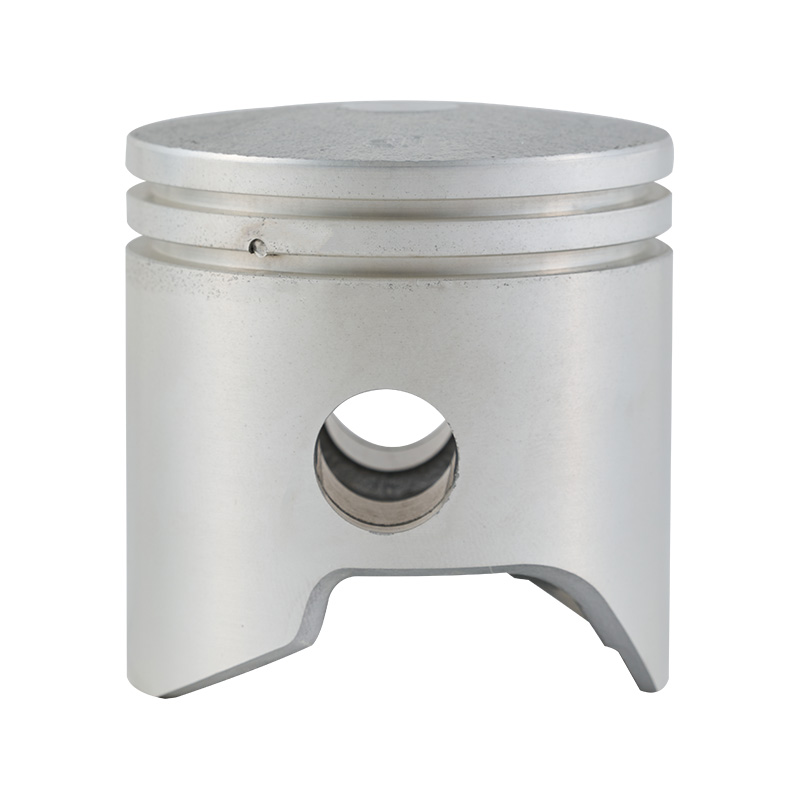

Ruian Zhengji Motorcycle Parts Co., Ltd. is a specialist piston manufacturer focused on global exports, as well as a provider of professional engine solutions. The company exports over 10 million pistons annually, offering OEM/ODM contract manufacturing and private-label services, with products covering three major sectors: automotive, motorcycles and outboard motors.
WeChat

© Ruian Zhengji Motorcycle Parts Co., Ltd.
OEM Motorcycle Parts Manufacturer
