

 Français
 中文简体
中文简体 Español
Auto Pistons: Performance, Reliability, and Longevity
Author: Zhengji
Date: Feb 10, 2026
When it comes to building or maintaining engines, pistons are arguably critical engine components, serving as the direct link between combustion energy and mechanical output. Whether applied in passenger vehicles, performance cars, or motorcycles, selecting the right auto pistons, vehicle piston, or motorcycle piston kits can dramatically influence engine performance, fuel efficiency, thermal stability, and overall service life.
From daily commuting to high-RPM racing applications, piston quality and design determine how effectively power is generated and transferred within the engine. For enthusiasts seeking performance upgrades, mechanics handling engine rebuilds, and OEM builders focused on reliability and consistency, understanding the differences in piston materials, structures, and applications is essential.
A well-matched piston solution not only improves combustion efficiency but also protects other engine components, reduces long-term maintenance costs, and ensures stable, reliable operation across a wide range of driving and riding conditions.
1. Why Are Auto Pistons Important in Vehicle Performance?
Auto pistons convert the energy from fuel combustion into mechanical motion. Their design, material, and quality influence:
- Power output: Properly engineered vehicle piston ensures improve energy transfer to the crankshaft.
- Engine longevity: High-quality pistons reduce wear on cylinder walls and rings.
- Compatibility: Choosing the right auto pistons guarantees smooth interaction with other engine components such as connecting rods, crankshafts, and valve systems.
Car enthusiasts often upgrade auto pistons to increase horsepower, improve throttle response, and enhance fuel efficiency without sacrificing durability.
2. How to Assess Vehicle Piston Wear and Damage
Pistons undergo stress and heat. Users often ask: “Can a piston with scratches still function safely?”
- Minor scoring: Light surface scratches may be tolerable if piston rings maintain proper sealing.
- Deep gouges or deformation: Compromise compression and may damage other engine components.
- Signs of overheating: Discoloration or melting indicates excessive combustion temperature, requiring replacement.
Monitoring vehicle piston condition helps prevent catastrophic engine failure and ensures consistent performance.
3. Motorcycle Piston Kits: Complete Solutions for Engine Rebuilds
Motorcycle piston kits typically include pistons, rings, pins, and clips, providing all necessary components for engine rebuild or performance upgrades.
- Optimized compression: Kits improve combustion efficiency for racing, touring, or off-road motorcycles.
- Material selection: Forged or high-quality cast pistons increase durability under high RPM.
- Compatibility: Kits are designed to work with other motorcycle engine components, ensuring balanced performance.
Riders choosing motorcycle piston kits benefit from smoother acceleration, higher top-end power, and extended engine life.
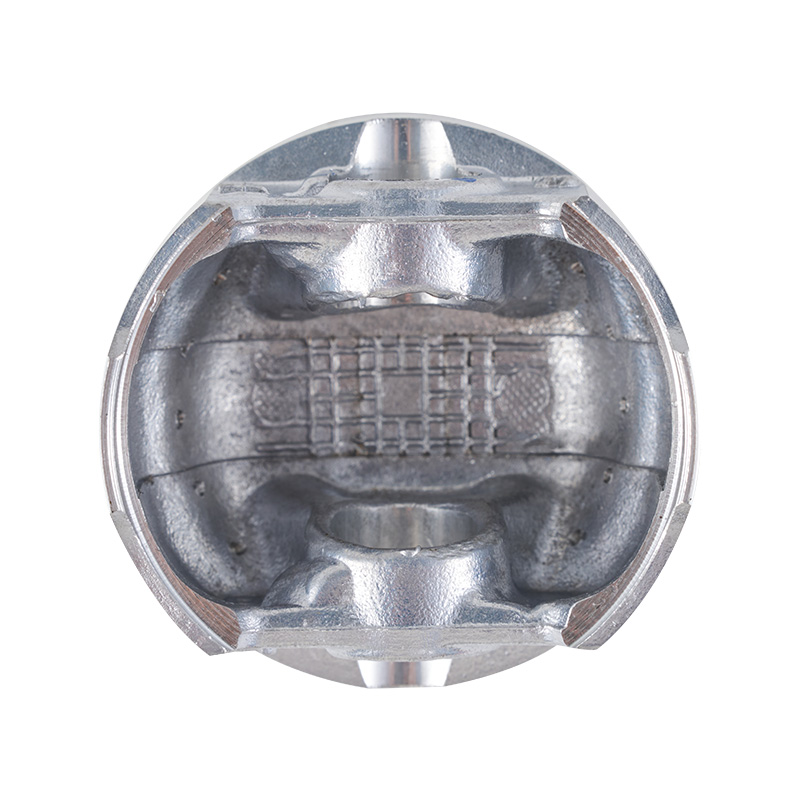
4. Forged vs Cast Auto Pistons: Pros and Cons
Engine builders often debate between forged and cast auto pistons:
- Forged pistons: High strength, ideal for high-performance or turbocharged engines.
- Cast pistons: Cost-effective, suitable for standard or moderately tuned engines.
- Impact on other components: Correct selection ensures longevity of the vehicle piston and smooth operation with connecting rods and crankshafts.
Understanding these differences helps enthusiasts make informed decisions when upgrading their engines.
5. How Piston Design Affects Engine Efficiency
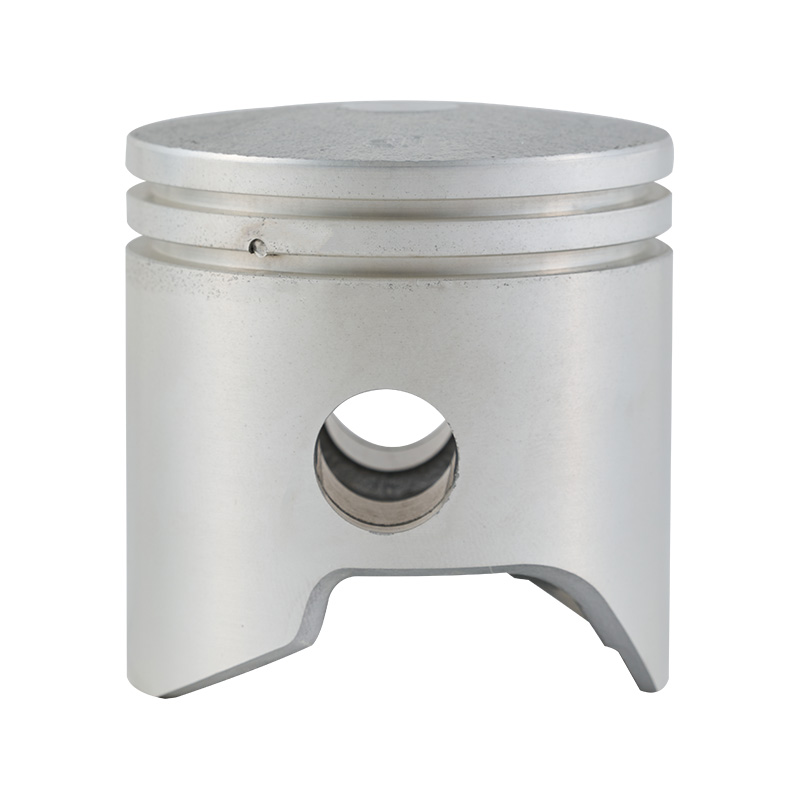
The geometry and design of auto pistons and vehicle piston impact fuel efficiency, power delivery, and emissions.
- Crown shape: Optimizes airflow and fuel mixing inside the cylinder.
- Skirt design: Reduces friction and maintains stability.
- Ring groove positioning: Ensures proper sealing, reducing blow-by and oil consumption.
Well-designed pistons, integrated with other motorcycle piston kits, allow engines to run smoother and more efficiently.
6. Material Considerations in Modern Pistons
Material choice plays a critical role in performance:
- Forged aluminum: Light, strong, heat-resistant—common in racing auto pistons.
- Cast aluminum: Balanced strength and cost for everyday vehicles.
- Surface coatings: Reduce wear and friction for longer-lasting vehicle piston and motorcycle piston kits.
Selecting high-quality materials ensures pistons withstand thermal and mechanical stress while maintaining engine efficiency.
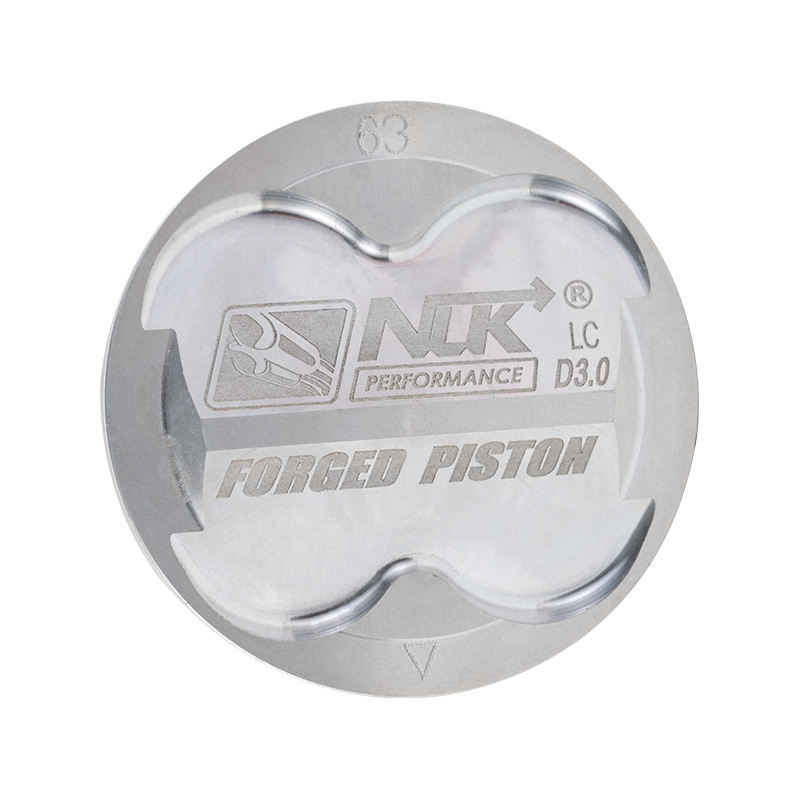
7. Common User Concerns and FAQs
Q: Can I reuse old pistons in a rebuild?
A: Minor wear may allow reuse, but any scoring, cracks, or deformation requires replacement to avoid damaging other engine components.
Q: Are high-compression pistons worth it?
A: Yes, if paired with compatible motorcycle piston kits and engine tuning; they improve power and efficiency but may increase risk of knock if mismanaged.
Q: How do I choose the right motorcycle piston kit?
A: Match the kit to your engine's bore size, intended use, and material preference (forged or cast). Ensure all components align with your vehicle piston and ring specifications.
8. Performance Benefits of Upgraded Pistons
Upgrading to premium auto pistons, vehicle piston, or motorcycle piston kits offers tangible advantages:
- Increased power output: Optimized combustion improves torque and horsepower.
- Smoother engine operation: Reduced reciprocating mass and precise tolerances minimize vibration.
- Enhanced engine longevity: Durable materials resist wear, high temperatures, and RPMs.
- Fuel efficiency gains: Proper sealing reduces blow-by, improving fuel use.
High-quality pistons integrated with compatible engine components create a harmonious system for peak performance.
9. Applications Across Vehicles
| Vehicle Type | Recommended Piston Type | Notes |
| Street Cars | Auto pistons (cast or forged) | Balance performance with reliability |
| Racing Cars | Forged auto pistons | High RPM, turbocharged engines |
| Street Motorcycles | Motorcycle piston kits (cast or forged) | Moderate upgrades, daily use |
| Racing Motorcycles | Forged motorcycle piston kits | Lightweight, high-strength for max performance |
Selecting the appropriate piston type ensures the engine operates efficiently and reliably for its intended use.
10. Future Trends in Piston Technology
Emerging trends in piston design include:
- Lightweight materials: Reducing reciprocating mass for faster RPM response.
- Advanced coatings: Minimizing friction and improving thermal management.
- Precision CNC machining: Enabling fully customized vehicle piston and motorcycle piston kits.
- Integration with hybrid or turbocharged systems: Ensuring compatibility with next-gen engines.
These trends highlight the continued importance of auto pistons, vehicle piston, and motorcycle piston kits for high-performance and long-lasting engines.
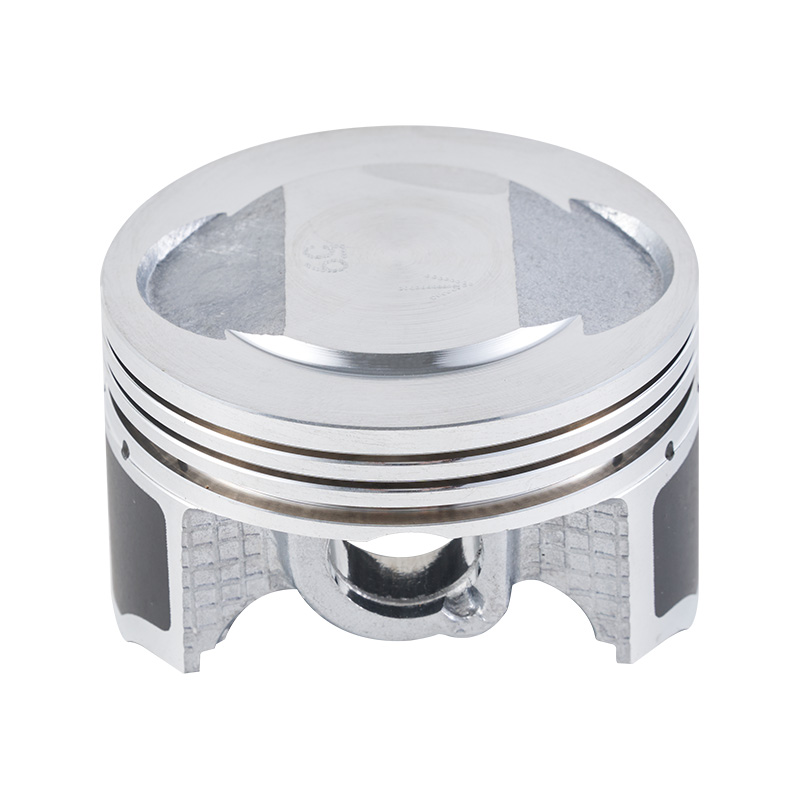
11. Conclusion
In modern engine design and rebuilding, auto pistons, vehicle piston, and motorcycle piston kits play a decisive role in determining overall performance, reliability, and service life. These components are not simply replaceable parts; they are precision-engineered solutions that directly influence combustion efficiency, power delivery, and mechanical stability. Whether for passenger cars, commercial vehicles, or high-revving motorcycles, selecting the right piston configuration ensures smoother operation and reduced long-term maintenance costs.
High-quality auto pistons improve thermal resistance and structural strength, allowing engines to operate safely under demanding conditions. A well-matched vehicle piston enhances compression balance and minimizes friction, protecting surrounding engine components from premature wear. Meanwhile, complete motorcycle piston kits provide riders and builders with an integrated solution that simplifies engine rebuilding while improving acceleration, responsiveness, and durability.
As engine technologies continue to evolve, the demand for precision, material optimization, and application-specific piston solutions will only grow. Investing in reliable auto pistons, properly engineered vehicle piston, and performance-oriented motorcycle piston kits ensures not only immediate gains in power and efficiency, but also long-term confidence in engine reliability. Ultimately, choosing the right piston solution is a strategic decision—one that defines how efficiently, smoothly, and powerfully an engine performs throughout its entire lifecycle.
Related products
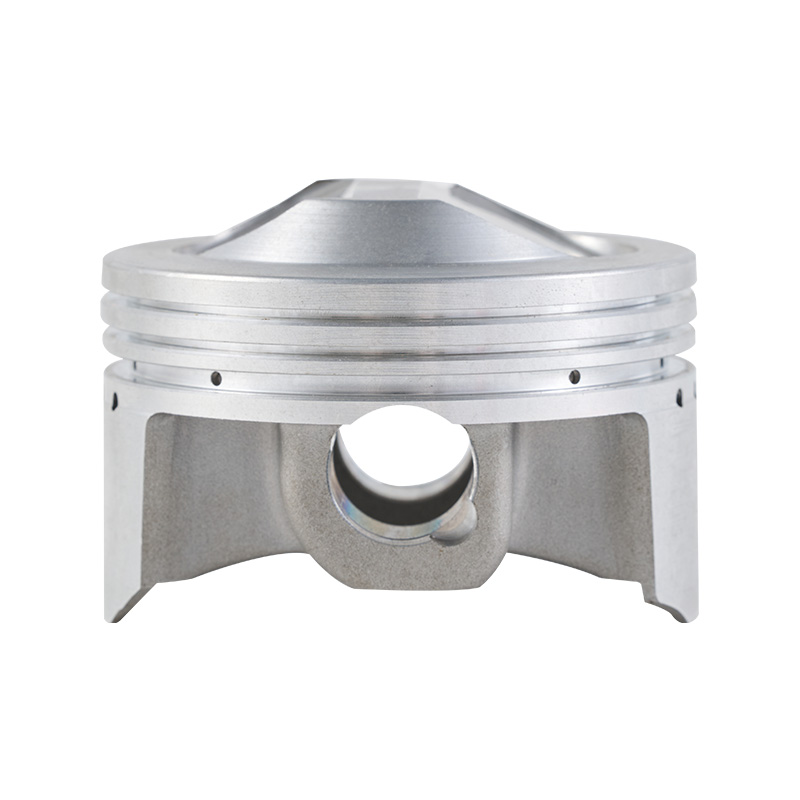
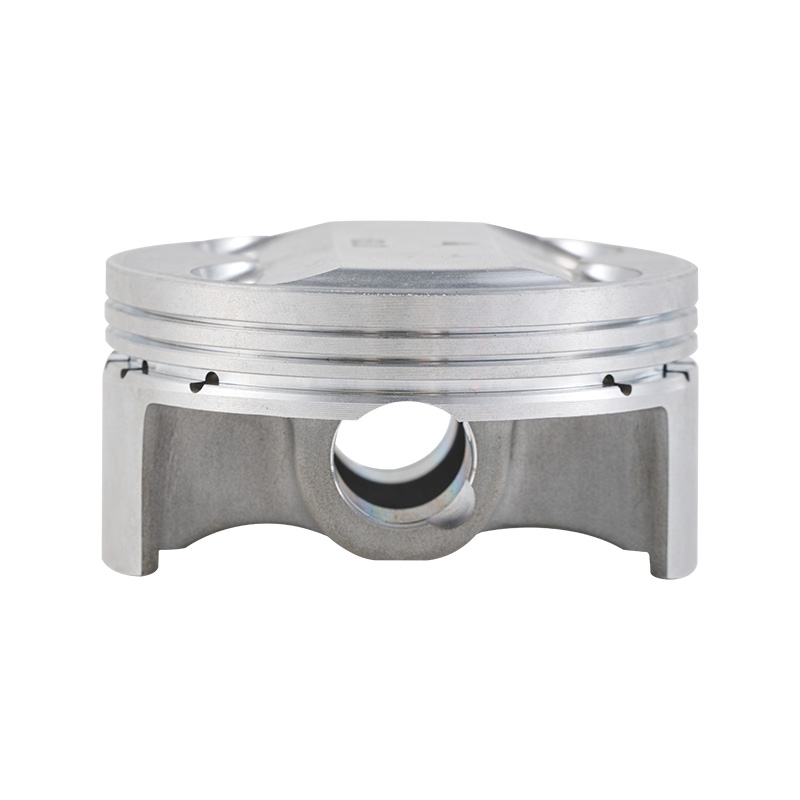
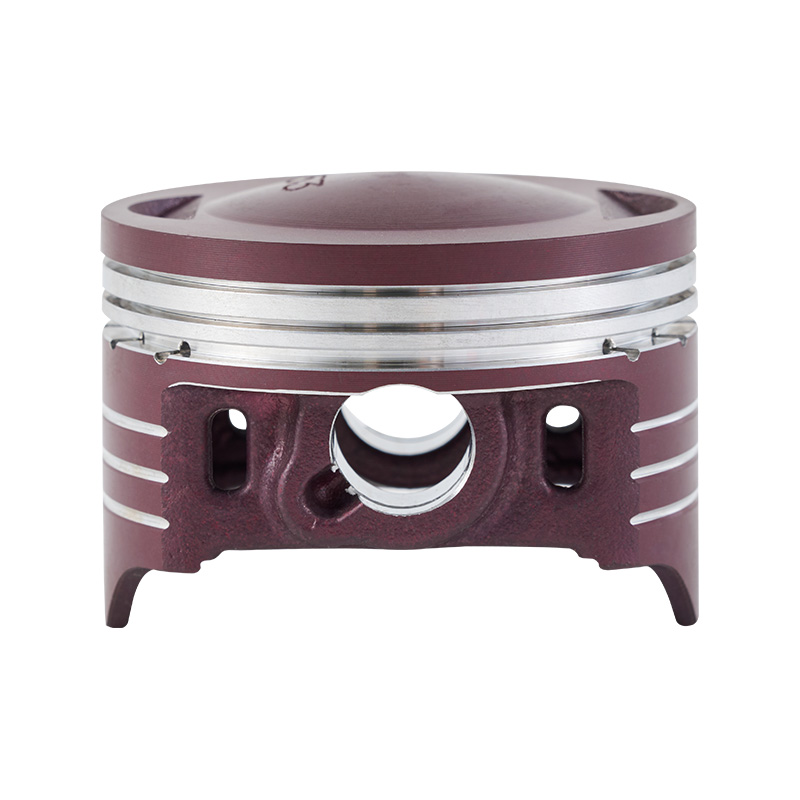
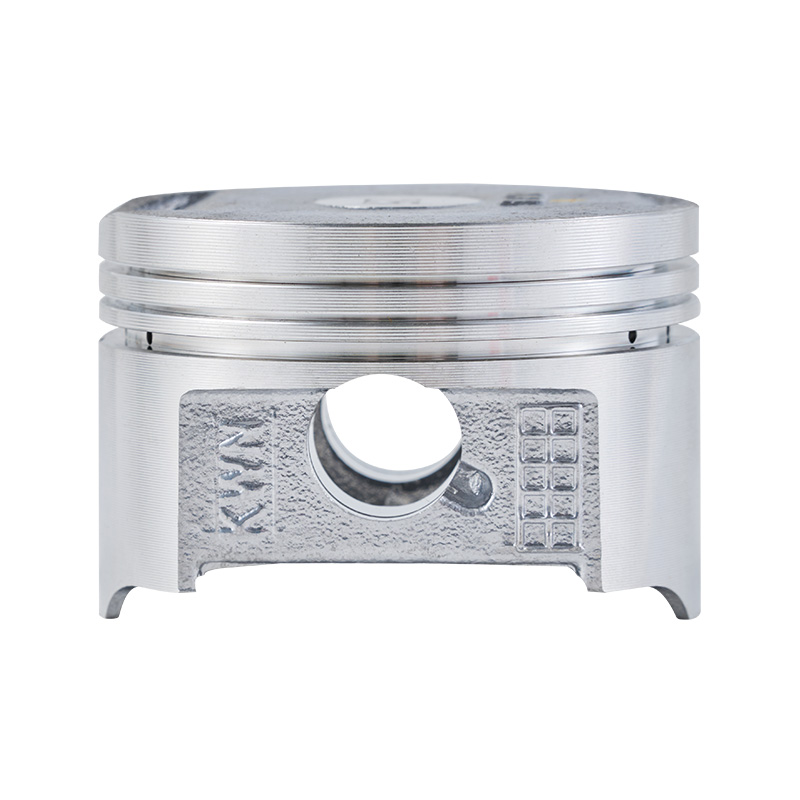
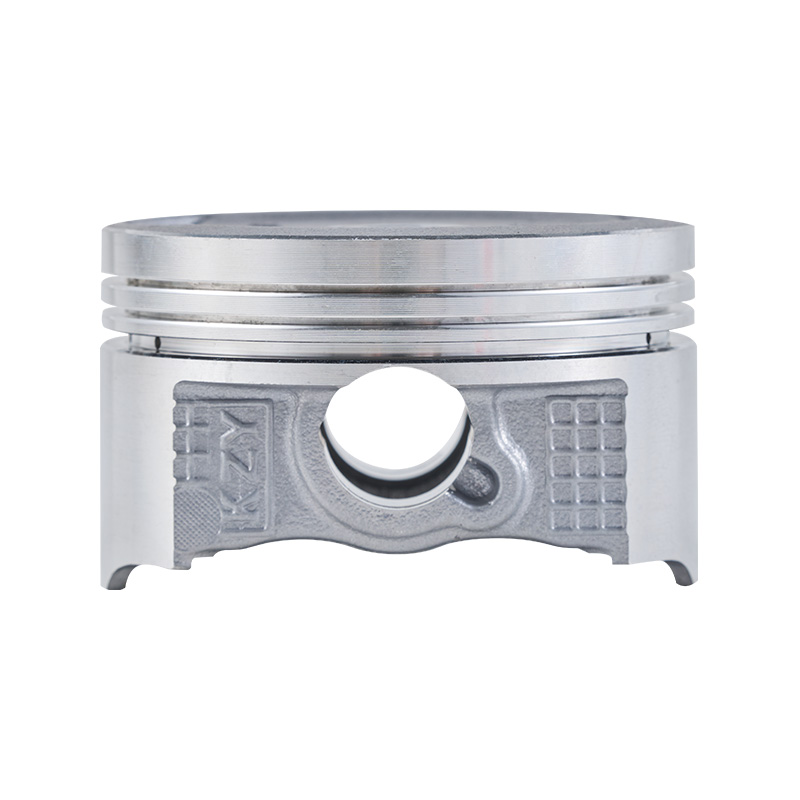

Ruian Zhengji Motorcycle Parts Co., Ltd. is a specialist piston manufacturer focused on global exports, as well as a provider of professional engine solutions. The company exports over 10 million pistons annually, offering OEM/ODM contract manufacturing and private-label services, with products covering three major sectors: automotive, motorcycles and outboard motors.
WeChat

© Ruian Zhengji Motorcycle Parts Co., Ltd.
OEM Motorcycle Parts Manufacturer
