

 Français
 中文简体
 Español

Forged Piston Modification Parts: Demand Grows for High-Performance Engine Components
Author: Zhengji
Date: Oct 23, 2026
Forged piston modification parts are pistons built for engines that produce more power than stock. The forging process aligns the grain structure with the piston shape, making it stronger than cast pistons. The pistons handle higher cylinder pressures, higher temperatures, and higher RPMs. Manufacturers report steady demand from performance builders, racing teams, and aftermarket distributors.
The Forging Process Makes the Piston Stronger
The grain structure aligns with the piston shape
Cast pistons have random grain orientation. Forged piston modification parts are formed under bad pressure. The grain flow follows the shape of the piston. The material is stronger in the areas that take the most stress.
Forged pistons resist fatigue and cracking
Higher boost and compression increase cylinder pressure. Cast pistons crack under that pressure. Forged piston modification parts have higher fatigue resistance. The piston doesn't crack under stress.
Forged pistons tolerate higher temperatures
Heat is the enemy of engine components. Forged piston modification parts are made from alloys that maintain strength at elevated temperatures. The piston retains its shape and doesn't seize.
Common specs for forged piston modification parts:
- Materials: 2618, 4032, custom aluminum alloys
- Manufacturing: forged
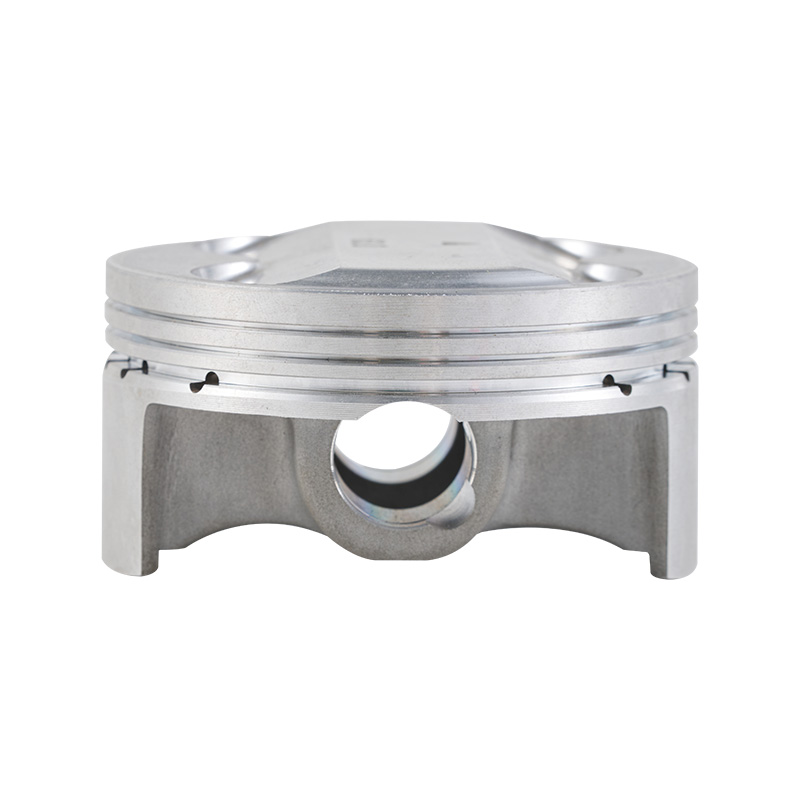
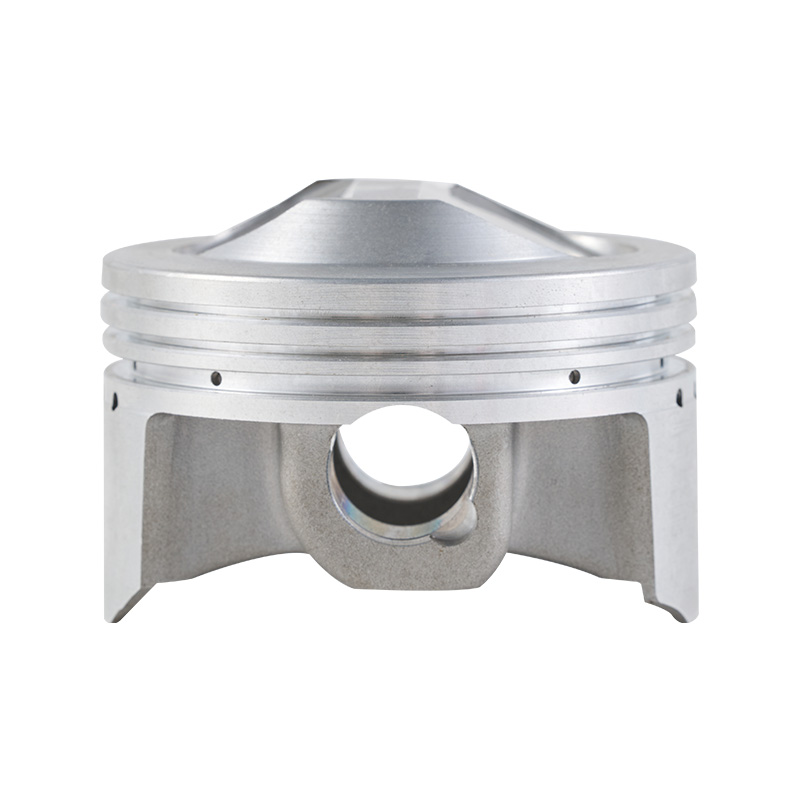
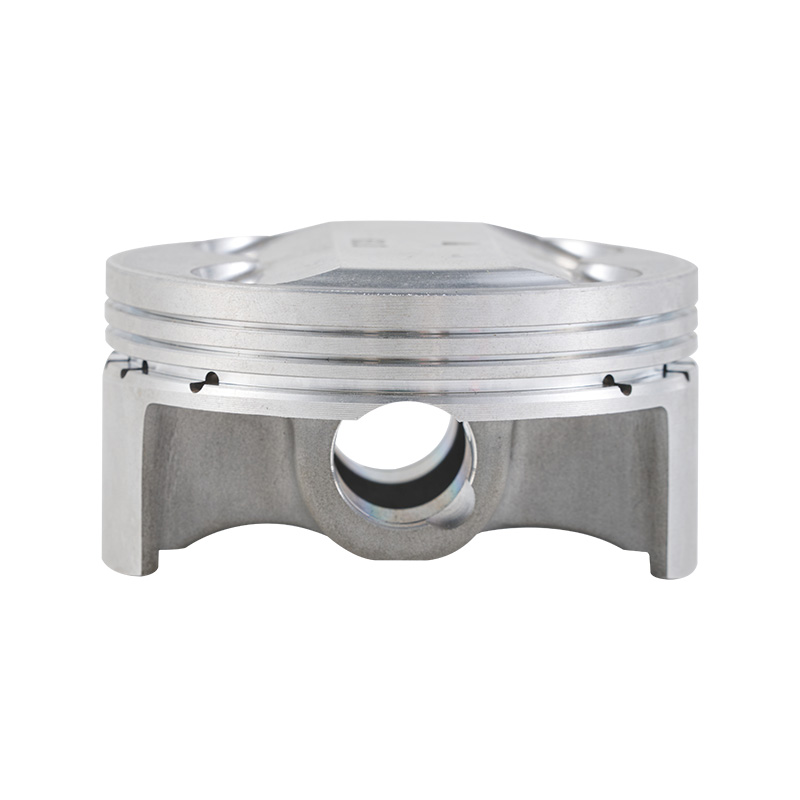
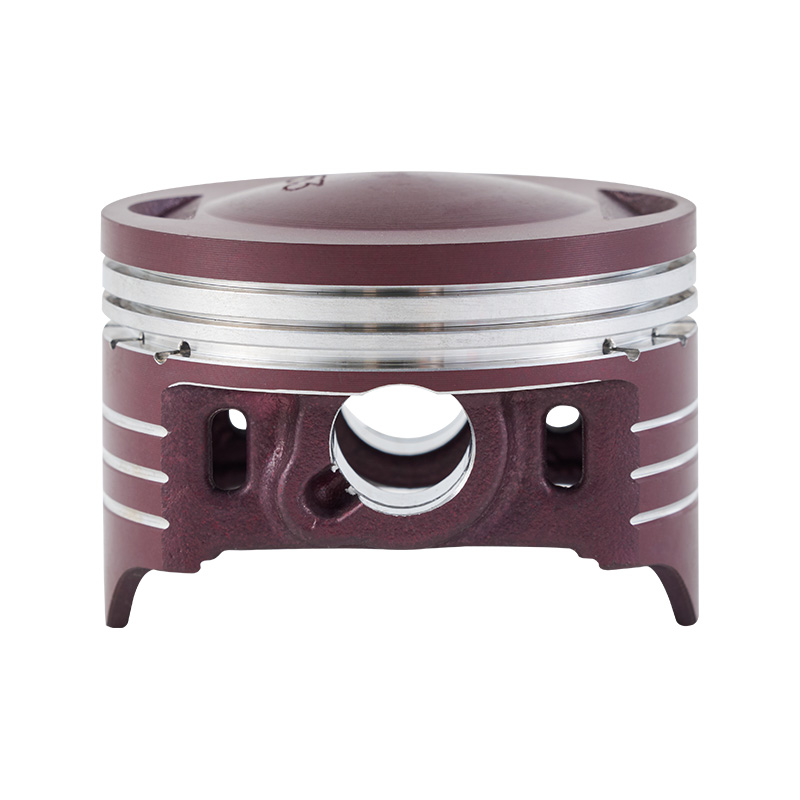
- Piston types: flat-top, domed, dished
- Ring grooves: 2 compression + 1 oil
- Pin type: pressed or full-floating
- Coatings: anti-friction, thermal barrier
Performance and Racing Markets Drive Demand
Turbocharged and supercharged engines need stronger pistons
Forced induction increases cylinder pressure. Forged piston modification parts handle the added stress. The piston stays intact.
High-compression engines need pistons that resist cracking
Higher compression means more pressure on the piston crown. Forged piston modification parts are used where stock pistons would crack.
Nitrous oxide applications need pistons that handle bad heat
Nitrous adds oxygen and heat. Forged piston modification parts are used in engines that run nitrous.
Racing engines need lightweight, strong pistons
Racing engines rev high. Forged piston modification parts are lighter and stronger than cast pistons. The engine revs faster and makes more power.
Buyers Focus on Alloy, Ring Grooves, and Piston-to-Wall Clearance
Alloy must match the application
2618 for racing and high-heat applications. 4032 for street performance. Forged piston modification parts manufacturers recommend the right alloy.
Ring grooves must be cut to the correct dimensions
The rings must seal. Forged piston modification parts manufacturers machine the ring grooves to the exact width and depth.
Piston-to-wall clearance must be correct
Forged pistons expand more than cast pistons. Forged piston modification parts manufacturers specify the correct clearance.
Coatings must be applied evenly
Coatings reduce friction and protect the piston. Forged piston modification parts manufacturers apply coatings evenly and to the correct thickness.
Quality control catches defects
The piston must be right. Forged piston modification parts manufacturers inspect every piston for dimensional accuracy and material integrity.
Forged Pistons Support High-Performance Engine Builds
The pistons handle more power
Forged pistons are stronger than cast. Forged piston modification parts manufacturers produce pistons that survive high boost and high compression.
The pistons last longer
Forged pistons resist fatigue and cracking. Forged piston modification parts manufacturers supply pistons that last through many race seasons.
The pistons are available in different compression ratios
Domed, flat-top, and dished. Forged piston modification parts manufacturers offer pistons for different compression ratios.
Forged piston modification parts are used by performance builders, racing teams, and aftermarket distributors. Buyers prioritize alloy selection, ring groove accuracy, and piston-to-wall clearance. Forged piston modification parts manufacturers continue to offer different alloys, piston shapes, and coatings to meet the needs of different engine builds.
Related products

Ruian Zhengji Motorcycle Parts Co., Ltd. is a specialist piston manufacturer focused on global exports, as well as a provider of professional engine solutions. The company exports over 10 million pistons annually, offering OEM/ODM contract manufacturing and private-label services, with products covering three major sectors: automotive, motorcycles and outboard motors.
WeChat

© Ruian Zhengji Motorcycle Parts Co., Ltd.
OEM Motorcycle Parts Manufacturer
