

 Français
 中文简体
中文简体 Español
Cast Piston Modification Parts: The Piston That Gets Machined After the Casting
Author: Zhengji
Date: Oct 09, 2026
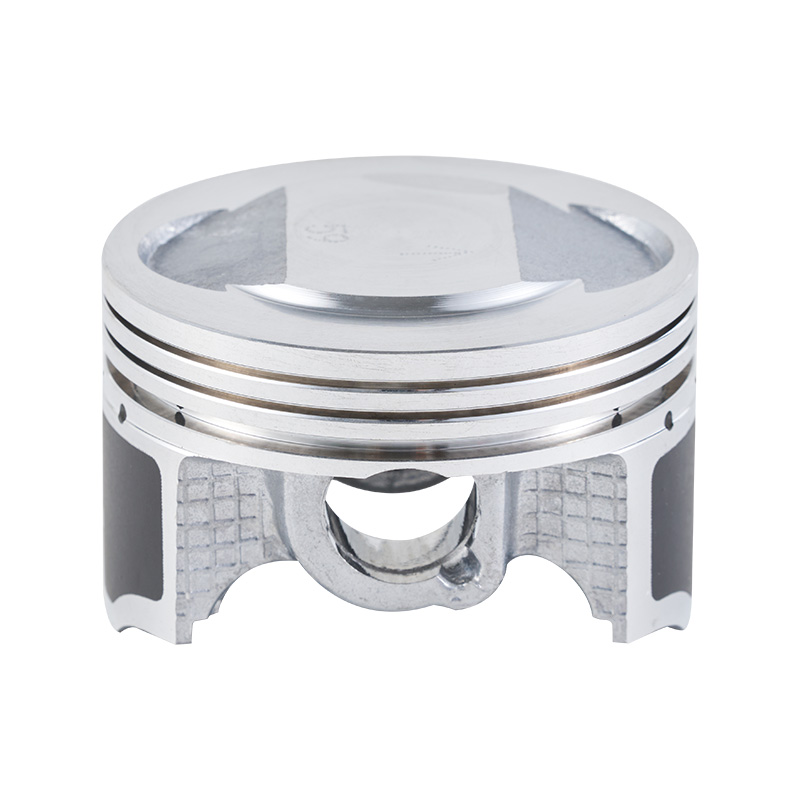
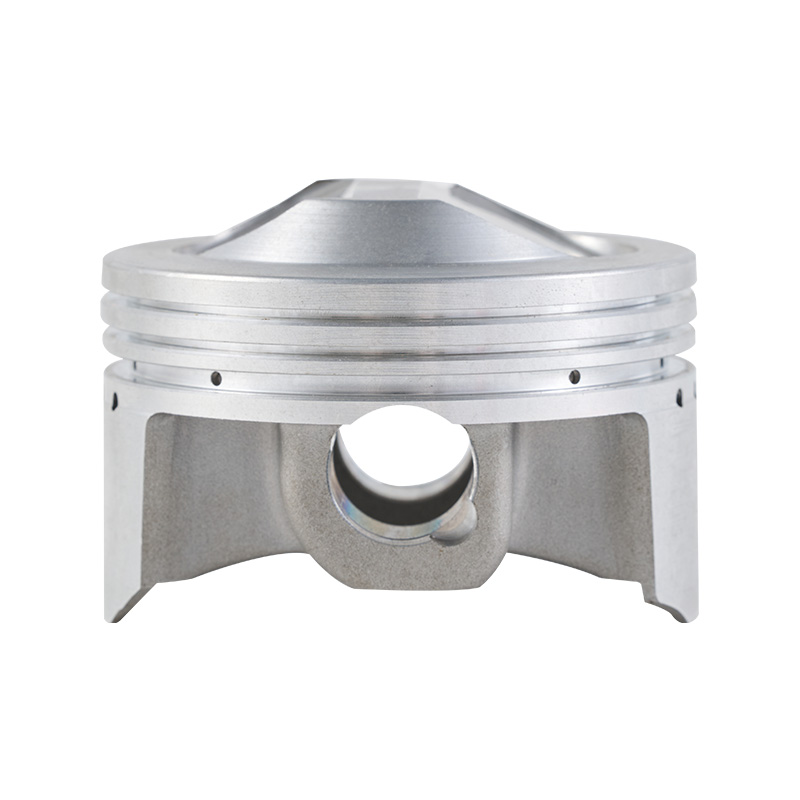
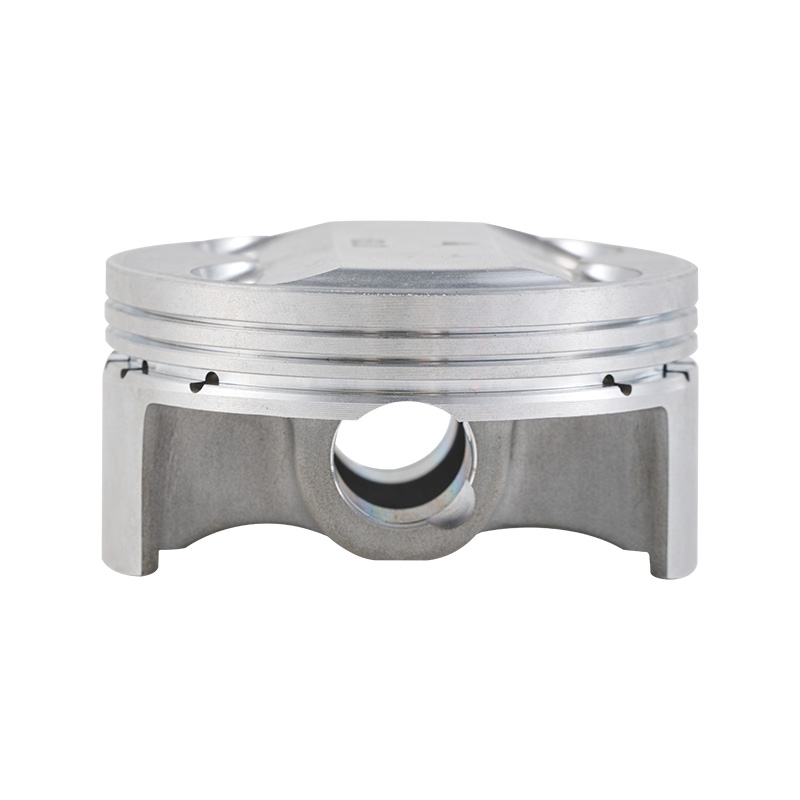
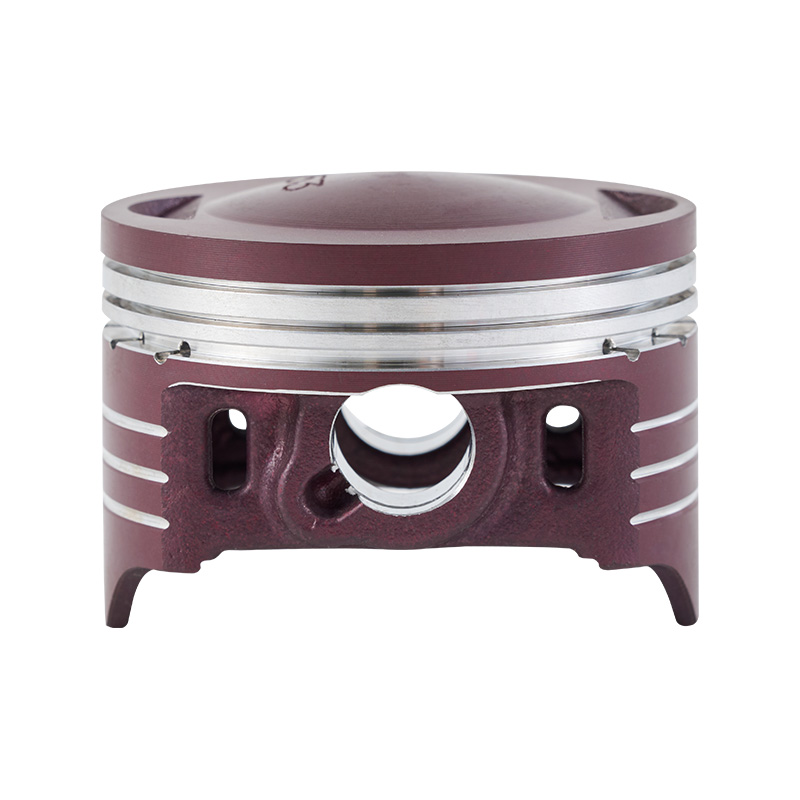
A cast piston comes out of the mold close to the finished shape, but it is not finished. The ring grooves, the pin bore, the skirt profile, and the valve reliefs all have to be cut afterward. Cast piston modification parts are the pistons that go through that secondary machining, and the shops that do the work turn a raw casting into an engine component. For engine builders, performance shops, and rebuilders, the modification step is where the piston either fits the engine or does not.
Why Cast First, Machine Second
Casting is cheaper than forging or billet machining. The mold produces the basic shape, and the machining adds the precision. A cast piston modification shop starts with a casting that has enough stock in the right places. The stock has to cover the machining allowance without adding unnecessary weight.
The casting alloy matters. Hypereutectic aluminum-silicon alloys resist wear and hold their shape at temperature. The silicon content makes the material abrasive, so the tooling has to be right. A cast piston modification shop that machines hypereutectic pistons uses the tooling and the feeds that handle the abrasion.
The Ring Grooves and the Pin Bore
The ring grooves are the critical dimensions. The groove width and depth set the ring fit. Too tight and the ring binds. Too loose and the ring leaks. A cast piston modification shop cuts the grooves to the tolerance the ring manufacturer specifies.
The pin bore is the other critical feature. The wrist pin has to fit the bore with the right clearance. The bore is honed to the finish that holds the oil film. A cast piston modification shop that hones the pin bore to the right roundness and finish produces the piston that does not gall.
The Skirt and the Valve Reliefs
The skirt is the part of the piston that contacts the cylinder wall. The profile has to be right for the cylinder and the thermal expansion. A cast piston modification shop machines the skirt to the specified profile and clearance.
The valve reliefs are the pockets in the piston crown that clear the valves. The depth and the position have to match the cam and the valve timing. A cast piston modification shop that cuts the reliefs to the print keeps the valves from hitting the piston.
Here is what a cast piston modification shop needs to deliver:
- Castings with the right alloy and the right stock
- Ring grooves cut to the ring manufacturer's tolerance
- Pin bore honed to the right clearance and finish
- Skirt machined to the profile and clearance
- Valve reliefs cut to the cam and timing
- Crown and deck machined to the compression ratio
Where the Modified Pistons Go
Engine rebuilders use the modified cast pistons for the stock rebuilds. The piston has to fit the cylinder and the rings. A cast piston modification shop that machines to the stock print serves the rebuilder.
Performance shops use the modified pistons for the mild builds. The cast piston handles the moderate power. The machining sets the compression and the clearance.
The vintage and obsolete engine market needs pistons that are no longer made. A cast piston modification shop that can work from a sample produces the one-off that gets the engine running again.
What Fails on a Cheap Modification
The ring groove is too wide and the ring leaks. A groove cut to the tolerance holds. The pin bore is out of round and the pin galls. A properly honed bore holds. The skirt clearance is wrong and the piston scuffs. The right profile and clearance prevent it. The valve relief is too shallow and the valve hits the piston. The right depth prevents the contact.
Related products

Ruian Zhengji Motorcycle Parts Co., Ltd. is a specialist piston manufacturer focused on global exports, as well as a provider of professional engine solutions. The company exports over 10 million pistons annually, offering OEM/ODM contract manufacturing and private-label services, with products covering three major sectors: automotive, motorcycles and outboard motors.
WeChat

© Ruian Zhengji Motorcycle Parts Co., Ltd.
OEM Motorcycle Parts Manufacturer
